Quick Facts
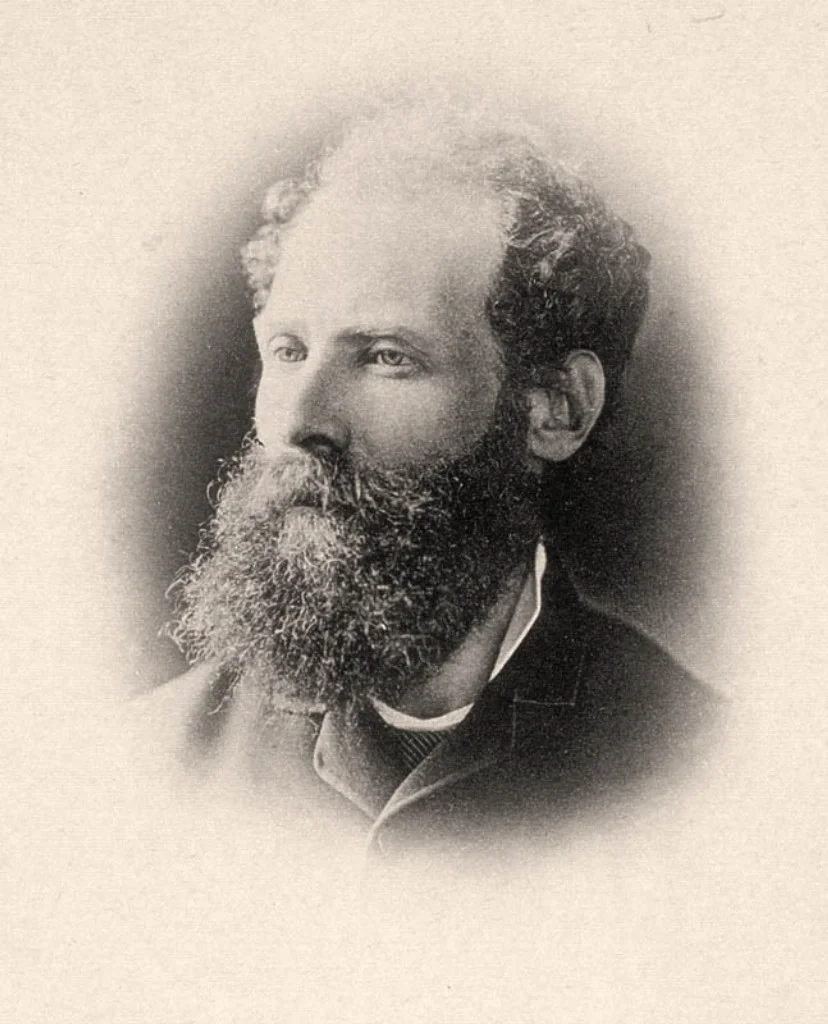
Poet of existential anguish. Leading voice of Portuguese Romanticism who questioned life's meaning.
Conversation Starters
Life Journey
Antero de Quental was born in Ponta Delgada, Azores, to a noble family. His father was a naval officer and his mother a writer.
At the age of 11, Antero de Quental begins his education at a Jesuit school in Lisbon, where he receives a rigorous classical education.
Quental enrolls at the University of Coimbra to study law, where he becomes deeply involved in literary and political circles.
Quental publishes his first collection of poems, 'Primaveras,' which marks the beginning of his literary career and his association with the Portuguese Romantic movement.
Quental, along with other young writers, founds the literary group 'Seara Nova,' which aims to promote new ideas and modernize Portuguese literature.
Quental publishes 'Odes Modernas,' a collection of poems that becomes a landmark in Portuguese literature, blending Romanticism with social and philosophical themes.
Quental starts to participate actively in political debates and movements, advocating for democratic reforms and the modernization of Portuguese society.
Quental travels to Paris, where he immerses himself in the cultural and intellectual life of the city, further enriching his literary and philosophical perspectives.
After his travels, Quental returns to Portugal and continues his literary and political activities, becoming a prominent figure in the cultural scene.
Quental publishes 'A Lira de Dores,' a collection of poems that reflects his deep philosophical and existential concerns, solidifying his reputation as a leading poet.
Quental joins the Freemasons, aligning himself with a network of like-minded individuals committed to social and political reform.
Quental is elected to the Portuguese Parliament, where he advocates for progressive policies and educational reforms, reflecting his commitment to social change.
Disillusioned with the political process, Quental resigns from his seat in Parliament, turning his focus back to literature and philosophy.
Quental publishes 'A Lira dos Tempos,' a collection of poems that explores historical and philosophical themes, further cementing his legacy as a poet and thinker.
Quental's health begins to decline, affecting his productivity and leading to periods of depression and isolation.
Quental retires to his family home in the Azores, where he continues to write and reflect on his life and work, away from the political and literary scenes.
Antero de Quental dies in Ponta Delgada, Azores, leaving behind a legacy as one of Portugal's most influential poets and thinkers of the 19th century.