Datos rápidos
Arquitecto de San Pedro. Diseñó el corazón del Vaticano y definió la arquitectura del Alto Renacimiento.
Inicios de conversación
Trayectoria vital
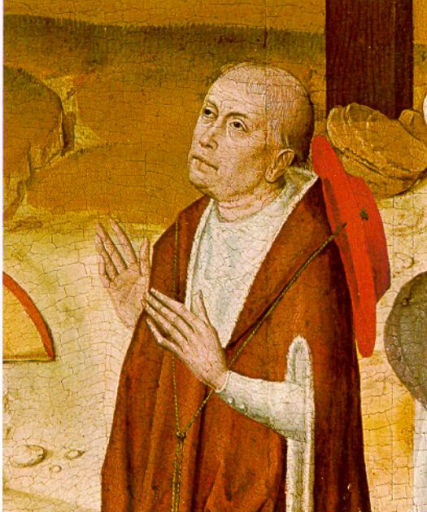
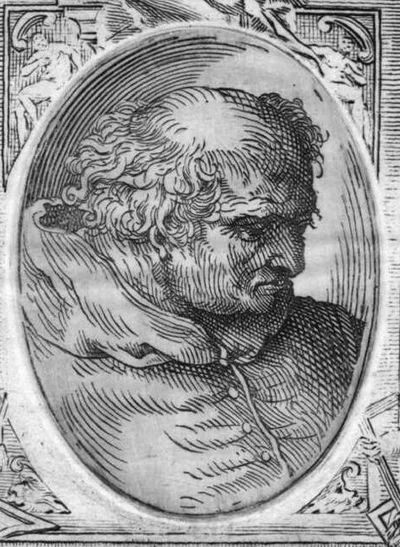
Donato di Angelo di Pascuccio, conocido como Bramante, nació en Fermignano cerca de Urbino. Se convertiría en el arquitecto principal del Alto Renacimiento y pionero del renacimiento clásico.
El joven Bramante comenzó su formación artística, probablemente estudiando pintura con Piero della Francesca y absorbiendo las innovaciones geométricas y de perspectiva de la escuela de Urbino.
Bramante se estableció en Urbino, trabajando en la corte de Federico da Montefeltro y estudiando la innovadora arquitectura del Palazzo Ducale y los diseños de Luciano Laurana.
Bramante completó frescos de perspectiva arquitectónica en el Palazzo Ducale, demostrando su dominio del espacio ilusionista que más tarde informaría su práctica arquitectónica.
Bramante se trasladó a Milán, entrando al servicio de Ludovico Sforza. Esto comenzó su transformación de pintor a arquitecto y su período pre-romano más productivo.
Bramante diseñó el claustro dórico de la Canónica en Sant'Ambrogio, una de sus primeras obras arquitectónicas importantes demostrando su estudio de las formas romanas antiguas.
Bramante creó su famoso ábside ilusionista en Santa Maria presso San Satiro, usando la perspectiva para crear la impresión de profundidad donde no existía - una obra maestra de truco arquitectónico.
Bramante fue nombrado arquitecto principal de Ludovico Sforza, Duque de Milán, dándole estatus oficial y encargos importantes incluyendo trabajo en la Catedral de Pavía.
Bramante diseñó la magnífica tribuna del extremo este de Santa Maria delle Grazie para Ludovico Sforza. La iglesia también albergaba La Última Cena de Leonardo da Vinci en su refectorio.
Cuando las fuerzas francesas invadieron Milán y capturaron a Ludovico Sforza, Bramante huyó de la ciudad. La caída de su mecenas terminó su carrera milanesa y lo forzó a buscar nuevas oportunidades.
Bramante llegó a Roma, comenzando la fase final y más influyente de su carrera. Se sumergió en el estudio de la arquitectura romana antigua y rápidamente ganó atención papal.
Bramante diseñó el Tempietto, un pequeño templo circular que marca el supuesto sitio de la crucifixión de San Pedro. Esta perfecta encarnación de los ideales del Alto Renacimiento se convirtió en el edificio más influyente de su era.
El Papa Julio II nombró a Bramante arquitecto de la nueva Basílica de San Pedro, el proyecto de construcción más ambicioso de la cristiandad. El diseño centralizado de cruz griega de Bramante fue revolucionario.
La construcción de la nueva San Pedro comenzó con el diseño de Bramante. Demolió gran parte de la antigua basílica constantiniana, ganándose el apodo de 'Ruinante' de los críticos.
Bramante diseñó el Cortile del Belvedere, un enorme patio aterrazado que conecta el Palacio Vaticano con la villa del Belvedere, revolucionando la integración del paisaje y la arquitectura.
Bramante murió en Roma, dejando San Pedro sin terminar. Rafael le sucedió como arquitecto principal. Su visión de una arquitectura clásica unificada influyó profundamente en Miguel Ángel y todos los arquitectos renacentistas posteriores.