Quick Facts
Amor de Perdição. Portugal's tortured Romantic genius who wrote passion, lived tragedy.
Conversation Starters
Life Journey
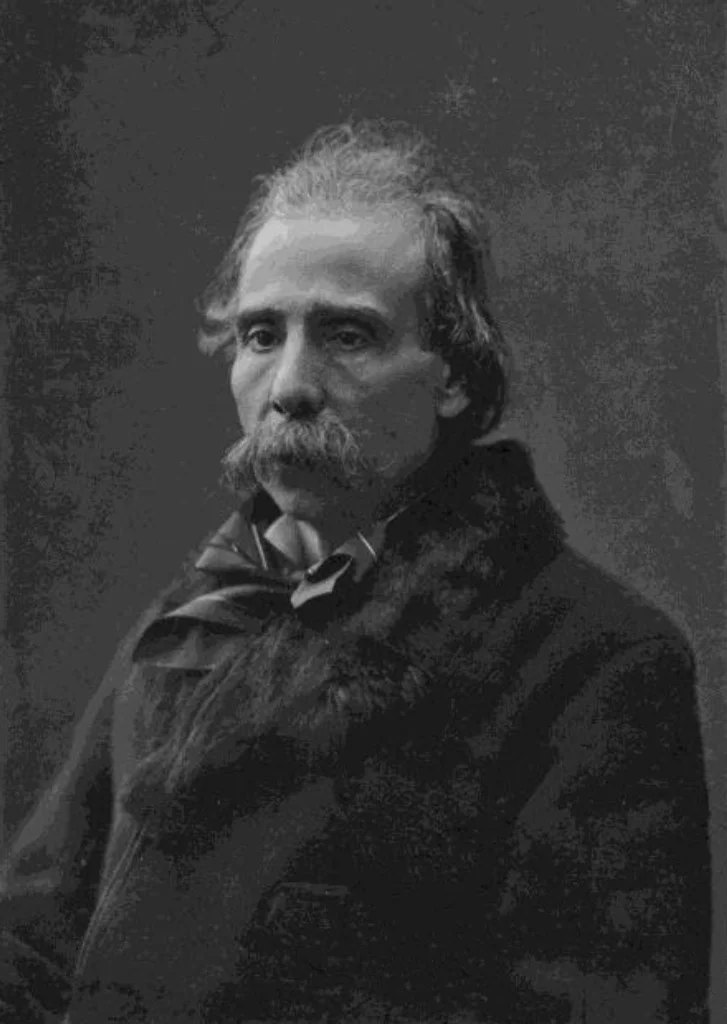
Camilo Ferreira Botelho Castelo Branco was born in Lisbon to an unmarried couple. He would become one of Portugal's most prolific and celebrated novelists of the 19th century.
Young Camilo lost his mother at age ten, leaving him to be raised by various relatives. This early trauma would deeply influence the themes of loss and longing in his later literary works.
Camilo began his formal education at a seminary, though he showed little inclination for religious life. His rebellious nature and literary interests soon became apparent.
Castelo Branco moved to Porto, the cultural center of northern Portugal, where he would begin to establish himself in literary and journalistic circles.
Camilo published his first literary work, a poem that marked the beginning of an extraordinarily prolific career spanning over forty years and hundreds of works.
Castelo Branco transitioned from poetry to prose fiction, beginning to write the novels that would establish his reputation as Portugal's master of romantic and realistic fiction.
Camilo published his masterpiece 'Amor de Perdicao' (Love of Perdition), a tragic love story based on his own family history that became one of the most celebrated novels in Portuguese literature.
Castelo Branco married Maria Amelia de Vilhena. However, the marriage was troubled, and Camilo's romantic attachments to other women would create scandal throughout his life.
Camilo expanded his literary activities to include journalism and literary criticism, becoming an influential voice in Portuguese cultural life and engaging in famous literary feuds.
Camilo published one of his most important satirical novels, 'Coracao, Cabeca e Estomago' (Heart, Head and Stomach), showcasing his wit and social criticism in a classic of Portuguese literature.
Castelo Branco published important novellas that consolidated his position as Portugal's most productive and popular novelist, writing with remarkable speed and commercial success.
Camilo turned to historical fiction, producing novels set in various periods of Portuguese history that combined his trademark romantic style with historical research.
Maria Amelia de Vilhena died, marking another personal tragedy in Camilo's life. He had long been living with Ana Placido, with whom he had children.
In recognition of his immense contributions to Portuguese letters, Camilo was elected to the Portuguese Academy of Sciences, cementing his status as a national literary treasure.
King Luis I elevated Camilo to the nobility with the title Viscount of Correia Botelho, the highest honor for his literary achievements despite his increasingly poor health and failing eyesight.
Suffering from syphilis-induced blindness and unable to write, Camilo took his own life at his home. He left behind over 260 works and is remembered as one of Portugal's greatest novelists.