彼の帝国に日は沈まなかった。ハプスブルク皇帝は世界の半分を統治し、ルターと戦った。
会話のきっかけ
人生の歩み
カールはヘントで端麗王フィリップとカスティーリャ女王フアナの長男として生まれた。広大なヨーロッパ帝国を相続し、史上最も強大な君主の一人となる運命にあった。
父の死後、若きカールはブルゴーニュ領ネーデルラントを相続した。ヨーロッパの主要な支配者としての役割が始まった。
祖父フェルナンド2世の死後、カールはカスティーリャとアラゴンの王冠を相続し、スペインを統一した。新大陸の広大な植民地も彼の支配下に入った。
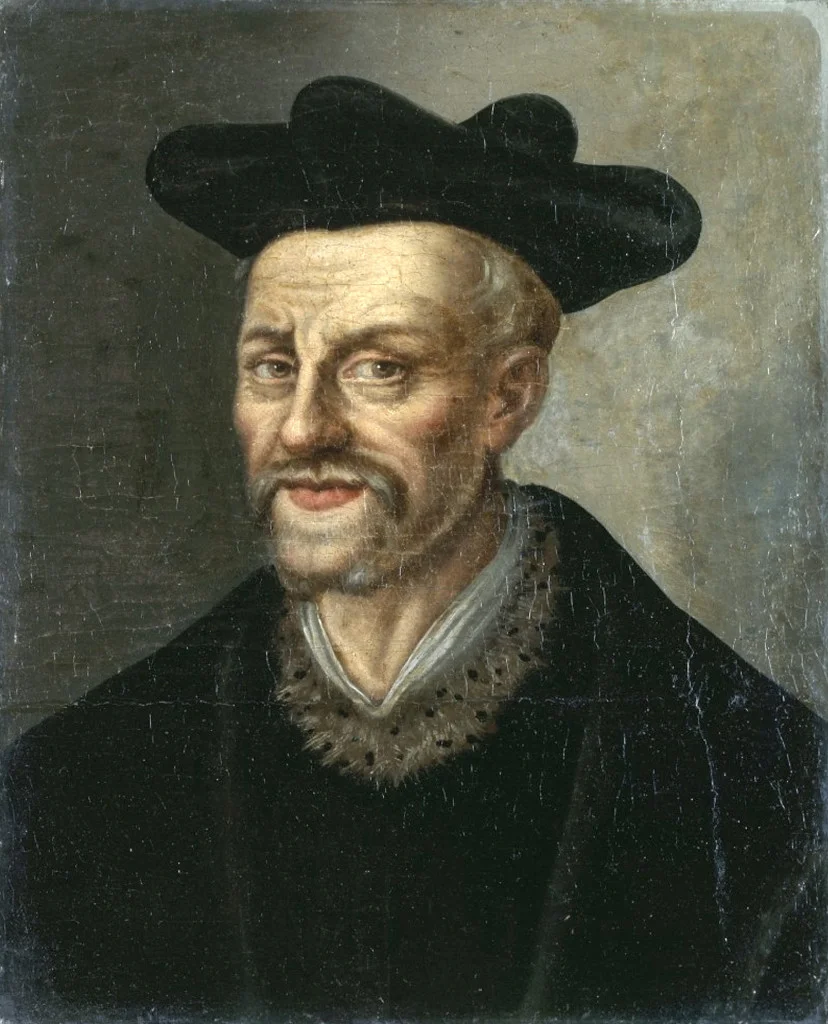
カールはフランス王フランソワ1世を含むライバル候補を破り、神聖ローマ皇帝に選出された。ヨーロッパで最も強大な支配者となり、「太陽の沈まぬ帝国」を統治した。
カールはアーヘンでローマ王として戴冠し、神聖ローマ皇帝としての治世を正式に開始した。彼は4つの言語を話し、多様な領土を統治する準備を整えた。
カールはヴォルムス帝国議会を主宰し、マルティン・ルターを法の保護の外に置いた。数十年にわたる宗教紛争の始まりであり、帝国分裂の種が蒔かれた。
カールの軍勢はパヴィアでフランスに決定的な勝利を収め、フランソワ1世国王自身を捕虜とした。これによりイタリアにおけるスペインの優位が確立された。
帝国軍がローマを略奪し、キリスト教世界に衝撃を与えた。カールは攻撃を命じていなかったが、この事件は事実上イタリア・ルネサンスの終焉を告げた。
カールはポルトガル王女イザベラと王朝同盟として結婚した。この結婚から後継者となるフェリペ2世が生まれた。カールはイザベラを深く愛し、彼女の死後再婚しなかった。
カールは自らオスマン同盟のバルバロッサに対する十字軍を率い、チュニスを占領し数千人のキリスト教徒奴隷を解放した。彼の生涯で最も輝かしい軍事的勝利だった。
カールの野心的なアルジェ遠征は、嵐が艦隊の大部分を破壊し惨敗に終わった。この挫折は地中海でのオスマン帝国との闘いの限界を示した。
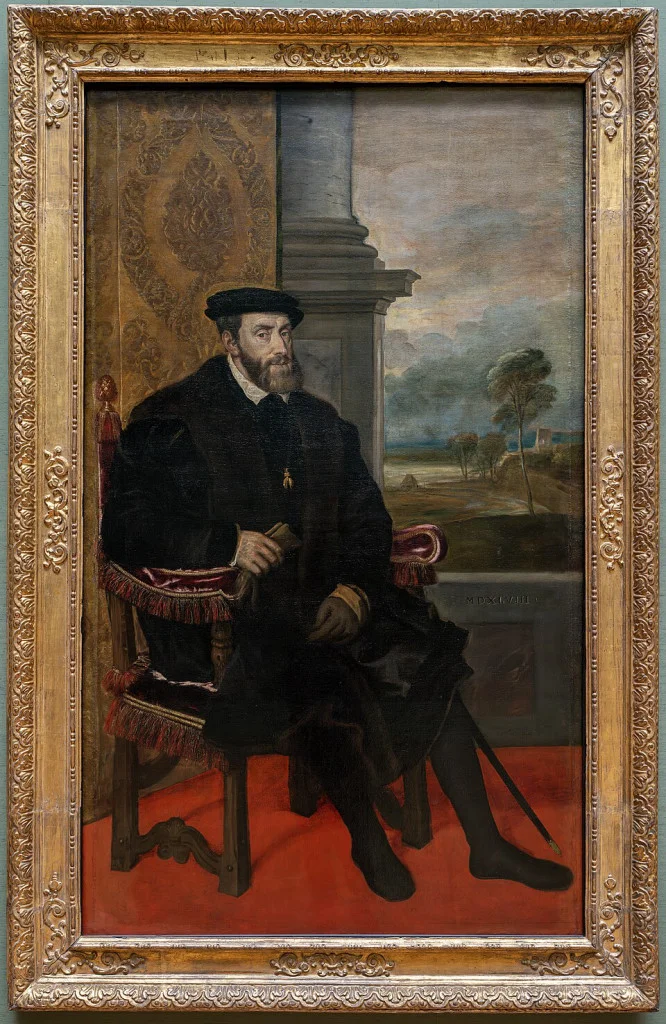
カールはプロテスタントのシュマルカルデン同盟に対して決定的な勝利を収め、一時的に帝国におけるカトリックの権威を回復した。ティツィアーノの有名な肖像画がこの勝利を記念している。
プロテスタント諸侯の反乱に直面し、カールは和平への道を模索せざるを得なかった。宗教的統一の夢は潰えつつあり、彼の疲弊は深まっていた。
数十年の戦争に疲弊したカールは、スペインとブルゴーニュの王位を息子フェリペ2世に譲位した。涙を流しながら臣下に別れを告げる感動的な式典が行われた。
カールは神聖ローマ皇帝位を弟フェルディナント1世に譲り、修道院に隠棲した。史上初めて自ら退位した皇帝となり、権力の頂点で世俗を捨てた。
カール5世はスペインのユステ修道院で死去した。「太陽の沈まぬ帝国」を統治した支配者の生涯が終わった。彼は敬虔な祈りと機械時計への興味の中で最後の日々を過ごした。