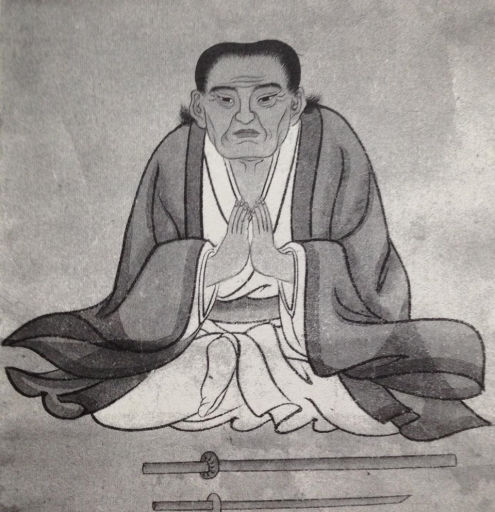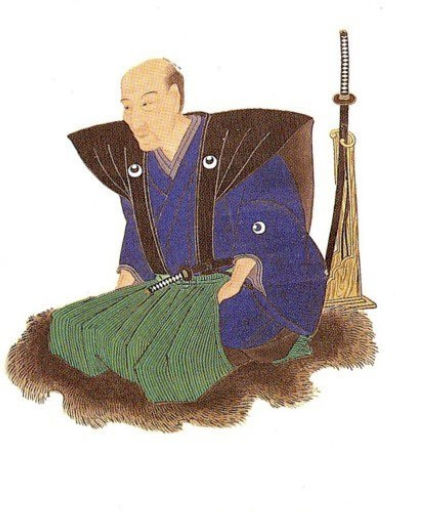
A revolutionary Edo-period swordmaster who systematized fencing practice and shaped modern kendo through rigorous instruction.
会話のきっかけ
人生の歩み
Born into a rural samurai-family milieu in Shimosa Province, he grew up under the Tokugawa shogunate’s stable yet competitive martial culture. Local domain life emphasized discipline, literacy, and the prestige of sword training even in peacetime.
As a boy he entered structured sword study, learning posture, footwork, and the strict manners expected in a dojo. The era’s emphasis on kata, lineage, and reputation pushed ambitious students to seek skilled teachers beyond their home region.
In his teens he pursued harder sparring and began visiting other schools to measure technique and composure. Such journeys exposed him to varied timing and distancing, sharpening his ability to teach practical application rather than only formal patterns.
He sought instruction in Itto-ryu-derived methods that emphasized decisive attacks and clear lines of engagement. Contact with respected instructors and senior students provided a technical foundation he later reorganized into a coherent, teachable system.
He gained notice by participating in competitive dojo encounters where composure under pressure mattered as much as form. Success in these bouts raised his standing and attracted students who wanted training that worked in lively, unpredictable exchanges.
He organized drills to emphasize maai (distance) and hyoshi (rhythm), aiming to make skill repeatable across many students. This teaching style fit Edo’s bustling martial scene, where large dojos needed reliable methods for rapid improvement.
He formalized his approach as Hokushin Itto-ryu, presenting it as a clear lineage with standardized training and recognizable principles. By balancing kata with vigorous practice, he made the school attractive to both samurai retainers and ambitious commoners.
He established a dojo in Edo that functioned as a hub for fencing education and reputation-building. The school’s disciplined routines, rankings, and demanding practice created a pipeline of skilled practitioners who carried the style across the country.
As enrollment expanded, he relied on trusted senior students to maintain standards and transmit principles faithfully. This early “instructor corps” helped Hokushin Itto-ryu spread beyond Edo, embedding it into the wider dojo economy of the late Edo period.
He encouraged training that developed courage and accuracy under pressure, not only elegant kata performance. Edo’s martial circles increasingly valued realistic exchanges, and his emphasis on structured intensity helped normalize a more athletic, competitive dojo ethos.
His reputation drew interest from samurai officials and domain-affiliated students seeking effective instruction aligned with warrior ideals. Such patronage reinforced his dojo’s prestige and connected Hokushin Itto-ryu to the political networks that shaped Edo society.
To keep quality consistent across many pupils, he codified lesson sequences and expectations for advancement. This practical organization made the school easier to replicate, ensuring students in different places could share common basics and evaluative standards.
During years of hardship and social tension, maintaining a large dojo required careful leadership and stable routines. He kept training focused and morale high, reinforcing the idea that martial discipline could anchor identity even as society shifted.
He increasingly emphasized mentorship, preparing capable successors to run branches and teach independently. Their travels carried Hokushin Itto-ryu into many regions, setting up a transmission network that outlived him and influenced later fencing institutions.
In later teaching he stressed taking initiative and finishing exchanges cleanly, aligning technique with mental readiness. Students remembered his insistence on clarity over flourish, a mindset that matched Edo’s demand for results in public dojo encounters.
By mid-century his school was widely regarded as a premier path for ambitious swordsmen in the capital. Its prominence came from strong pedagogy, capable senior disciples, and an identity that blended tradition with vigorous, repeatable training.
With Commodore Matthew Perry’s arrival heightening security concerns, interest in martial preparedness surged in Edo. He continued instruction in a tense atmosphere, where sword training served both personal cultivation and a symbolic response to national uncertainty.
He died shortly before the political storms that would culminate in the Meiji Restoration transformed Japan’s warrior class. His students and successors preserved Hokushin Itto-ryu, ensuring his teaching methods continued shaping Japanese fencing culture.