Quick Facts
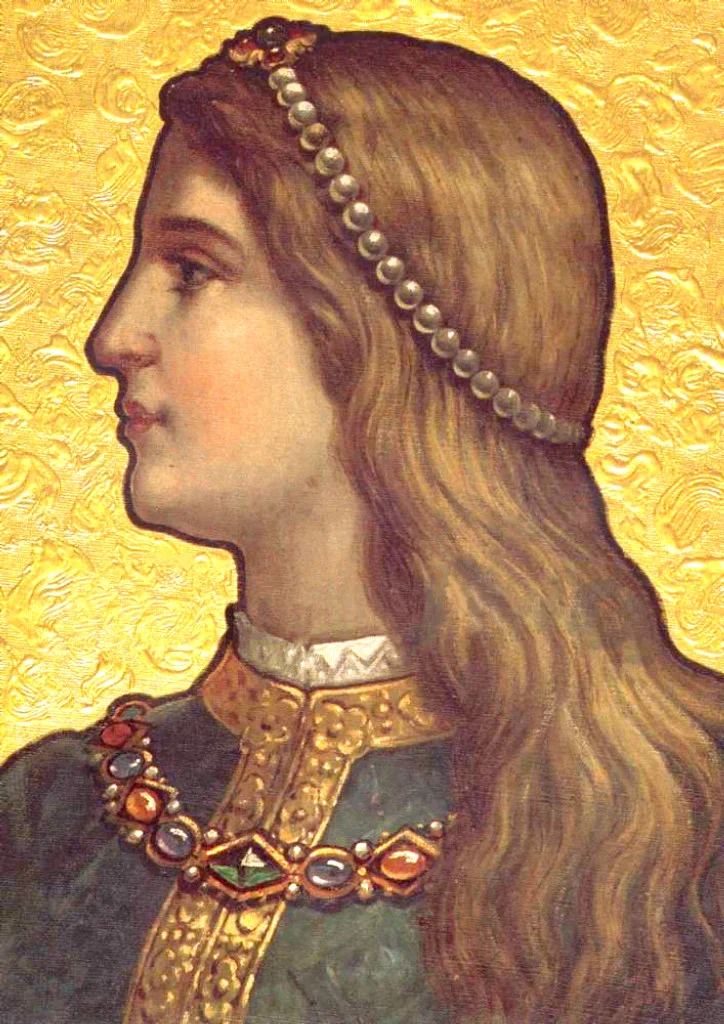
Roman noblewoman who proved her chastity by miraculously pulling the ship carrying Cybele's sacred stone when it ran aground.
Conversation Starters
Life Journey
Claudia Quinta was born into the distinguished Claudii family, one of Rome's most ancient and powerful patrician clans.
Received education befitting a Roman noblewoman, learning domestic arts, religious rites, and social graces.
Experienced the terror of Hannibal's campaigns as Rome suffered defeats at Trasimene and Cannae.
Conservative Romans criticized her fashionable dress and outspoken manner, questioning her virtue.
Despite gossip, maintained her position in Roman society through family connections and personal dignity.
The Sibylline Books were consulted and prophesied that bringing Cybele's sacred stone would save Rome from Hannibal.
A Roman delegation traveled to Pessinus to retrieve the sacred black stone of Cybele, the Magna Mater.
The ship carrying the sacred stone became stuck in the muddy Tiber, and no amount of effort could move it.
Claudia prayed to Cybele to prove her virtue, tied her sash to the ship, and pulled it free with apparent ease.
The miracle silenced all gossip and established Claudia as one of the most virtuous women of Rome.
Witnessed the dedication of the Temple of Magna Mater on the Palatine, celebrating the goddess who had vindicated her.
Saw Rome's ultimate victory over Carthage at Zama, validating the prophecy and the goddess's protection.
Became a respected figure in Roman religious life, often invoked as an example of proven virtue.
Her story became a standard tale of Roman virtue, retold by orators and poets for generations.
Died honored and respected, her legacy secure as a symbol of faith and virtue in Roman tradition.