En bref
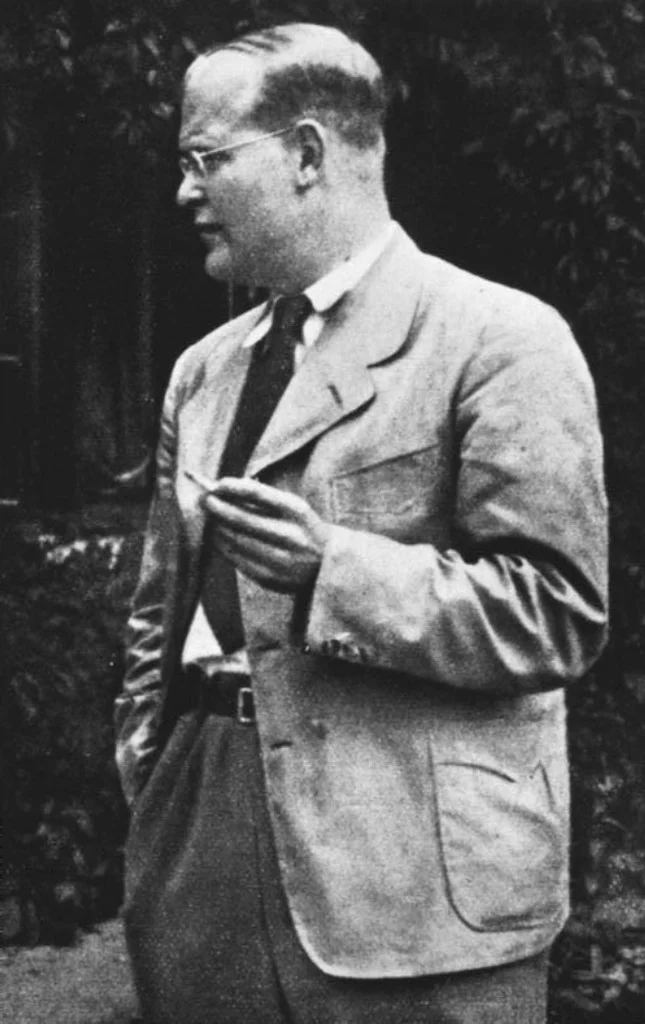
Theologien qui choisit le martyre plutot que le silence. Execute pour avoir complote contre Hitler.
Sujets de conversation
Parcours de vie
Dietrich Bonhoeffer est né à Breslau, Allemagne.
À 12 ans, Bonhoeffer décida de poursuivre une carrière en théologie.
Bonhoeffer s'inscrivit à l'Université de Tübingen pour étudier la théologie.
Bonhoeffer termina sa thèse de doctorat et obtint son doctorat en théologie.
Bonhoeffer servit comme pasteur assistant à l'Église protestante allemande de Barcelone.
Bonhoeffer voyagea aux États-Unis pour enseigner au Union Theological Seminary.
De retour en Allemagne, Bonhoeffer commença à donner des cours à l'Université de Berlin.
Bonhoeffer s'éleva contre les tentatives du régime nazi de contrôler l'Église évangélique allemande.
Bonhoeffer établit le séminaire clandestin de Finkenwalde.
La Gestapo ferma le séminaire de Finkenwalde.
Bonhoeffer retourna brièvement à Londres pour diriger une congrégation germanophone.
Bonhoeffer rejoignit l'Abwehr et s'impliqua dans des activités de résistance.
Bonhoeffer fut arrêté par la Gestapo et emprisonné à la prison de Tegel.
Après l'échec du complot du 20 juillet, Bonhoeffer fut transféré au camp de Flossenbürg.
Dietrich Bonhoeffer fut exécuté par pendaison au camp de Flossenbürg.