Quick Facts
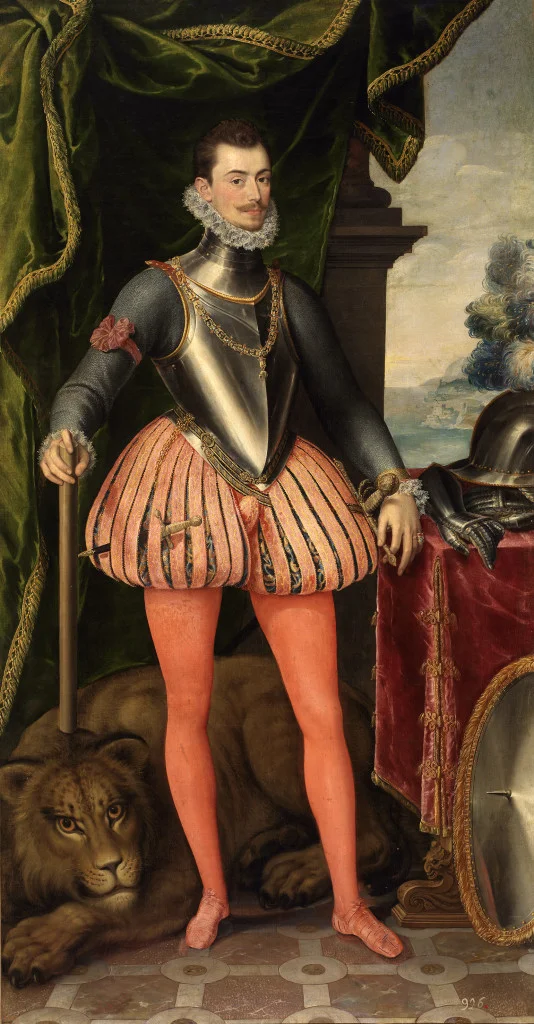
Hero of Lepanto. Bastard prince who crushed the Ottoman fleet and saved Christendom.
Conversation Starters
Life Journey
Born as the illegitimate son of Emperor Charles V and Barbara Blomberg. His existence was kept secret, and he was raised by a Spanish family unaware of his royal lineage.
When Charles V abdicated, he revealed Don Juan's existence to Philip II and entrusted his half-brother's care to the new king of Spain.
Philip II publicly acknowledged Don Juan as their father's son, granting him the title of Don and welcoming him into the royal household.
Don Juan studied at the University of Alcalá alongside his nephew Don Carlos. He received an education befitting a prince, including military training.
Appointed commander of Spanish forces suppressing the Morisco rebellion in Granada. His military successes established his reputation as a capable leader.
Pope Pius V appointed Don Juan supreme commander of the Holy League fleet against the Ottoman Empire, the greatest honor of his young career.
Don Juan assembled the largest Christian fleet in history at Messina, bringing together Spanish, Venetian, and Papal forces for the decisive campaign.
Led the Holy League to victory at Lepanto, destroying the Ottoman fleet. The greatest naval battle of the 16th century ended Ottoman dominance in the Mediterranean.
Celebrated as the savior of Christianity, Don Juan became the most famous man in Europe. Pope Pius V compared him to an angel sent from heaven.
Despite his fame, Philip II blocked Don Juan's ambitions for a kingdom. The king feared his half-brother's popularity and potential rivalry.
Led the successful capture of Tunis from the Ottomans, briefly establishing Spanish control over this strategic North African city.
Appointed Governor-General of the rebellious Netherlands, inheriting the conflict left by the Duke of Alba's harsh rule.
Negotiated the Perpetual Edict with Dutch rebels, achieving a temporary peace. However, Protestant resistance soon resumed.
Won a major victory over Dutch rebel forces at Gembloux, briefly restoring Spanish military prestige in the Netherlands.
Despite military successes, Don Juan grew frustrated by inadequate support from Philip II. He fell seriously ill with typhoid fever.
Died at age 31, possibly poisoned though officially from typhoid. The hero of Lepanto's promising career ended tragically young.
His body was returned to Spain and buried at El Escorial alongside the Spanish royal family, a final recognition of his royal status.
Don Juan became a romantic literary figure. Poets and dramatists immortalized him as the ideal Christian knight and tragic prince.
Remembered as the hero of Lepanto, Don Juan represents the Christian victory over Ottoman expansion. His life remains a symbol of Renaissance heroism.