Kurzinfo
Stupor Mundi: Kaiser, Dichter, Alptraum des Papstes.
Gesprächseinstiege
Lebensweg
Friedrich II. wurde am 26. Dezember 1194 als Sohn von Kaiser Heinrich VI. und Konstanze von Sizilien geboren. Seine Geburt auf einem öffentlichen Platz wurde von vielen bezeugt, um Gerüchte über Illegitimität zu zerstreuen.
Nach dem Tod seines Vaters Heinrich VI. 1197 und seiner Mutter Konstanze 1198 wurde Friedrich mit 3 Jahren Waise. Er wurde als Kind zum König von Sizilien gekrönt, wobei Papst Innozenz III. als sein Vormund diente.
Mit 14 Jahren wurde Friedrich für volljährig erklärt und begann, Sizilien selbständig zu regieren. Er wuchs am multikulturellen Hof von Palermo auf und lernte Arabisch, Griechisch und Latein.
Friedrich heiratete Konstanze von Aragón, eine zehn Jahre ältere Witwe. Die Ehe brachte eine politische Allianz mit Aragón und seinen Erben Heinrich VII. sowie eine beträchtliche Mitgift und militärische Unterstützung.
Mit päpstlicher Unterstützung überquerte Friedrich die Alpen und wurde in Frankfurt zum deutschen König gewählt. Dies begann seinen langen Kampf, das Heilige Römische Reich unter seiner Herrschaft zu vereinen.
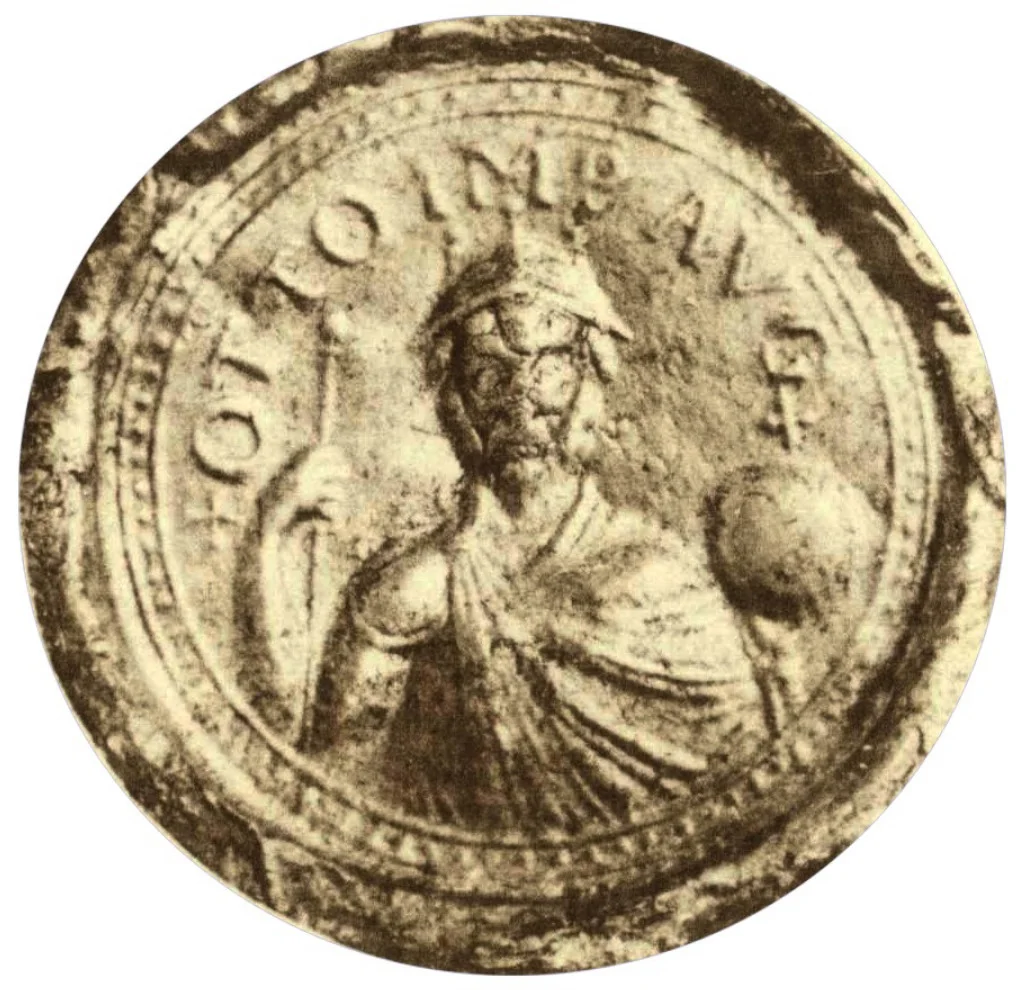
Der französische Sieg bei Bouvines zerstörte die Macht seines Rivalen Otto IV. Friedrich konsolidierte die Kontrolle über Deutschland, ohne selbst eine große Schlacht schlagen zu müssen.
Friedrich wurde in der Kapelle Karls des Großen in Aachen zum deutschen König gekrönt. Er nahm das Kreuz und gelobte, einen Kreuzzug ins Heilige Land zu führen.
Papst Honorius III. krönte Friedrich in der Petersbasilika zum Römischen Kaiser. Dies machte ihn zum mächtigsten Herrscher des christlichen Europa mit Territorien von Deutschland bis Sizilien.
Friedrich gründete die Universität Neapel, die erste staatliche Universität Europas, die nicht von der Kirche gegründet wurde. Sie sollte Beamte und Juristen für seine zentralisierte Bürokratie ausbilden.
Friedrich wurde wegen Verzögerung seines versprochenen Kreuzzugs aufgrund von Krankheit exkommuniziert. Dies begann Jahrzehnte erbitterter Konflikte zwischen Kaiser und Papsttum.
Obwohl exkommuniziert, startete Friedrich seinen Kreuzzug. Durch Diplomatie statt Kriegsführung verhandelte er mit Sultan al-Kamil und erreichte, was militärische Gewalt nicht geschafft hatte: die friedliche Rückgewinnung Jerusalems.
Friedrich krönte sich selbst in der Grabeskirche zum König von Jerusalem, da kein Priester einen Exkommunizierten krönen würde. Sein Vertrag gab Christen für zehn Jahre die Kontrolle über Jerusalem, Bethlehem und Nazareth.
Friedrich erließ die Konstitutionen von Melfi, ein revolutionäres Gesetzbuch, das einen zentralisierten bürokratischen Staat in Sizilien etablierte. Es schuf das fortschrittlichste Regierungssystem im mittelalterlichen Europa.
Nach dem Tod seiner zweiten Frau heiratete Friedrich Isabella, die Schwester von Heinrich III. von England. Die Ehe stärkte die Beziehungen zu England und brachte mehrere Kinder hervor.
Friedrich errang einen entscheidenden Sieg über den Lombardenbund bei Cortenuova. Er erbeutete den Carroccio Mailands und sandte ihn als Trophäe nach Rom.
Papst Gregor IX. exkommunizierte Friedrich ein zweites Mal und eskalierte ihren Konflikt zum totalen Krieg. Der Papst berief ein Konzil ein, um den Kaiser abzusetzen.
Das Konzil von Lyon setzte Friedrich formal als Kaiser ab. Jedoch weigerte sich Friedrich, die Entscheidung zu akzeptieren und herrschte weiter, während er gegen päpstliche Truppen kämpfte.
Friedrich erlitt eine schwere Niederlage, als Parmas Bürger sein Belagerungslager Vittoria zerstörten. Er verlor seinen Schatz, seinen Harem und viele Gefangene.
Friedrich II. starb am 13. Dezember 1250, möglicherweise an Ruhr. Als 'Stupor Mundi' (Staunen der Welt) für seinen Intellekt bekannt, hinterließ er ein komplexes Erbe als einer der bemerkenswertesten Herrscher des mittelalterlichen Europa.