Quick Facts
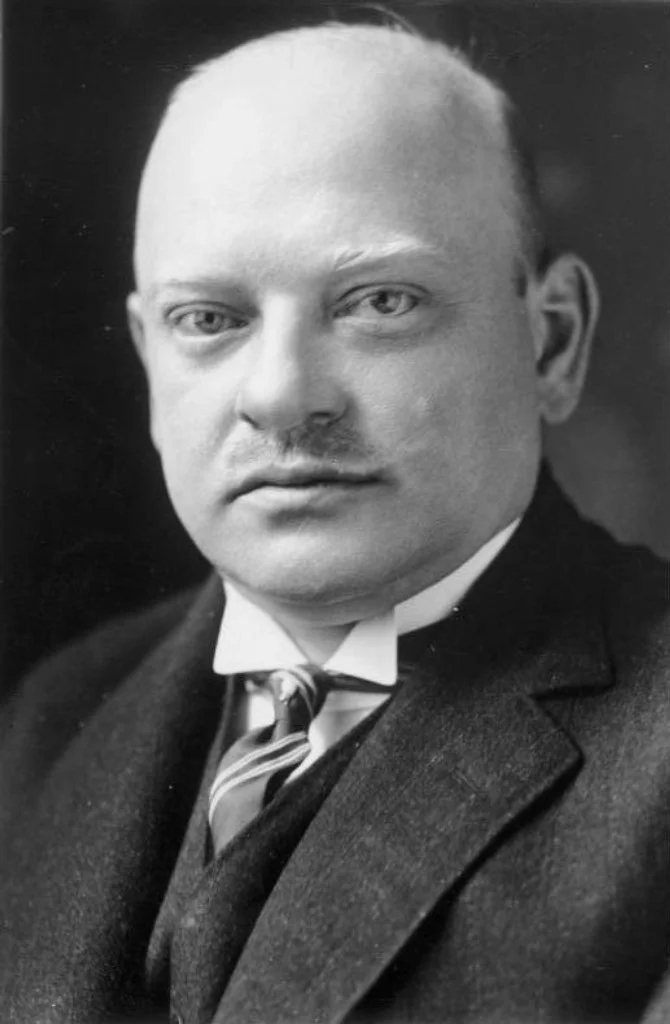
Weimar's great hope. Nobel laureate who stabilized Germany and sought European peace.
Conversation Starters
Life Journey
Gustav Stresemann was born to a middle-class family in Berlin, German Empire. His father was a beer bottler and innkeeper.
Stresemann begins his studies at the University of Berlin, focusing on history, literature, and economics. He joins the National Liberal Party and becomes active in student politics.
Stresemann completes his doctorate in economics. His dissertation examines the sugar industry and its role in the German economy, reflecting his interest in economic policy.
Stresemann marries KΓ€te Kleefeld, a wealthy heiress. Their marriage is both a personal and financial partnership, supporting his political career.
Stresemann is elected to the Berlin City Council as a member of the National Liberal Party, marking the beginning of his political career.
Stresemann is elected to the Reichstag (German Parliament) as a representative of the National Liberal Party, representing the Dresden constituency.
Stresemann, initially a supporter of the war, advocates for a swift victory and the preservation of Germany's interests in the conflict.
Following Germany's defeat, Stresemann endorses the November Revolution and supports the establishment of a democratic government, aligning with the new Weimar Republic.
Stresemann founds the German People's Party (DVP), a center-right party that supports the Weimar Republic and advocates for economic and political reform.
Stresemann briefly serves as Chancellor of Germany from August to November 1923, during a period of hyperinflation and political crisis.
Following his resignation as Chancellor, Stresemann is appointed as Foreign Minister, a position he holds until his death, focusing on stabilizing Germany's international relations.
Stresemann negotiates the Dawes Plan, which provides a framework for the repayment of Germany's war reparations and helps stabilize the economy.
Stresemann signs the Locarno Treaties, which guarantee the borders of Western Europe and marks a significant step towards international peace and cooperation.
Stresemann, along with French Foreign Minister Aristide Briand, receives the Nobel Peace Prize for their efforts in promoting international cooperation and peace.
Under Stresemann's leadership, Germany is admitted to the League of Nations, a significant milestone in Germany's reintegration into the international community.
Gustav Stresemann dies of a stroke in Berlin, leaving behind a legacy of statesmanship and efforts to stabilize post-World War I Germany.