Quick Facts
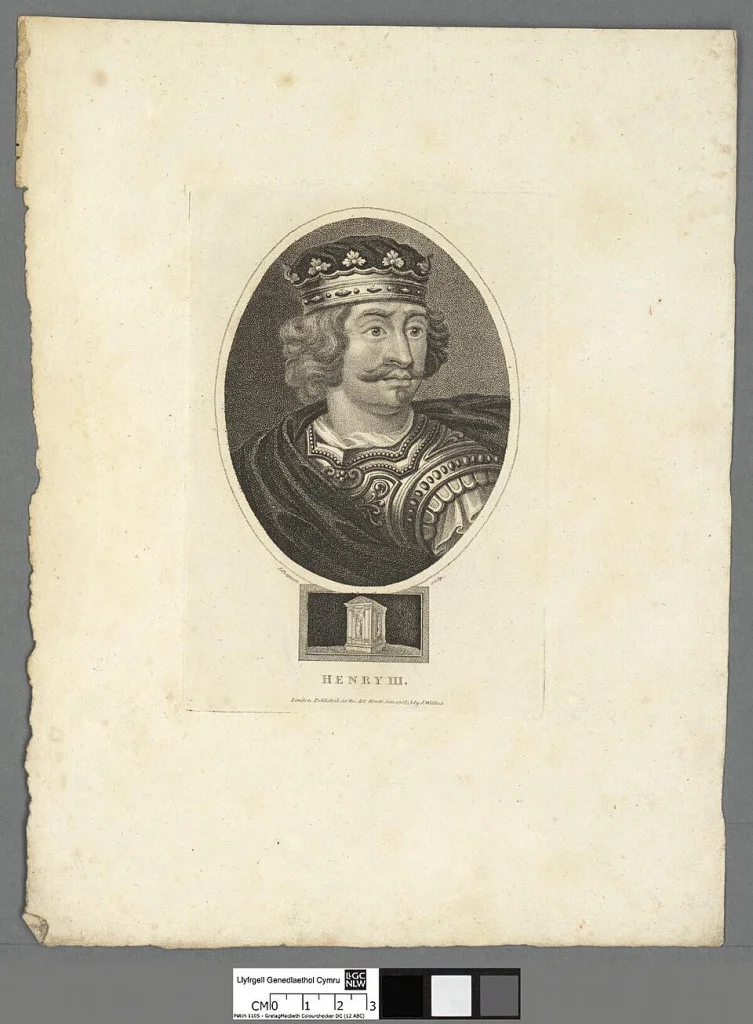
Henry III: England's longest reigning monarch before Edward III, realm stabilizer.
Conversation Starters
Life Journey
Henry was born to King John and Isabella of Angoulême. His birth secured the Plantagenet succession during a period of baronial unrest.
Young Henry began his education under the care of Peter des Roches. He learned Latin, military skills, and developed his lifelong interest in the arts.
Following King John's death during civil war, the nine-year-old Henry was hastily crowned. William Marshal became regent to protect the young king.
Henry received a proper coronation at Westminster Abbey. This ceremony established the tradition of English coronations at Westminster.
Henry declared himself of age and took direct control of government. He dismissed Hubert de Burgh and began ruling in his own right.
Henry married Eleanor of Provence, beginning a devoted partnership. The influx of her Savoyard relatives caused resentment among English nobles.
Henry led an expedition to recover lost French territories. The campaign failed at Taillebourg and Saintes, damaging royal prestige.
Henry began rebuilding Westminster Abbey in Gothic style. This architectural masterpiece became his greatest artistic achievement.
Henry accepted the Pope's offer of Sicily for his son Edmund. The enormous costs demanded for this venture angered English barons.
Rebel barons forced Henry to accept constitutional reforms. A council of fifteen nobles would share power with the king.
Henry renounced claims to Normandy and other French territories. In return, Louis IX recognized English possession of Gascony.
Simon de Montfort led baronial forces against the king. England descended into civil war over the reform provisions.
Henry's forces were defeated by Simon de Montfort. The king became a prisoner while de Montfort ruled in his name.
Prince Edward crushed the baronial army and killed Simon de Montfort. Henry was restored to power after his captivity.
Henry issued terms for reconciliation with former rebels. This moderate settlement helped restore peace to the kingdom.
Henry died after 56 years on the throne, one of England's longest reigns. He was buried in his beloved Westminster Abbey near Edward the Confessor.