Kurzinfo
Aufbau Mauretaniens
Verfassen zahlreicher Gelehrtenwerke
Foerderung der Hellenisierung Nordafrikas
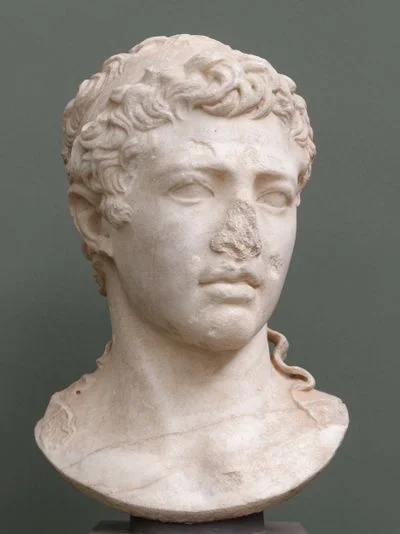
Gelehrtenkoenig Juba II.: Regierte, schrieb und praegte die nordafrikanische Kultur.
Gesprächseinstiege
Lebensweg
50 BCLiterarischer Einfluss
Bruecke zwischen afrikanischer und griechisch-roemischer Kultur.
48 BCAls koeniglicher Erbe geboren
Vater Juba I. verbuendet mit Pompeius gegen Caesar.
46 BCNiederlage und Tod des Vaters
Vater beging Selbstmord nach Niederlage.
46 BCNach Rom gebracht
Als Gefangener im Triumphzug Caesars.
40 BCRoemische Ausbildung
Fliessend in Griechisch und Latein.
29 BCRoemisches Buergerrecht erhalten
Einer der gebildetsten Maenner der roemischen Welt.
25 BCZum Koenig von Mauretanien gekroent
Augustus machte ihn zum Klientelkoenig.
25 BCHeirat mit Kleopatra Selene
Tochter von Kleopatra VII. und Marcus Antonius.
23 BCTod des Gelehrtenkoenigs
Fast 50 Jahre als Koenig regiert.
21 BCLetzte Jahre
Mauretanien bluehte unter seiner Herrschaft.
20 BCCaesarea gegruendet
Prachtvolle Stadt, die Alexandria rivalisierte.
17 BCGelehrtes Vermaechtnis
Von Plinius dem Aelteren zitiert.
15 BCSohn Ptolemaios geboren
Letzter Koenig von Mauretanien.
10 BCTod von Kleopatra Selene
Ehrte ihr Andenken.
6 BCExpedition zu den Kanarischen Inseln
Erweiterte geographisches Wissen.
5 BCBedeutende literarische Werke
Hoch angesehener Autor.
1 BCLibysche Geschichte veroeffentlicht
Umfassende Geschichte Afrikas.