Chat
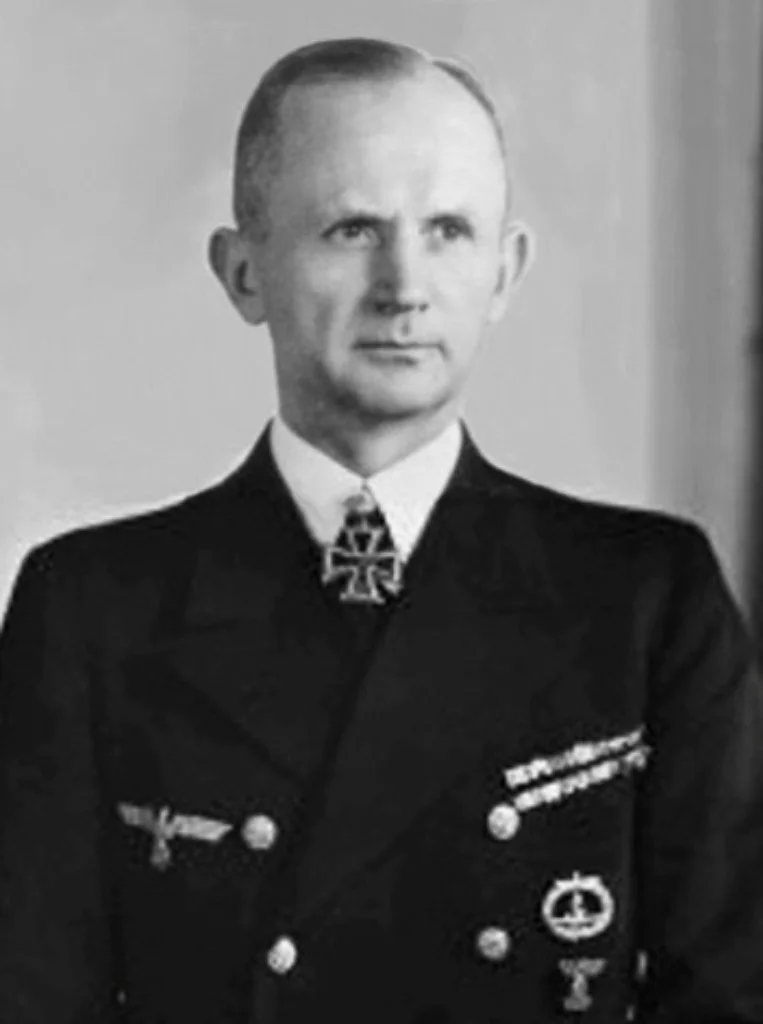
Karl Dönitz

Karl Dönitz

Naval Commander

Start Chat

AI Personality

Quick Facts

Leadership of the Kriegsmarine
Succession of Adolf Hitler
Nazi War Criminal

U-boat ace," Hitler's successor, Nazi war criminal: Dönitz ruled the waves.

Conversation Starters

Life Journey

1891Born in Grünau, Brandenburg

Karl Dönitz was born to Anna and Emil Dönitz in Grünau, a suburb of Berlin, in the German Empire.

1908Joins the Imperial German Navy

Karl Dönitz enlists in the Imperial German Navy as a naval cadet, beginning his naval career.

1913Becomes a Sub-Lieutenant

Dönitz is promoted to Sub-Lieutenant (Leutnant zur See) and begins serving on surface ships, including the light cruiser SMS Breslau.

1916Transfers to U-boat Service

Dönitz transfers to the U-boat service, where he will later become a prominent submarine commander.

1918Captured by British Forces

Dönitz is captured by British forces after his U-boat, UC-25, is sunk in the Strait of Otranto. He spends the next seven years as a prisoner of war.

1926Marries Ingeborg Schölly

Dönitz marries Ingeborg Schölly, a woman he met while serving in the Navy. They will have three children together.

1935Promoted to Captain

Dönitz is promoted to the rank of Captain (Kapitän zur See) and is given command of the 1st U-boat Flotilla, 'Weddigen'.

1939Becomes Commander of U-boats

Dönitz is appointed as the Commander of U-boats (Führer der Unterseeboote) at the start of World War II, overseeing the German submarine fleet.

1943Appointed Commander-in-Chief of the Navy

Dönitz is promoted to Grand Admiral and becomes the Commander-in-Chief of the German Navy (Kriegsmarine), succeeding Erich Raeder.

1945Succeeds Adolf Hitler as Führer

Following Hitler's suicide, Dönitz is named his successor as President of Germany and Supreme Commander of the Armed Forces.

1945Arrested by British Forces

Dönitz is arrested by British forces and is taken into custody, marking the end of his brief presidency.

1946Found Guilty at Nuremberg Trials

Dönitz is found guilty of war crimes at the Nuremberg Trials and is sentenced to 10 years in Spandau Prison.

1956Released from Prison

Dönitz is released from Spandau Prison after serving his 10-year sentence for war crimes.

1958Publishes Memoirs

Dönitz publishes his memoirs, 'Ten Years and Twenty Days', detailing his experiences during World War II.

1980Dies in Aumühle, West Germany

Karl Dönitz dies of a heart attack in Aumühle, West Germany, where he had lived in retirement since his release from prison.

Similar Figures