Quick Facts
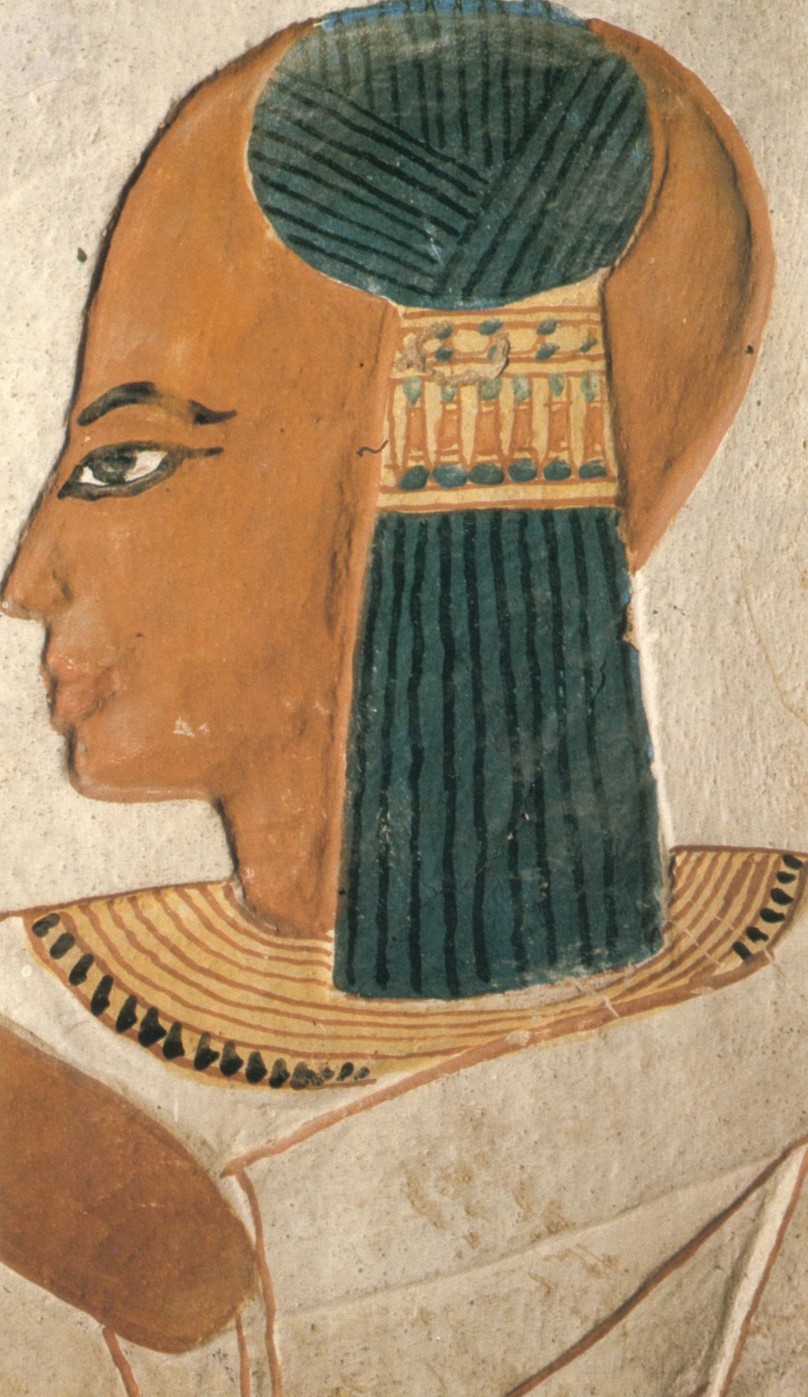
Prince of Restoration," Khaemwaset: Architect, priest, scholar, preserving Egypt's past.
Conversation Starters
Life Journey
Khaemwaset passes away, leaving a lasting legacy as a High Priest, scholar, and architect who significantly contributed to Egypt's cultural and architectural heritage.
Khaemwaset retires from active duties, dedicating his remaining years to writing and mentoring younger priests and scholars.
Khaemwaset founds a library in Memphis, housing texts on various subjects, which becomes a center for learning and scholarship.
Khaemwaset travels to Upper Egypt to inspect and restore temples and monuments, ensuring the continuity of religious practices.
Khaemwaset becomes a prominent advocate for the preservation of Egypt's cultural and historical heritage, influencing royal policies.
Khaemwaset completes the restoration of the Serapeum at Saqqara, a significant religious and cultural landmark.
Khaemwaset expands his scholarly works, authoring texts on history, religion, and architecture, contributing to Egypt's intellectual heritage.
Khaemwaset is appointed as the High Priest of Ptah, the highest religious office in Memphis, solidifying his influence and status.
Khaemwaset develops innovative architectural techniques, enhancing the construction and restoration of temples and monuments.
Khaemwaset marries and starts a family, continuing the royal lineage and strengthening his social and political ties.
Khaemwaset initiates a project to restore ancient monuments and temples, focusing on sites such as Saqqara and Giza.
Khaemwaset is appointed as the Second Priest of Ptah, a significant religious and administrative role.
Khaemwaset is initiated into the priesthood of Ptah at Memphis, beginning his religious and scholarly training.
Khaemwaset begins his early education, focusing on reading, writing, and religious studies, under the guidance of palace tutors.
Khaemwaset, the fourth son of Pharaoh Ramesses II, was born in the royal court of Egypt.