Quick Facts
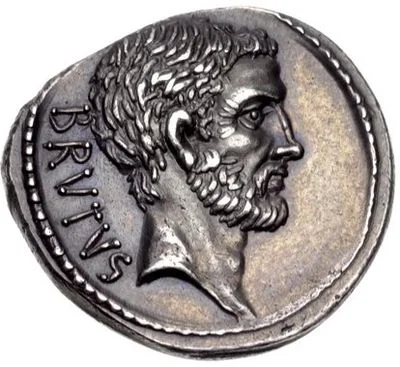
Et tu, Tarquin!" Brutus founded Republic, ending Rome's kings.
Conversation Starters
Life Journey
Lucius Junius Brutus is born into a patrician family in Rome, known for their political influence and wealth.
Brutus begins his education, learning rhetoric, law, and the traditions of Roman governance from prominent scholars and family tutors.
At the age of 15, Brutus is initiated into public life and begins to participate in the rituals and ceremonies of Roman society.
Brutus marries a noblewoman from a prominent family, strengthening his political alliances and expanding his influence in Roman society.
Brutus is appointed to a minor political office, marking the beginning of his career in the Roman government and gaining valuable experience.
Brutus serves in the Roman army, gaining military experience and leadership skills that will be crucial in his future endeavors.
Brutus becomes a prominent figure in the Senate, known for his oratory skills and staunch opposition to the abuses of the monarchy.
Brutus leads a successful rebellion against the last Roman king, Tarquin the Proud, marking the end of the Roman monarchy and the beginning of the Roman Republic.
Brutus and his allies establish the Roman Republic, creating a system of governance based on the Senate and elected officials, laying the foundations for Roman democracy.
Brutus is elected as one of the first consuls of the Roman Republic, a position of great power and responsibility, symbolizing the transition from monarchy to republic.
As consul, Brutus enacts several reforms to strengthen the Republic, including laws to protect citizens from the abuses of power and to ensure fair trials.
Brutus leads military campaigns to defend the new Republic against external threats, solidifying the stability and security of the Roman state.
Brutus is re-elected as consul, a testament to his leadership and the trust placed in him by the Roman people and the Senate.
Brutus faces a personal tragedy with the death of a close family member, testing his resilience and emotional strength during a critical period of the Republic's early years.
Brutus faces increasing political opposition from rival factions within the Senate, challenging his leadership and the stability of the new Republic.
In his final years as a public figure, Brutus continues to advocate for the principles of the Republic, mentoring younger leaders and ensuring the continuation of Roman democratic ideals.
Lucius Junius Brutus dies, remembered as a founding father of the Roman Republic and a symbol of political and moral integrity.