Kurzinfo
Borgias Netz: Heirat, Macht, Gift — Italiens beruehmteste adlige Frau der Renaissance.
Gesprächseinstiege
Lebensweg
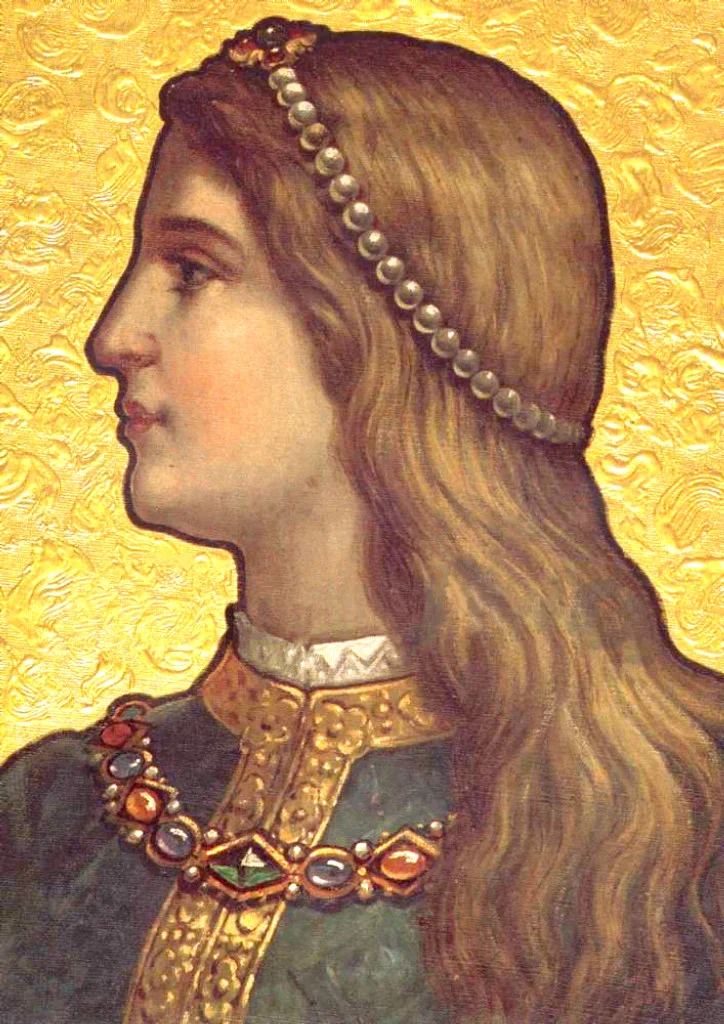
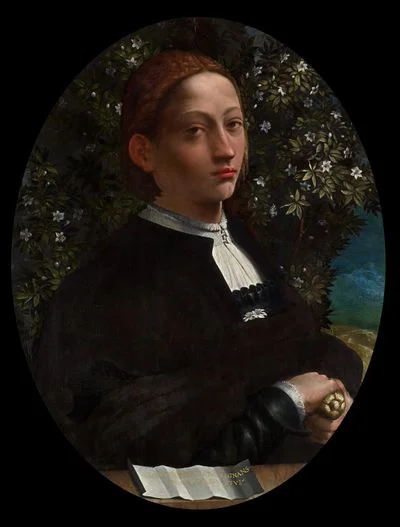
Lucrezia Borgia wurde als Tochter von Rodrigo Borgia (später Papst Alexander VI.) und Vannozza dei Cattanei in Subiaco, Kirchenstaat, geboren.
Im Alter von neun Jahren wurde Lucrezia mit Giovanni Sforza verlobt, ein politischer Schachzug ihres Vaters zur Stärkung der Verbindungen zur mächtigen Familie Sforza.
Lucrezias Vater Rodrigo Borgia wurde zum Papst Alexander VI. gewählt, was den Einfluss und die Macht der Familie Borgia in Italien erheblich verstärkte.
Lucrezia heiratete Giovanni Sforza, ein Mitglied der Familie Sforza, in einer prunkvollen Zeremonie in Rom und festigte damit politische Allianzen.
Lucrezias Ehe mit Giovanni Sforza wurde wegen Nichtvollzugs annulliert – eine politisch motivierte Entscheidung ihres Vaters.
Lucrezia wurde mit Alfonso von Aragon, Herzog von Bisceglie, verheiratet, um die strategischen Allianzen der Familie Borgia in Neapel zu fördern.
Alfonso von Aragon wurde ermordet, wahrscheinlich auf Befehl von Lucrezias Bruder Cesare Borgia, was die politischen Spannungen innerhalb der Familie Borgia verstärkte.
Lucrezia heiratete Alfonso I. d'Este, Herzog von Ferrara, in einer Verbindung, die die Macht der Familie Borgia in Norditalien festigte.
Lucrezia zog mit ihrem neuen Ehemann Alfonso I. d'Este nach Ferrara und wurde zu einer bedeutenden Figur am Hof von Ferrara mit Einfluss auf das kulturelle und politische Leben.
Lucrezias Vater Papst Alexander VI. starb, und die Macht ihres Bruders Cesare schwand, was zu einem Wandel des Einflusses der Familie Borgia führte.
Lucrezia brachte ihr erstes Kind, Isabella d'Este, in Ferrara zur Welt und festigte damit ihre Position in der Familie d'Este.
Lucrezia wurde eine bedeutende Förderin der Künste und Geisteswissenschaften, unterstützte die kulturelle Entwicklung in Ferrara und förderte Künstler und Gelehrte.
Lucrezia brachte ihr zweites Kind, Ercole d'Este, zur Welt und stärkte damit ihre Verbindungen zur Dynastie der d'Este.
Lucrezias politischer Einfluss in Ferrara wuchs, da sie eine entscheidende Rolle am Hof und in der Stadtregierung spielte.
Lucrezia unternahm mehrere diplomatische Missionen im Namen von Ferrara und bewies damit ihr politisches Geschick und ihre strategische Bedeutung.
Lucrezia Borgia starb in Ferrara und hinterließ ein Vermächtnis aus politischem Einfluss, kultureller Förderung und strategischen Ehen.