Quick Facts
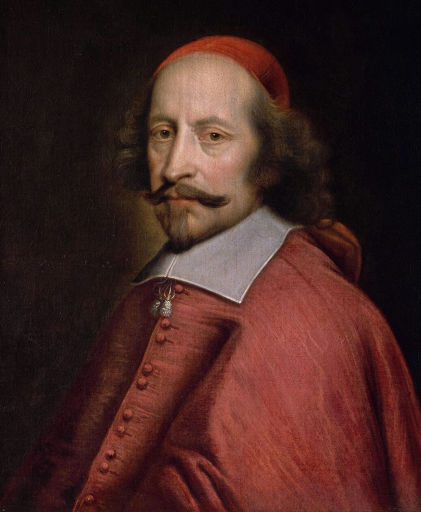
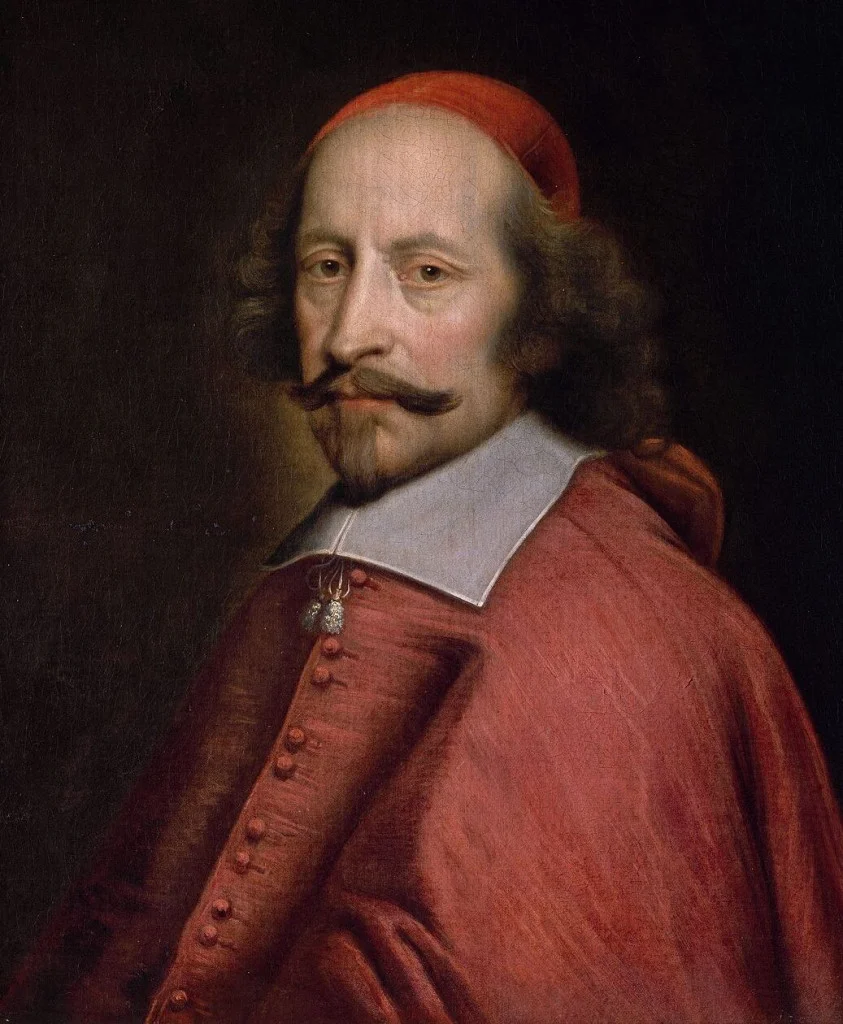
France's shrewd cardinal: Mazarin mastered politics, molded kings, made history.
Conversation Starters
Life Journey
Jules Mazarin was born to Pietro Mazzarino and Ortensia Buffalini in Pescina, Kingdom of Naples, in a family of minor nobility.
Mazarin begins his education at the Jesuit College in Rome, where he receives a rigorous classical and religious education, laying the foundation for his future career.
Mazarin enters the service of the Papal States, starting his career in diplomacy. He is appointed to various missions, including in France, where he first meets Cardinal Richelieu.
Mazarin is appointed as the Papal Nuncio to France, a role that brings him into close contact with the French court and Cardinal Richelieu, who recognizes his talents and potential.
Mazarin officially becomes a naturalized French citizen, a move that solidifies his position in French politics and prepares him for a higher role in the French government.
Following the death of Cardinal Richelieu, Mazarin is appointed as the Chief Minister of France by King Louis XIII, effectively becoming the most powerful man in the kingdom.
King Louis XIII dies, and the young Louis XIV ascends to the throne. Mazarin becomes the regent and chief advisor to the new king, continuing his influence over French politics.
Mazarin faces the Fronde, a series of civil wars in France. His policies and influence are challenged, but he ultimately manages to maintain his position and suppress the revolt.
Mazarin, having been forced into exile during the Fronde, returns to Paris and regains his position as Chief Minister. He continues to shape French policy and strengthen the monarchy.
Mazarin arranges the marriage of Louis XIV to Maria Theresa of Spain, a significant diplomatic achievement that secures peace between France and Spain and strengthens French alliances.
Mazarin purchases the estate of the late Cardinal Richelieu, which he renames the Palais Mazarin. This acquisition symbolizes his rise to the pinnacle of French society and power.
Mazarin concludes the Treaty of the Pyrenees, ending the war with Spain and consolidating French power in Europe. This treaty is a significant diplomatic victory for his administration.
Mazarin, now in his later years, begins to withdraw from active politics. He focuses on his legacy, including the establishment of the Collรจge des Quatre-Nations, a prestigious educational institution.
Jules Mazarin dies in Vincennes, France, leaving behind a legacy as one of the most influential figures in 17th-century French politics and a key architect of French absolutism.