Quick Facts
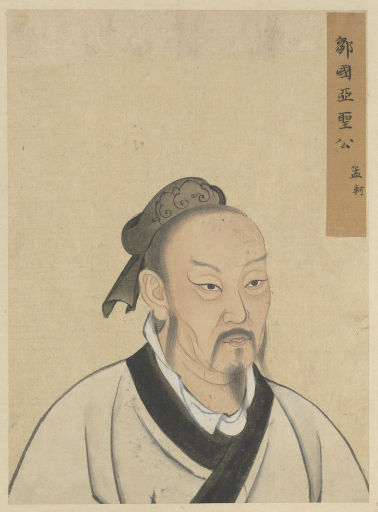
A persuasive Confucian thinker who argued human nature is good, urging humane governance through moral cultivation and compassion.
Conversation Starters
Life Journey
Born in the State of Zou amid the political upheavals of the Warring States period. Growing up near the Confucian heartland of Lu, he was shaped by debates over order, ritual, and moral rule.
As a boy he studied the classics, rites, and historical sayings valued by the Ru tradition. Family guidance stressed self-restraint and empathy, themes he later framed as the roots of ethical life.
He immersed himself in teachings traced to Zisi, Confucius's grandson, emphasizing inner moral cultivation. This training encouraged him to argue from human feeling and conscience rather than mere statecraft.
He started instructing students in classical learning and moral reasoning, attracting followers who traveled with him. These discussions sharpened his skill in dialogue, analogy, and ethical persuasion.
Through teaching and observation, he articulated that compassion, shame, respect, and discernment are innate moral 'sprouts.' He argued that proper nourishment through education and ritual turns them into full virtues.
He left home to seek rulers willing to practice humane government rather than coercion. Like earlier Confucians, he used court audiences to press for lighter taxes, stable livelihoods, and moral leadership.
In political conversations, he insisted that winning the people's hearts yields lasting security. He contrasted compassion-based governance with short-term militarism, warning that fear cannot sustain legitimacy.
He challenged King Hui of Liang to replace profit-seeking policies with ren (humaneness) and yi (righteousness). By stressing relief for farmers and fair administration, he tied morality directly to political stability.
He defended the claim that people naturally respond to suffering with compassion, using vivid examples from everyday life. Against cynicism, he argued that wrongdoing reflects damaged conditions, not an evil essence.
He criticized Mohist impartial love as neglecting family bonds, and rejected Yangist self-preservation as moral emptiness. By positioning Confucianism between these extremes, he broadened its appeal to statesmen and students.
He advocated policies resembling the well-field system, aiming to secure subsistence and reduce exploitation. His proposals linked stable land and taxes to social harmony, arguing that hunger undermines virtue.
In Qi he participated in a vibrant court environment where scholars competed to advise rulers. He pressed the case that moral example outranks punishment, and that rulers must treat subjects as valued citizens.
He explained how sustained righteousness builds a powerful 'flood-like qi,' a confident moral energy resisting intimidation. This teaching emphasized daily integrity, patience, and the courage to speak truth at court.
As interstate conflict intensified, he argued conquest brings ruin even when tactically successful. He urged rulers to seek authority through virtue, warning that unjust war alienates Heaven and the people alike.
He advanced a bold view of legitimacy: a ruler who destroys the people's welfare becomes a mere 'fellow' rather than a true king. This reasoning grounded later Confucian talk of removing tyrants in moral terms.
After seeing rulers praise virtue but pursue power, he retreated from active advising. He turned to teaching and organizing conversations with disciples, preserving arguments that would later define his legacy.
With students, he shaped remembered debates into structured dialogues and short essays. These texts captured his voice—sharp, compassionate, and practical—and circulated among Confucians as a guide to moral governance.
In old age he emphasized personal virtue as the foundation of any stable state, mentoring students in ritual propriety and ethical judgment. His circle preserved stories of his debates with kings and rival philosophers.
He died after a long career as teacher and moral critic of power politics. Later dynasties elevated his work as orthodox Confucian learning, and his arguments shaped debates on legitimacy and humane rule for centuries.