Chumi
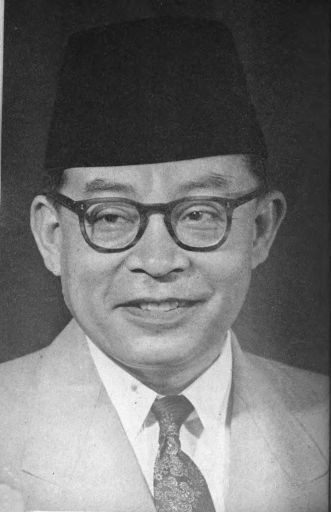
Mohammad Hatta

Mohammad Hatta

Independence leader

Start Chat

AI Personality

Quick Facts

Co-proclaiming Indonesian independence in 1945
Serving as Indonesia's first Vice President
Advocating cooperative economics (koperasi)

Life Journey

1902Born into a Minangkabau family in West Sumatra

Born in Fort de Kock (now Bukittinggi) in the Dutch East Indies, he grew up in a Minangkabau society shaped by trade and Islamic schooling. Early colonial realities and local reform currents influenced his disciplined, bookish character.

1913Entered Dutch-language schooling that opened a nationalist worldview

He pursued Dutch-language education in Padang, gaining access to European political ideas while witnessing colonial inequalities firsthand. The mix of modern instruction and indigenous identity sharpened his interest in self-determination and economics.

1921Departed for the Netherlands to study economics and politics

Moving to Rotterdam, he entered the world of European universities and Indonesian student networks. Exposure to debates on socialism, nationalism, and colonial policy helped him frame independence as both moral and institutional work.

1922Became a leading voice in the Indonesian student movement in Europe

He rose within Perhimpunan Indonesia, helping steer it toward a clear anti-colonial platform rather than cultural association. Through speeches and careful writing, he connected Indonesian aspirations to global currents of decolonization.

1927Arrested by Dutch authorities for anti-colonial activism

Dutch police detained him alongside other Perhimpunan Indonesia figures, treating their writings as threats to colonial order. In court he defended independence as a legitimate national right, turning repression into political publicity.

1932Returned to the Indies and intensified nationalist organizing

Back in Java, he joined the struggle on the ground, working with activists to rebuild organizations under strict surveillance. His emphasis on disciplined cadres and economic clarity distinguished him from more theatrical politics.

1934Exiled by the Dutch to remote detention in Papua

Colonial authorities exiled him to Boven-Digoel, a notorious political prison camp in New Guinea designed to isolate nationalist leadership. He used the isolation to read, write, and refine ideas about governance and cooperative economics.

1936Transferred to internal exile in Banda Neira

He was moved to Banda Neira in the Maluku Islands, where political detainees lived under watch but had limited intellectual freedom. There he continued studying world politics and mentoring younger nationalists in strategy and ethics.

1942Navigated the Japanese occupation as nationalism entered a new phase

With Japan's conquest of the Indies, old colonial structures collapsed and nationalist leaders faced complex collaboration pressures. He engaged cautiously with emerging institutions, aiming to prepare administrative capacity for future sovereignty.

1945Co-proclaimed Indonesian independence with Sukarno

On 17 August 1945, he and Sukarno proclaimed independence in Jakarta as Japan surrendered and Allied forces prepared to return. He helped shape the proclamation and early cabinet work, focusing on legitimacy and institutional continuity.

1945Elected the first Vice President of the Republic of Indonesia

In the new republican leadership, he served as vice president, balancing Sukarno's mass appeal with administrative rigor. He emphasized clean governance, realistic diplomacy, and economic plans rooted in cooperatives and national self-reliance.

1946Assumed prime-ministerial responsibilities in early wartime cabinets

During the revolution, he took leading roles in government, including serving as prime minister in a critical period of negotiations and armed conflict. His cautious style aimed to preserve international support while sustaining republican cohesion.

1948Steered diplomacy during the intensifying Dutch-republic conflict

As Dutch military actions escalated, he worked to keep the republic recognized abroad through negotiation and UN-focused diplomacy. He weighed military realities against the need for a settlement that preserved sovereignty and unity.

1949Helped secure Dutch recognition of Indonesian sovereignty

After years of revolution, negotiations culminated in Dutch acceptance of Indonesian sovereignty at the end of 1949. He contributed to the constitutional and diplomatic groundwork that enabled a transfer of authority and international recognition.

1950Promoted cooperative economics as a national development strategy

In the early independence era, he argued that cooperatives could protect small producers and build inclusive prosperity after colonial extraction. His speeches and essays linked economic citizenship to democracy, stressing ethics, savings, and education.

1956Resigned as Vice President over deepening political differences

He resigned amid growing disagreements over governance style, party politics, and the drift toward centralized authority under Sukarno. The resignation highlighted his commitment to constitutional limits, personal integrity, and accountable administration.

1966Returned as a respected elder statesman during political transition

Following upheaval and the shift toward Suharto's New Order, he re-emerged as a moral reference point rather than a power-seeker. He continued warning against authoritarianism and corruption, urging rule-based government and civic responsibility.

1980Died after a lifetime of public service and intellectual leadership

He died in Jakarta, widely honored as a founding figure who paired revolutionary courage with administrative sobriety. His legacy endures through Indonesia's independence narrative and his influential advocacy of cooperatives and ethical politics.

Chat