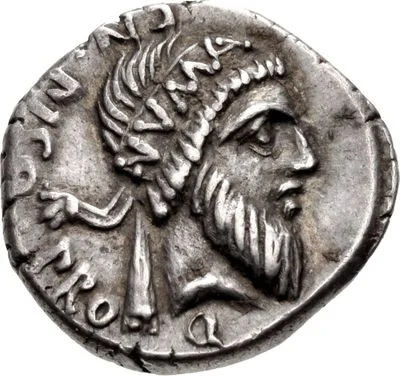
En bref
Creation du sacerdoce romain
Reforme du calendrier romain
Fondation des vestales
Le paisible deuxieme roi de Rome. Crea les sacerdoces, le calendrier et les fondements religieux.
Sujets de conversation
Parcours de vie
753 BCNaissance de Numa Pompilius
Numa Pompilius est ne.
753 BCPetite enfance dans les collines sabines
Numa passa sa petite enfance dans les collines sabines.
735 BCEducation en philosophie et religion
Numa recut une education en philosophie et religion.
725 BCMariage avec Tatia
Numa epousa Tatia.
720 BCMort de Tatia
Tatia mourut.
715 BCElu roi de Rome
Numa fut elu roi de Rome.
714 BCEtablissement du Pontifex Maximus
Numa etablit le Pontifex Maximus.
713 BCFondation du Temple de Janus
Numa fonda le Temple de Janus.
712 BCInstitution des Vestales
Numa institua les Vestales.
710 BCReforme du calendrier
Numa reforma le calendrier.
708 BCEtablissement des Saliens
Numa etablit les Saliens.
705 BCPromotion des lois agricoles
Numa promut les lois agricoles.
700 BCReorganisation de l armee romaine
Numa reorganisa l armee romaine.
695 BCEtablissement des Curies
Numa etablit les Curies.
673 BCMort de Numa Pompilius
Numa Pompilius mourut.