Datos rápidos
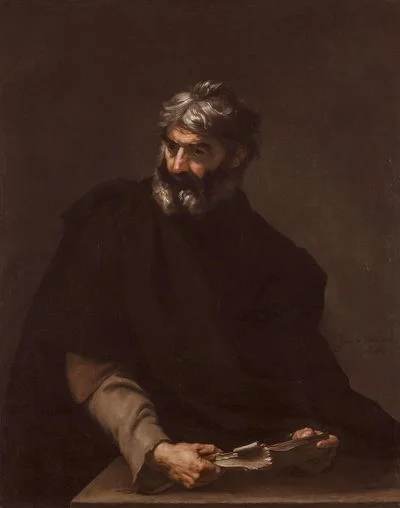
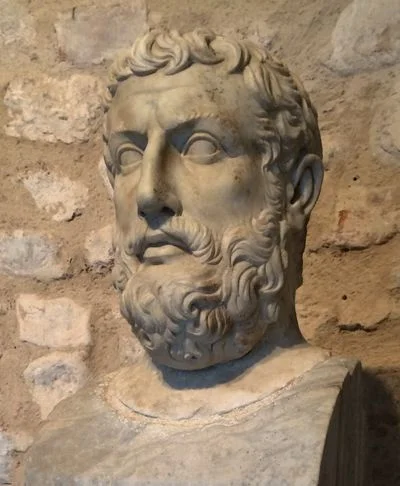
"El ser es, el no-ser no es": Parmenides, padre de la metafisica.
Inicios de conversación
Trayectoria vital
En sus ultimos anos, Parmenides reflexiono sobre su obra.
Parmenides se retiro de la ensenanza activa, concentrandose en su legado.
Parmenides comenzo a experimentar problemas de salud.
Parmenides continuo refinando sus ideas filosoficas.
Parmenides viajo a Atenas y discutio con otros pensadores.
Parmenides formo a Zenon de Elea, quien se hizo famoso por sus paradojas.
Parmenides fundo la Escuela Eleatica, atrayendo a muchos estudiantes y pensadores.
Parmenides completo su famosa obra Sobre la Naturaleza, explorando la distincion entre ser y no ser.
Parmenides comenzo a componer obras filosoficas sobre la naturaleza del ser.
Parmenides fue influenciado por Jenofanes, quien enfatizaba la importancia de una realidad unica e inmutable.
Parmenides continuo su educacion, estudiando las tradiciones filosoficas y cientificas.
Parmenides comenzo su educacion primaria, aprendiendo lengua, literatura y cultura griegas.
Parmenides paso sus primeros anos en el rico entorno cultural de Elea.
Parmenides nacio en Elea, una colonia griega en el sur de Italia.
Parmenides murio en Elea, dejando un profundo legado en metafisica.