Quick Facts
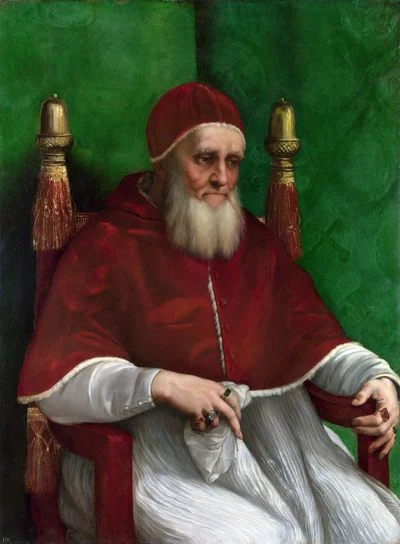
Unam Sanctam. Claimed absolute power, was slapped by a French knight.
Conversation Starters
Life Journey
Born as Benedetto Caetani in Anagni, Italy, to a noble family with roots in the papal bureaucracy.
Enters the University of Paris to study canon and civil law, laying the foundation for his future career.
Appointed Cardinal Deacon of Santa Maria in Cosmedin by Pope Urban IV, marking the beginning of his ecclesiastical career.
Sent as papal legate to England to negotiate a settlement between King Edward I and the rebellious barons.
Promoted to Cardinal Bishop of Ostia and Velletri, a significant step in his ecclesiastical hierarchy.
Participates in the papal conclave that elects Pope Honorius IV, further solidifying his influence in the Church.
Elected as Pope Boniface VIII following the abdication of Pope Celestine V, he takes the throne of St. Peter.
Announces the first Holy Year, a Jubilee, to encourage pilgrimages and spiritual renewal, attracting thousands to Rome.
Issues the bull Clericis Laicos, prohibiting secular rulers from taxing clergy without papal consent, asserting papal authority.
Attempts to mediate between France and England during their conflict, highlighting his diplomatic skills and influence.
Convenes the Council of Rome to address various ecclesiastical and political issues, reinforcing his authority.
Celebrates the first Jubilee Year with grand ceremonies and indulgences, attracting pilgrims from across Christendom.
Issues the bull Unam Sanctam, declaring the supreme authority of the papacy over all temporal rulers, a defining moment in his pontificate.
Engages in a bitter conflict with King Philip IV of France over papal authority and the trial of the Templars.
Dies in Rome after a period of illness and political turmoil, his body interred in the Basilica of St. John Lateran.