En bref
Construire la Chapelle Sixtine
Patronner des artistes comme Botticelli
Reconstruire la ville de Rome
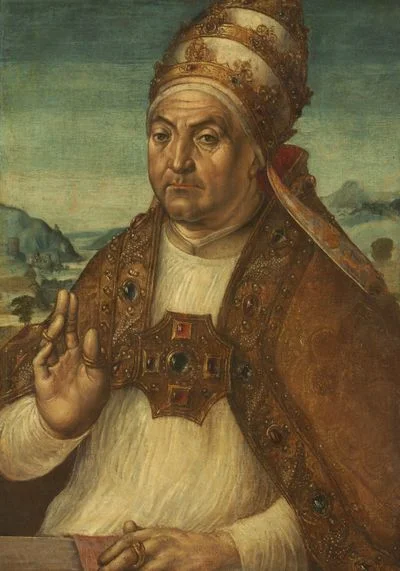
Pape de la Renaissance, Sixte IV : mecene des arts, homme de pouvoir, changea Rome a jamais.
Sujets de conversation
Parcours de vie
1414Naissance à Savone, République de Gênes
Sixte IV est né à Savone, République de Gênes.
1428Entrée dans l'ordre franciscain
Sixte IV entre dans l'ordre franciscain.
1436Ordonné prêtre
Sixte IV est ordonné prêtre.
1440Enseigne la philosophie et la théologie
Sixte IV enseigne la philosophie et la théologie.
1446Devient ministre général des Franciscains
Sixte IV devient ministre général des Franciscains.
1458Élu cardinal
Sixte IV est élu cardinal.
1464Participation au Concile de Mantoue
Sixte IV participe au Concile de Mantoue.
1471Élu pape Sixte IV
Sixte IV est élu pape.
1473Fondation de la chapelle Sixtine
Sixte IV fonde la chapelle Sixtine.
1475Mécénat de la Bibliothèque vaticane
Sixte IV patronne la Bibliothèque vaticane.
1478Établissement de l'Inquisition espagnole
Sixte IV établit l'Inquisition espagnole.
1480Soutien à la conjuration des Pazzi
Sixte IV soutient la conjuration des Pazzi.
1482Fondation de l'Université La Sapienza de Rome
Sixte IV fonde l'Université La Sapienza de Rome.
1483Poursuite du mécénat des arts
Sixte IV poursuit son mécénat des arts.
1484Décès à Rome
Sixte IV décède à Rome.