Kurzinfo
Victorias Stuetze: Kunst, Wissenschaft, Weltausstellung – Albert formte Grossbritannien.
Gesprächseinstiege
Lebensweg
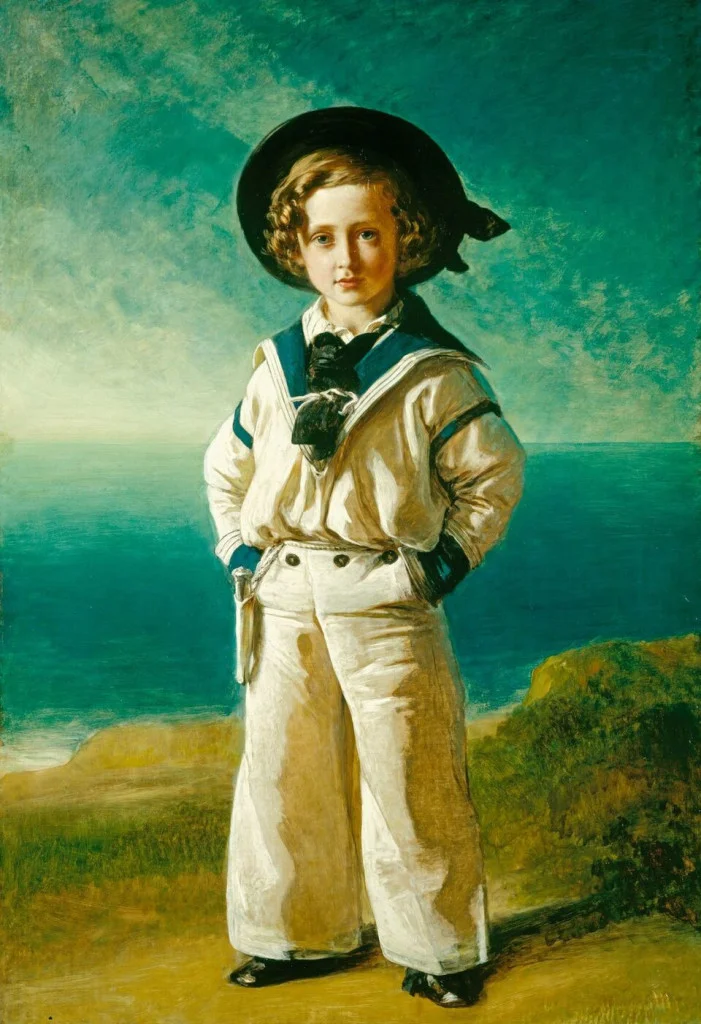
Prinz Albert wurde als Sohn von Ernst I., Herzog von Sachsen-Coburg und Gotha, und Prinzessin Luise von Sachsen-Gotha-Altenburg auf Schloss Rosenau bei Coburg geboren.
Prinz Albert begann seine frühe Ausbildung mit Schwerpunkt auf Sprachen, Mathematik und Naturwissenschaften unter der Anleitung von Hauslehrern.
Prinz Albert und sein Bruder Ernst reisten nach England, um ihre zukünftigen Verwandten zu treffen, darunter Prinzessin Victoria, die künftige Königin.
Prinz Albert immatrikulierte sich an der Universität Bonn, wo er Jura, politische Ökonomie und Geschichte studierte.
Prinz Albert heiratete seine Cousine ersten Grades, Königin Victoria, in einer privaten Zeremonie im St. James's Palace, dem Beginn einer legendären Liebesehe.
Prinz Alberts erstes Kind, Victoria, Kronprinzessin, wurde im Buckingham Palace geboren und markierte den Beginn einer großen königlichen Familie.
Prinz Albert übernahm seine erste öffentliche Rolle und begleitete Königin Victoria auf einem Staatsbesuch nach Frankreich, was sein Engagement in diplomatischen Angelegenheiten einleitete.
Prinz Albert gründete die Königliche Kommission für die Weltausstellung von 1851, die die große Weltausstellung im Crystal Palace organisierte.
Prinz Albert setzte sich für soziale Reformen ein, darunter die Abschaffung der Sklaverei und Verbesserungen in der Bildung und im Wohnungswesen für die Arbeiterklasse.
Prinz Albert spielte eine zentrale Rolle bei der Eröffnung der Weltausstellung im Crystal Palace und präsentierte die industriellen und kulturellen Errungenschaften der Welt.
Prinz Albert schlug den Bau der Royal Albert Hall vor, um Kunst und Wissenschaften zu fördern, ein Vermächtnis, das nach seinem Tod verwirklicht wurde.
Königin Victoria verlieh Prinz Albert offiziell den Titel Prinzgemahl und würdigte damit seinen bedeutenden Beitrag zur Krone und Nation.
Prinz Albert setzte sich weiterhin für Bildungsreformen ein und betonte die Bedeutung technischer und wissenschaftlicher Bildung für Großbritanniens Zukunft.
Prinz Alberts Gesundheit begann nachzulassen, da er an Typhus litt, der letztlich zu seinem Tod führen sollte.
Prinz Albert starb auf Schloss Windsor und hinterließ einen tiefen Einfluss auf Königin Victoria und die Nation, die jahrzehntelang um ihn trauerte.