Quick Facts
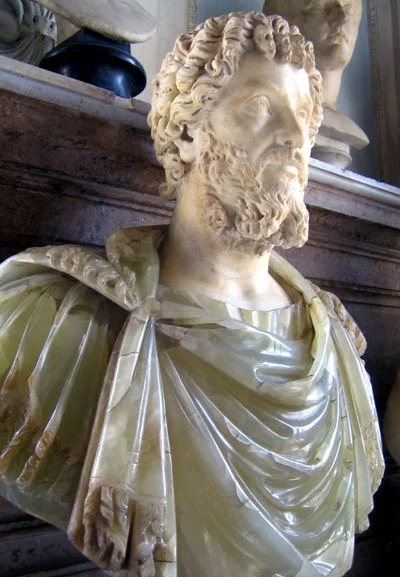
The Roman statesman and general who played a significant role in the early Roman Republic, known for his conservative stance and military achievements.
Conversation Starters
Life Journey
Publius Cornelius Scipio Nasica was born into the prestigious Cornelii Scipiones family, known for their military and political achievements. His birth marked the beginning of a life dedicated to Roman statecraft and military service.
Scipio Nasica began his formal education in Rome, studying rhetoric, law, and military tactics. His family's prominence ensured he received the best possible education, preparing him for a future in Roman politics and military leadership.
Completed his military training, which included rigorous physical and tactical exercises. His training was supervised by experienced Roman military leaders, ensuring he was well-prepared for future military campaigns and leadership roles.
Elected to the position of quaestor, one of the lowest-ranking political offices in the Roman Republic. As quaestor, he was responsible for financial and administrative duties, gaining valuable experience in public service.
Served as aedile, overseeing public games, maintenance of public buildings, and the regulation of markets. His role as aedile further solidified his reputation as a capable and dedicated public servant.
Elected praetor, a high-ranking judicial and military position. As praetor, he presided over civil and criminal cases and was responsible for the administration of justice, further enhancing his political and legal expertise.
Led a successful military campaign against the Lusitanians in Hispania, demonstrating his military prowess and strategic acumen. This victory solidified his reputation as a capable military leader and earned him the respect of his peers.
Elected consul, the highest political office in the Roman Republic. As consul, he was one of the two chief executives of the state, responsible for military and civil administration. His consulship marked the pinnacle of his political career.
Successfully suppressed a revolt in Liguria, maintaining Roman control over the region. His decisive actions and leadership skills were crucial in restoring order and stability, further enhancing his military reputation.
Married to a noblewoman from a prominent Roman family, strengthening his political and social connections. This marriage was a strategic alliance that further solidified his position in the Roman elite.
Appointed Pontifex Maximus, the highest religious office in Rome. As Pontifex Maximus, he was the chief priest and had significant influence over religious and state affairs, further cementing his status as a leading figure in Roman society.
Staunchly opposed the land reforms proposed by the Gracchi brothers, Tiberius and Gaius Gracchus. His conservative stance and opposition to these reforms aligned him with the traditionalist faction of the Senate, earning him the nickname 'Scipio the Conservative.'
Led the Senate in its opposition to the populist reforms of Gaius Gracchus. His leadership and influence were crucial in maintaining the traditional power structures of the Roman Republic, despite increasing social and political tensions.
Had children with his wife, further extending his family's influence and legacy in Roman society. His children would go on to play significant roles in the political and military affairs of the Republic.
Retired from active political life, focusing on his role as Pontifex Maximus and mentoring younger generations of Roman leaders. His retirement marked a transition in his career, but his influence continued to be felt in the Senate and the broader Roman community.
Died in Rome, leaving behind a legacy of conservative political leadership and military achievements. His contributions to the Roman Republic were significant, and his influence continued to shape Roman politics and society long after his death.