Quick Facts
The Roman general who led a rebellion against the Roman Republic in Spain.
Conversation Starters
Life Journey
Quintus Sertorius was born into a noble but modest family in Nursia, a city in the Sabine region of Italy. His early life was marked by the cultural and political tensions of the Roman Republic.
Sertorius received his early education in Rome, where he studied rhetoric and law. His intellectual abilities and oratory skills were recognized, setting the foundation for his future political and military career.
Sertorius began his military career, serving in various capacities within the Roman legions. His early military experiences helped him develop the leadership and strategic skills that would later define him.
Sertorius served as a young officer in the Cimbrian War, where he distinguished himself in battle against the Germanic tribes. His bravery and tactical acumen earned him recognition and respect among his peers.
Sertorius was elected quaestor, one of the lowest-ranking magistracies in the Roman Republic. This position marked the beginning of his political career and provided him with valuable administrative experience.
Sertorius was elected Tribune of the Plebs, a position that allowed him to propose and advocate for laws. He used this role to champion the rights of the common people and gain political influence.
Sertorius fought in the Social War, a conflict between Rome and its Italian allies. His military prowess and leadership were crucial in several battles, further solidifying his reputation as a skilled commander.
Sertorius married and had a daughter. His family life provided him with personal stability and a sense of responsibility, which complemented his growing political and military responsibilities.
Sertorius was elected praetor, a higher-ranking magistracy that involved both judicial and military duties. His administrative and judicial skills were highly regarded, and he was known for his fair and just decisions.
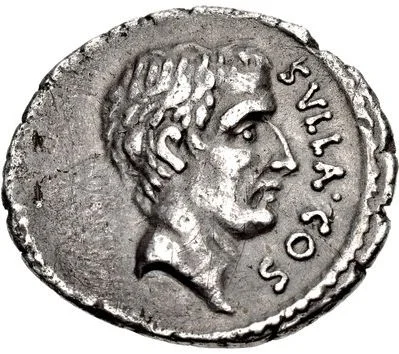
Sertorius supported Gaius Marius in the civil war against Sulla. His loyalty and military skills were crucial to the Marian cause, although Marius's death and Sulla's victory forced Sertorius to flee Italy.
Following the defeat of the Marian faction, Sertorius fled to Africa to avoid Sulla's proscriptions. He continued to build his military and political network, laying the groundwork for his future rebellion.
Sertorius was appointed governor of Farther Spain (Hispania Ulterior) by the remnants of the Marian faction. He quickly established his authority and began to organize a resistance against Sulla's regime.
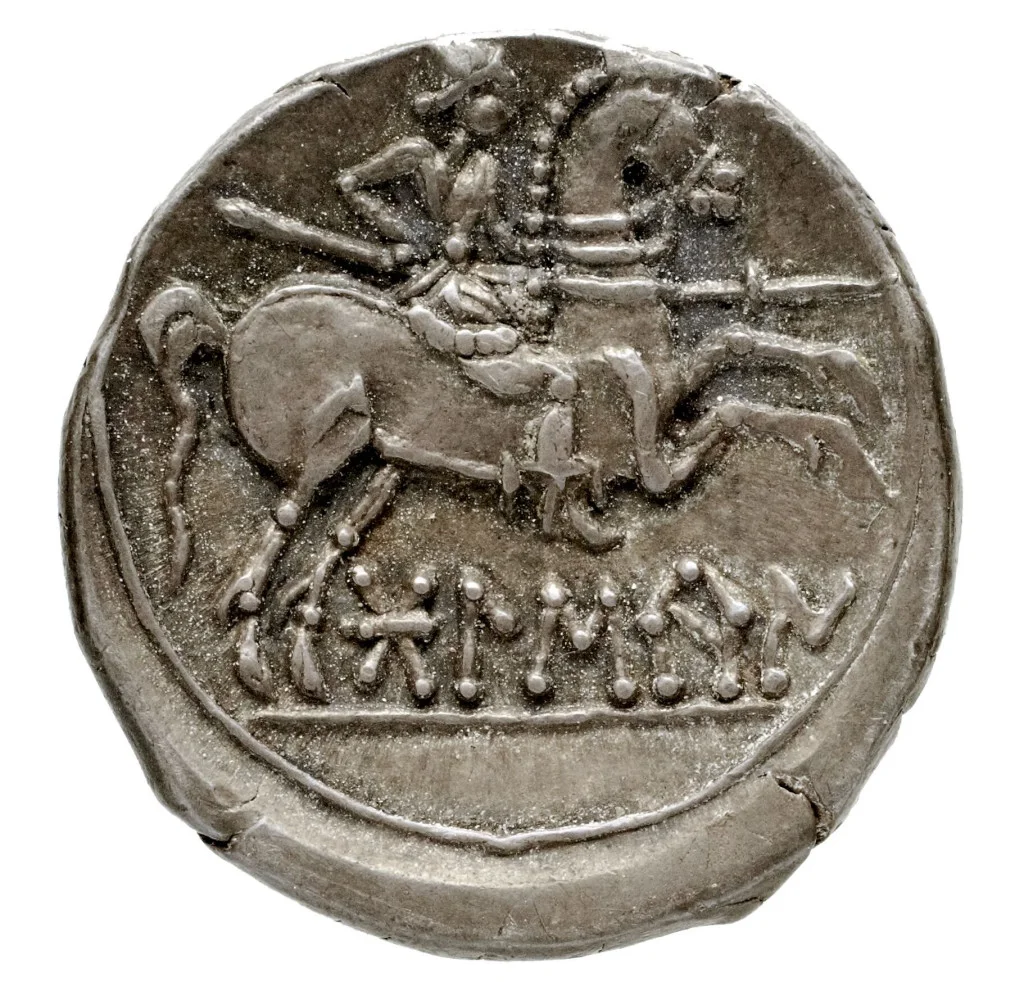
Sertorius launched a rebellion against the Roman Republic, establishing a rival government in Hispania. His guerrilla tactics and ability to gain local support made him a formidable opponent to Roman forces.
Sertorius achieved a significant victory over Roman forces at the Battle of Sucro, demonstrating his military prowess and strategic brilliance. This battle marked a turning point in his rebellion.
Sertorius formed alliances with various local tribes and chieftains, strengthening his position in Hispania. His ability to win the loyalty of the native population was a key factor in his success.
Sertorius established a republican government in Hispania, modeled after the Roman Republic. He implemented reforms and governed with a combination of Roman and local traditions, earning the respect of his subjects.
Sertorius faced increasing pressure from Roman forces led by Pompey and Metellus. Despite his skillful resistance, the combined Roman forces began to gain the upper hand, leading to a series of setbacks.
Quintus Sertorius was assassinated by his own officers, who had become disillusioned with his leadership and feared the growing power of Rome. His death marked the end of his rebellion and the reassertion of Roman control in Hispania.