Datos rápidos
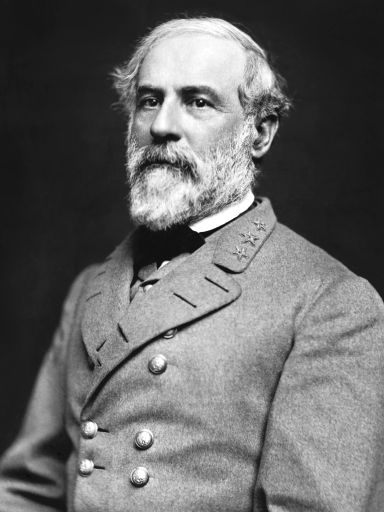
General confederado disciplinado cuya brillantez táctica y contención en la posguerra lo convirtieron en un símbolo estadounidense duradero y controvertido.
Inicios de conversación
Trayectoria vital
Nació de Ann Hill Carter Lee y del oficial de la Guerra de Independencia Henry "Light-Horse Harry" Lee. Sus primeros años estuvieron marcados por el prestigio familiar y la tensión financiera en los jóvenes Estados Unidos.
Fue aceptado en West Point, donde siguió un plan de estudios riguroso centrado en la ingeniería y la disciplina. Se forjó una reputación de conducta meticulosa y sólido rendimiento académico entre sus compañeros.
Se graduó con máximos honores y, de manera notable, no recibió ninguna falta disciplinaria, un logro poco común en la academia. Fue nombrado subteniente brevet en el Cuerpo de Ingenieros del Ejército de los Estados Unidos.
Se casó con Mary Custis, bisnieta de Martha Washington, lo que lo vinculó al legado de la familia Washington. Su matrimonio tuvo como centro Arlington House y, con el tiempo, tuvieron siete hijos.
Trabajó en mejoras de puertos y ríos, incluidos proyectos para proteger el comercio costero y la navegación. Estos destinos afinaron sus habilidades prácticas de ingeniería y su atención al terreno y a las fortificaciones.
Se incorporó a la campaña del general Winfield Scott y realizó reconocimientos audaces que guiaron maniobras clave. Su actuación en Veracruz y en batallas posteriores recibió elogios y aceleró su reputación.
Ayudó a identificar rutas a través de terrenos difíciles que permitieron ataques envolventes estadounidenses cerca de Ciudad de México. Scott lo elogió por su serenidad bajo fuego y por su trabajo de estado mayor durante combates intensos.
Apoyó los asaltos hacia Chapultepec y los accesos a la capital, coordinando ingenieros y tropas. Sus ascensos brevet en tiempos de guerra reflejaron tanto su juicio táctico como su valor personal en acción.
Regresó a West Point como superintendente, supervisando la disciplina de los cadetes, la instrucción y reformas institucionales. Recalcó estándares profesionales y competencia en ingeniería en una época de creciente tensión seccional.
Fue transferido de ingenieros a caballería para el servicio fronterizo bajo los planes de expansión del secretario de Guerra Jefferson Davis. Destacado en Texas, afrontó incursiones y una logística dura a lo largo de grandes distancias.
Mandó a los marines y soldados enviados por el presidente James Buchanan para sofocar a John Brown en el arsenal. La rápida operación en Harpers Ferry incrementó las tensiones nacionales en torno a la esclavitud y la secesión.
Rechazó una oferta para comandar fuerzas de la Unión y presentó su renuncia conforme se intensificaban los conflictos de lealtad. Pronto aceptó responsabilidades de mando para Virginia, reflejando la crisis que desgarraba a la nación.
Asumió el mando después de que Joseph E. Johnston resultara herido durante la Campaña de la Península contra George B. McClellan. Reorganizó las defensas e inició operaciones agresivas que remodelaron el Teatro Oriental.
Derrotó a las fuerzas de la Unión al mando de John Pope en la Segunda Batalla de Manassas y luego rechazó a Ambrose Burnside en Fredericksburg. Estos éxitos elevaron su prestigio en la Confederación y profundizaron la frustración en el Norte.
Invadió el Norte y se enfrentó al Ejército del Potomac, al mando de George G. Meade, en Gettysburg. La batalla de tres días terminó con una costosa retirada confederada y marcó un punto de inflexión estratégico.
Se enfrentó a las ofensivas implacables de Grant desde Wilderness hasta Spotsylvania y Cold Harbor. El ejército de Lee sufrió grandes pérdidas mientras defendía Richmond y Petersburg frente a recursos superiores de la Unión.
Tras la caída de Petersburg, su ejército se retiró hacia el oeste, pero fue cercado por las fuerzas de Grant cerca de Appomattox. Se rindió en condiciones generosas que ayudaron a sentar un precedente para poner fin a la resistencia confederada principal.
Aceptó dirigir Washington College y promovió un plan de estudios que incluía lenguas modernas, derecho y comercio. Su presidencia buscó estabilizar una región devastada y orientar a los estudiantes durante los cambios de la Reconstrucción.
Sufrió un derrame cerebral en 1870 y nunca se recuperó por completo, mientras familiares y colegas se reunían en su hogar. Murió en Lexington, donde se había convertido en un destacado líder educativo y figura pública de la posguerra.