Kurzinfo
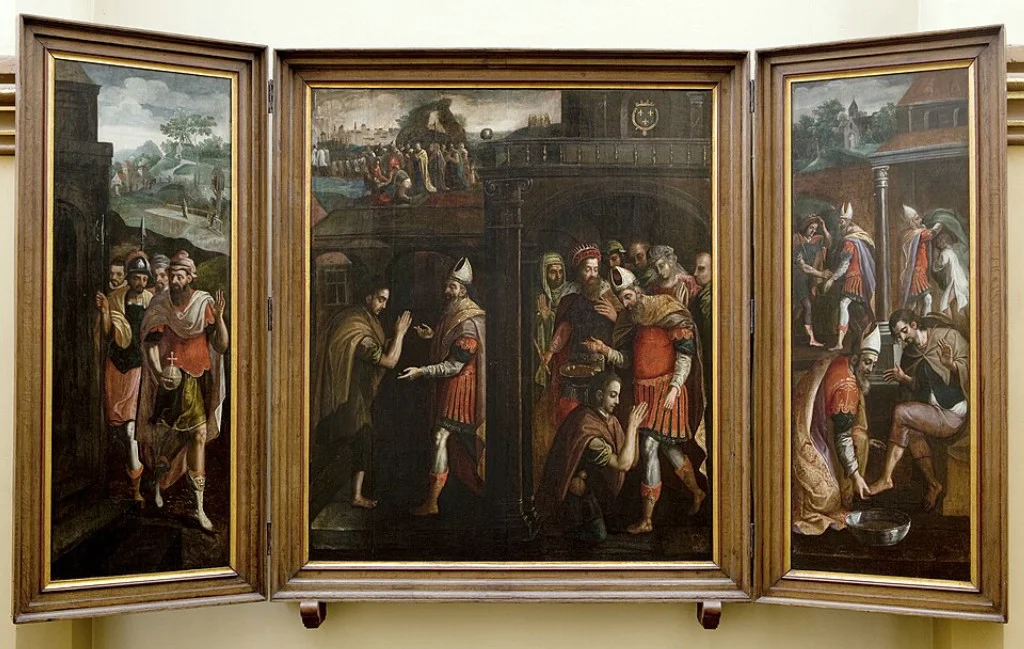
Gedenke, Sohn, halte dein Taufgeluebde! Remigius: Taufte den Frankenkoenig Chlodwig.
Gesprächseinstiege
Lebensweg
Remigius wurde in eine adlige gallo-römische Familie in Laon während der letzten Jahre des Weströmischen Reiches geboren. Sein Vater Emilius war Graf und seine Mutter Cilinia war für ihre Frömmigkeit bekannt. Seine Geburt wurde angeblich seiner Mutter von einem blinden Eremiten namens Montanus vorhergesagt, der prophezeite, dass das Kind der Kirche großes Licht bringen würde.
Der junge Remigius erhielt eine außergewöhnliche klassische Bildung, die seinem adligen Stand entsprach, und studierte lateinische Rhetorik, Philosophie und die freien Künste. Seine Lehrer erkannten seine außergewöhnliche Intelligenz und sein Gedächtnis, und er übertraf schnell seine Altersgenossen im Lernen. Schon in diesem jungen Alter zeigte er neben akademischer Brillanz tiefe religiöse Hingabe.
Remigius widmete sich unter der Anleitung gelehrter Kleriker in Reims dem intensiven Studium der Heiligen Schrift und theologischer Texte. Seine Beredsamkeit beim Predigen und die Tiefe seines biblischen Wissens wurden bald in ganz Nordgallien berühmt. Er entwickelte einen Ruf, der strenge Gelehrsamkeit mit echter geistlicher Weisheit verband.
Trotz seiner Jugend wurde Remigius nach dem Tod des vorherigen Bischofs einstimmig von Klerus und Laien zum Bischof von Reims gewählt. Diese außergewöhnliche Wahl eines 22-Jährigen auf einen so wichtigen Bischofssitz spiegelte die weitverbreitete Anerkennung seiner Heiligkeit und Gelehrsamkeit wider. Er sollte diese Position über siebzig Jahre lang innehaben, eines der längsten Episkopate in der Kirchengeschichte.
Remigius nahm an seinem ersten Kirchenkonzil teil und etablierte sich als Stimme der Weisheit unter den gallischen Bischöfen. Seine durchdachten Interventionen in Fragen der Lehre und Disziplin beeindruckten seine Mitbischöfe. Er sollte in den folgenden Jahrzehnten zu einer der angesehensten kirchlichen Stimmen in Gallien werden.
Da Barbareneinfälle viele Kirchen beschädigt hatten, unternahm Remigius ein ehrgeiziges Programm zum Wiederaufbau und zur Verschönerung von Kirchen in seiner gesamten Diözese. Er überwachte persönlich die Restaurierung der Kathedrale und mehrerer Pfarrkirchen und sorgte dafür, dass sie über angemessene liturgische Ausstattung verfügten. Diese Bemühungen halfen, die christliche Zivilisation inmitten politischer Turbulenzen zu bewahren.
Remigius gründete mehrere Klöster in seiner gesamten Diözese, die als Zentren des Gebets, des Lernens und der Wohltätigkeit dienten. Diese Gemeinschaften bewahrten klassisches Wissen und boten Bildung in turbulenten Zeiten. Die Klöster dienten auch als Zufluchtsorte für Arme und Reisende und verbreiteten christliche Nächstenliebe in der gesamten Region.
Als der junge Frankenkönig Chlodwig I. nach dem Tod seines Vaters Childerich an die Macht kam, schrieb Bischof Remigius ihm einen berühmten Brief mit Rat und Glückwünschen. Er ermahnte den heidnischen König, Gerechtigkeit und Barmherzigkeit zu zeigen, die Kirche zu schützen und für sein Volk zu sorgen. Dies begann eine Beziehung, die die europäische Geschichte verändern sollte.
Nachdem Chlodwig den römischen General Syagrius besiegt und einen Großteil Nordgalliens erobert hatte, diente Remigius als Berater, der bei der Integration der römischen christlichen Bevölkerung mit ihren fränkischen Herrschern half. Er vermittelte zum Schutz von Kirchen und Klöstern, und seine Weisheit half, den Übergang von römischer zu fränkischer Herrschaft in der Region zu erleichtern.
Remigius unterstützte und half wahrscheinlich, die Ehe zwischen Chlodwig und der christlichen burgundischen Prinzessin Chlothilde zu arrangieren. Er erkannte, dass diese Verbindung die Tür zur Bekehrung des Frankenkönigs öffnen könnte. Chlothilde sollte sich als entscheidend erweisen, um ihren Mann allmählich zum Christentum zu bewegen, mit geduldiger Ermutigung durch Remigius.
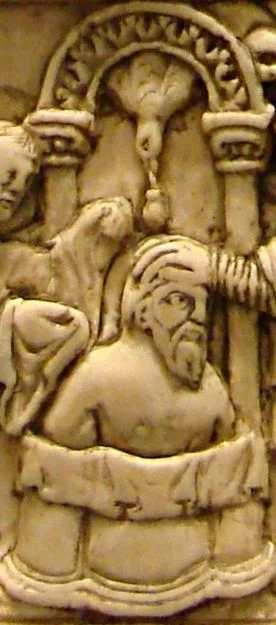
Am Weihnachtstag taufte Remigius König Chlodwig I. zusammen mit 3.000 seiner Krieger in der Kathedrale von Reims. Der Tradition nach verkündete Remigius: 'Beuge demütig deinen Kopf, Sicamber; bete an, was du verbrannt hast, und verbrenne, was du angebetet hast.' Diese Massenbekehrung etablierte die Franken als ersten großen germanischen Stamm, der den katholischen Glauben annahm.
Während der Taufe Chlodwigs soll eine Taube vom Himmel herabgekommen sein und eine Phiole mit heiligem Chrisam getragen haben, die Heilige Ampulle. Dieses wundertätige Öl würde über tausend Jahre lang zur Salbung französischer Könige verwendet, Reims als Krönungsort etablieren und das französische Königtum durch den Dienst des Remigius mit göttlichem Segen verbinden.
Remigius verfasste sein berühmtes Testament, das die Verteilung seines Besitzes detailliert beschreibt und einen Einblick in das Gallien des 6. Jahrhunderts bietet. Dieses Dokument offenbart seine umfangreichen Wohltätigkeitswerke, die Organisation seiner Diözese und seine Fürsorge für Arme und Klerus. Es bleibt eine unschätzbare historische Quelle zum Verständnis der frühen fränkischen Kirche.
Als Chlodwig in den Krieg gegen die arianischen Westgoten zog, unterstützte Remigius den Feldzug als einen Kampf für die katholische Orthodoxie. Der fränkische Sieg bei Vouillé vertrieb den Arianismus aus dem größten Teil Galliens und etablierte den katholischen Glauben als vorherrschende Religion. Die frühe Förderung Chlodwigs durch Remigius trug in diesem Triumph der Kirche Früchte.
Als ranghöchster Bischof Galliens wurde Remigius beim kurz vor Chlodwigs Tod einberufenen Konzil von Orléans geehrt. Dieses Konzil organisierte die fränkische Kirche und erließ wichtige Kanones zur Regelung von Klerus und Kircheneigentum. Die lange Erfahrung des Remigius prägte die Beratungen dieser grundlegenden Versammlung.
Während seines langen Episkopats pflegte Remigius Korrespondenz mit Bischöfen, Klerikern und Adligen in ganz Gallien und bot Rat in theologischen und praktischen Fragen. Seine erhaltenen Briefe offenbaren seine seelsorgerische Weisheit, seine Sorge um die kirchliche Disziplin und seine Fähigkeit, komplexe politische Situationen zu navigieren, während er geistliche Integrität bewahrte.
In Anerkennung seiner Rolle bei der Bekehrung der Franken und seiner jahrzehntelangen Führung wurde Remigius mit dem Titel 'Patriarch der Franken' geehrt. Seine außergewöhnliche Langlebigkeit bedeutete, dass er mehrere Generationen des fränkischen Königshauses getauft, beraten und beerdigt hatte und zur lebenden Verkörperung der Allianz zwischen Kirche und fränkischer Monarchie wurde.
Der heilige Remigius starb in Reims, nachdem er über siebzig Jahre als Bischof gedient hatte, eines der längsten Episkopate der christlichen Geschichte. Er wurde in der von ihm erbauten Kirche begraben, die später ihm zu Ehren in Abtei Saint-Remi umbenannt wurde. Sein Grab wurde zu einem Wallfahrtsort, und sein Festtag wird am 1. Oktober in der gesamten katholischen Welt gefeiert.