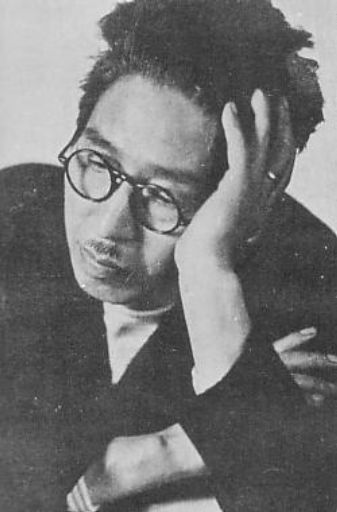
Quick Facts
Romantic Taisho-era artist who blended delicate linework, poetry, and design into widely loved “Yumeji-style” imagery.
Conversation Starters
Life Journey
He was born in Oku, a rural area of Okayama Prefecture, Japan, during rapid Meiji modernization. Early exposure to folk crafts and local scenery later fed his nostalgic, lyrical visual world.
As a teenager he relocated to Tokyo, where magazines, bookstores, and new printing technologies were booming. The city’s mix of tradition and modern nightlife became a lasting backdrop for his themes.
He began contributing drawings and poems to popular illustrated periodicals, learning how to communicate quickly through reproducible line. Editorial deadlines and mass readership pushed him toward a clear, iconic style.
He refined slender, long-necked female figures with gentle expressions, influenced by ukiyo-e yet unmistakably modern. The “Yumeji-style” look spread through prints and magazines and became instantly recognizable.
He embraced commercial design, producing postcard series and cover illustrations that circulated widely in shops and cafés. This work helped define Taisho visual culture by merging fine-art sensitivity with everyday products.
He increasingly paired images with short poems and song-like text, treating page layout as a unified artwork. The blend of words and pictures deepened the emotional tone—romance, longing, and urban loneliness.
As Taisho-era consumer culture flourished, his exhibitions drew admirers who recognized his figures from magazines and prints. Gallery presentation elevated his commercial imagery into a broader, more ambitious artistic project.
He moved beyond paper, designing objects and spaces that matched his soft, lyrical sensibility. By shaping interiors and goods, he helped popularize the idea that modern life could be artistically “styled.”
He operated a shop-studio model where artwork, reproductions, and designed items could be sold directly to fans. This entrepreneurial approach connected him to customers and protected his creative independence in a changing market.
He toured port towns and resort areas, sketching landscapes and people while writing travel-inspired poems. These journeys refreshed his imagery with regional moods, while keeping the melancholy tone that audiences loved.
After the 1923 Great Kanto Earthquake devastated Tokyo, artists and publishers faced disruption and loss. He continued producing work amid reconstruction, and his wistful figures resonated with a shaken urban public.
As tastes began moving from Taisho romance toward early Showa realism, he emphasized personal painting and quieter compositions. The work shows heightened solitude and sensitivity, reflecting both aging and social change.
He traveled abroad, encountering museums, modern design, and different ideas of illustration and fine art. The experience broadened his perspective, even as he remained attached to Japanese lines, patterns, and sentiment.
He came back during the early 1930s, when Japan faced economic strain and intensifying militarization. The mood contrasted sharply with Taisho optimism, and his work took on an even more fragile, elegiac quality.
Despite worsening illness, he kept producing illustrations and poetry, relying on disciplined daily work. Friends and patrons helped him navigate medical care, while he remained focused on making intimate, humane images.
He died in Tokyo after years of declining health, closing a career that bridged fine art, literature, and commercial design. His “Yumeji-style” imagery endured through prints, fashion, and later popular culture revivals.