Kurzinfo
\"De Rerum Natura\" verfassen
Die epikureische Philosophie verbreiten
Die Atomtheorie in Versen erklaeren
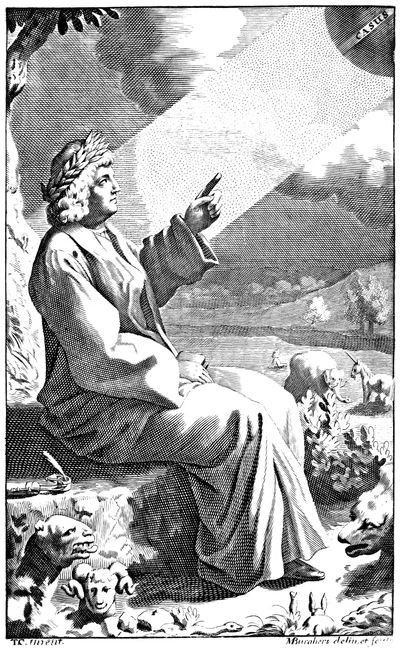
De Rerum Natura. Epikureischer Dichter, der Atome erklaerte, bevor die Wissenschaft geboren wurde.
Gesprächseinstiege
Wie erklärt De rerum natura die Natur des Universums durch Atome?Was hat die epikureische Philosophie Sie über das Finden von Seelenfrieden gelehrt?Warum glaubten Sie, dass das Verstehen der Natur uns von der Angst vor Tod und Göttern befreit?Wie haben Sie Poesie verwendet, um komplexe philosophische Ideen zu vermitteln?
Lebensweg
99 BCGeburt in Rom
Geboren in Rom.
95 BCFrühe Kindheit in Rom
Frühe Kindheit in Rom.
89 BCBeginn der formellen Ausbildung
Beginn der Ausbildung.
85 BCStudium der Philosophie und Literatur
Studium der Philosophie.
80 BCInteresse an epikureischer Philosophie
Interesse an Epikureismus.
75 BCBeginn der Arbeit an De Rerum Natura
Beginn von De Rerum Natura.
70 BCFertigstellung des ersten Entwurfs
Erster Entwurf fertig.
67 BCÜberarbeitung von De Rerum Natura
Überarbeitung des Werks.
65 BCWird prominente Figur in Rom
Prominente Figur in Rom.
62 BCDe Rerum Natura zirkuliert
Werk zirkuliert.
60 BCFortsetzung philosophischer Aktivitäten
Philosophische Aktivitäten.
58 BCPersönliche Herausforderungen
Persönliche Herausforderungen.
56 BCLetzte Überarbeitungen
Letzte Überarbeitungen.
55 BCVeröffentlichung von De Rerum Natura
Veröffentlichung.
54 BCTod in Rom
Tod in Rom.