Quick Facts
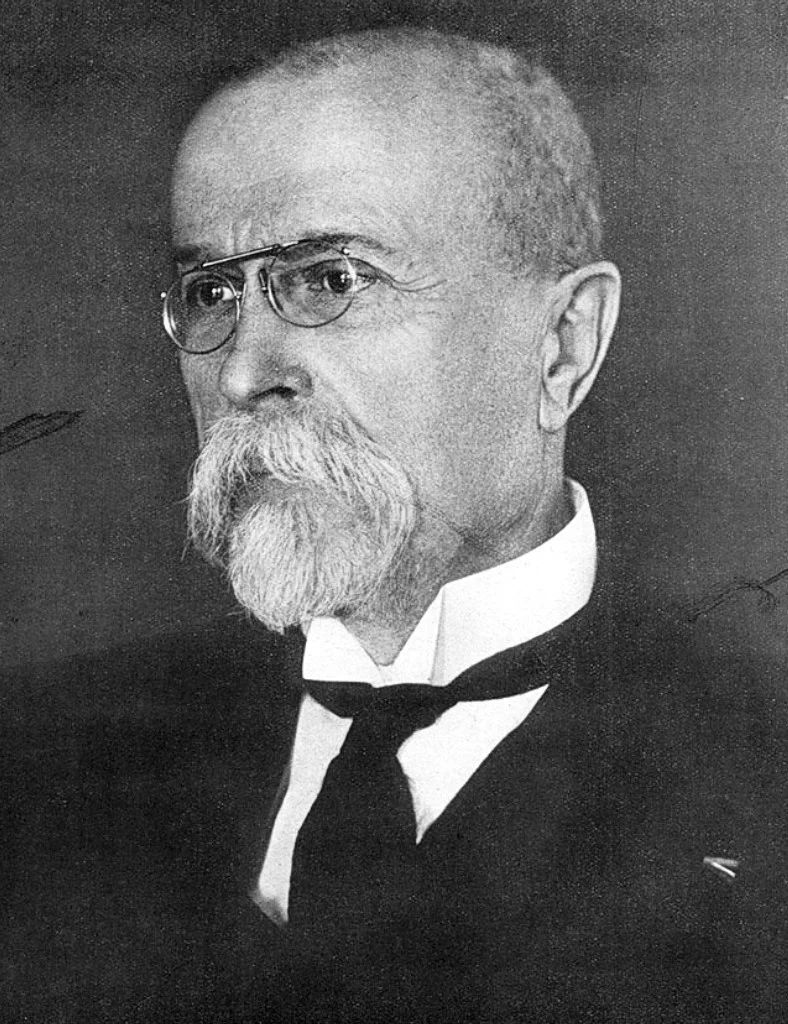
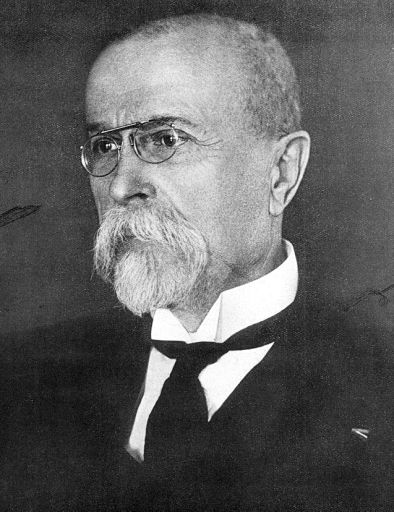
A philosopher-statesman who built democratic Czechoslovakia, championing human rights, reason, and civic responsibility amid empire’s collapse.
Conversation Starters
Life Journey
Born to coachman Jozef Masaryk and Terézia Kropáčková in Hodonín, Moravia, within the Austrian Empire. His humble, multilingual upbringing shaped his later concern for social justice and national self-determination.
As a teenager he worked and studied intermittently, relying on patrons and his own earnings to remain in school. These struggles strengthened his discipline and belief that education should serve ethical and civic ends.
He enrolled at the University of Vienna, immersing himself in philosophy, history, and emerging social science. In the imperial capital he developed a critical approach to nationalism and a lifelong interest in democracy’s moral foundations.
Masaryk completed advanced studies and launched his scholarly path, publishing on philosophy and social questions. His work emphasized rigorous evidence and ethical responsibility, setting him apart within Austro-Hungarian intellectual life.
He married American-born Charlotte Garrigue, a partnership that deeply influenced his views on equality and civic duty. He added “Garrigue” to his name, a symbolic commitment to modern, principled public life and shared ideals.
After the Charles University split into Czech and German institutions, he became a professor at the Czech University. In Prague he trained a new generation of students and argued that national revival required truth, not mythmaking.
Masaryk entered parliamentary politics, seeking reforms within the Austro-Hungarian system while criticizing opportunistic nationalism. His speeches stressed civil liberties, responsibility of elites, and realistic strategies for Czech interests.
Disillusioned by factionalism, he withdrew from conventional party alignment rather than compromise on ethics and evidence-based argument. The episode reinforced his reputation as a moral critic willing to stand alone for public truth.
During the Hilsner Affair, he challenged blood-libel hysteria and defended due process for Leopold Hilsner. His stance provoked fierce hostility in Czech society, but he insisted justice must resist prejudice and political convenience.
He helped organize Czech “Realist” politics to pursue gradual reform, ethical governance, and broader social responsibility. Masaryk argued that democracy depends on educated citizens and moral character, not merely national slogans.
With wider voting rights in the empire, he again served as a deputy, focusing on constitutionalism and minority rights. He used the chamber to critique imperial policy while building credibility as a serious statesman beyond Czech circles.
As war erupted, he concluded the Habsburg monarchy could not be reformed and left for exile to pursue independence. Operating under danger of arrest, he began international lobbying against Austria-Hungary’s wartime legitimacy.
He collaborated closely with Edvard Beneš and Milan Rastislav Štefánik to coordinate diplomacy and propaganda abroad. Their efforts linked Czech and Slovak aims to the Allied cause, framing independence as a democratic necessity.
Masaryk cultivated support among British and French leaders while emphasizing the strategic value of a new Central European state. He also promoted the Czechoslovak Legion’s role, tying military sacrifice to political recognition.
In the United States he met influential figures and presented the Czechoslovak cause as aligned with Woodrow Wilson’s principles. The growing legitimacy of the Czechoslovak National Council helped pave the way for independence.
After Austria-Hungary collapsed, Czechoslovakia was proclaimed and Masaryk was chosen as its founding president. He returned as a unifying symbol, tasked with turning wartime aspirations into functioning democratic institutions.
Under his leadership, the new republic adopted a parliamentary constitution and expanded civil liberties. Masaryk pressed for stable party cooperation and respect for minorities, aiming to anchor democracy in law and education.
Re-elected as president, he navigated economic pressures and growing extremist politics across Europe. His administration promoted alliances and democratic norms, while critics debated the limits of presidential moral authority in party politics.
Declining health led him to resign after long service, and Edvard Beneš assumed the presidency. The transition occurred as Nazi Germany intensified pressure on Central Europe, testing the republic Masaryk helped create.
Masaryk died at his residence in Lány, mourned as the “President-Liberator” of Czechoslovakia. His legacy endured through institutions, democratic ideals, and debates over how morality should guide national politics.