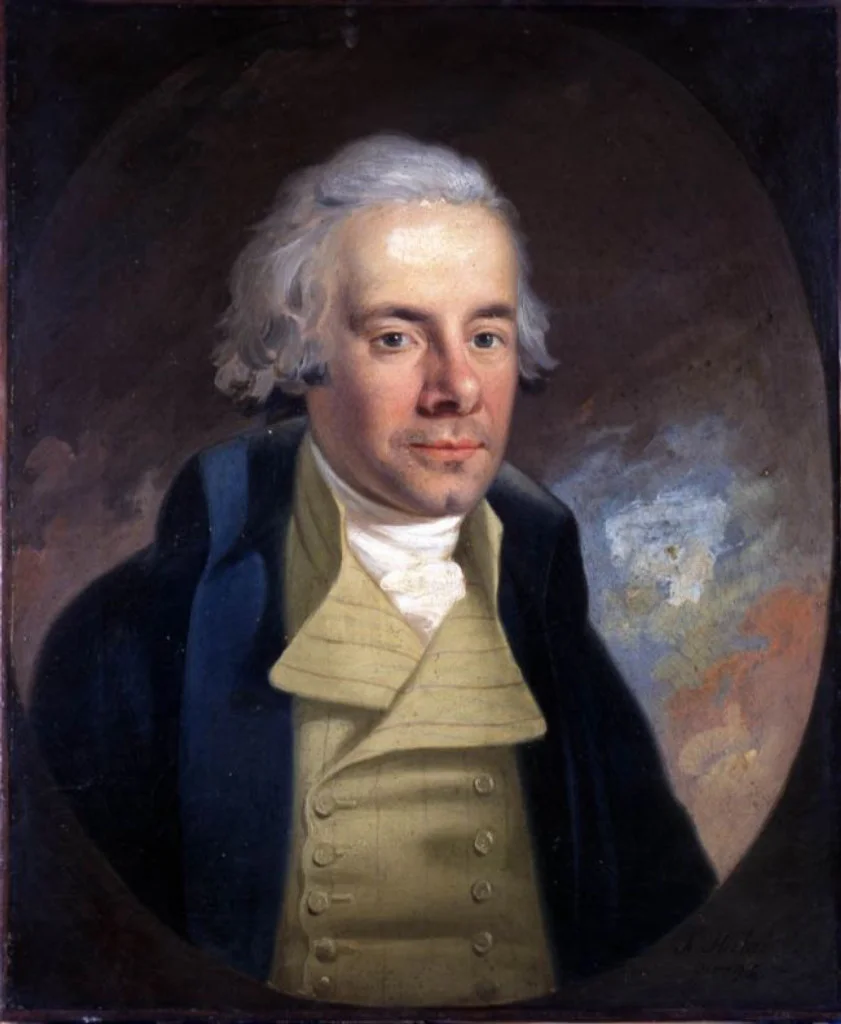
"어메이징 그레이스" — 윌버포스: 영국의 노예무역과 노예제를 종식시켰다.
대화 시작하기
인생 여정
윌리엄 윌버포스는 1759년 8월 24일 헐의 부유한 상인 가문에서 태어났다. 그의 아버지 로버트는 성공한 무역상이었고, 할아버지는 두 번 헐 시장을 역임했다. 가문의 부는 발트해 무역에서 나왔다. 그는 허약하고 시력이 나쁜 아이였지만 일찌감치 지적 잠재력을 보였다.
윌버포스가 여덟 살 때 아버지가 돌아가시고, 그는 런던 윔블던에 있는 삼촌 부부 집으로 보내졌다. 그의 숙모 한나는 감리교인으로 그에게 복음주의 기독교를 소개했지만, 어머니는 종교적 열광을 우려하여 그를 헐로 다시 데려왔다. 이 초기 복음주의 신앙과의 접촉은 나중에 다시 나타나게 된다.
윌버포스는 헐 그래머 스쿨에서 고전 교육을 받았다. 작은 체구와 허약한 건강에도 불구하고 밝은 성격과 뛰어난 언변으로 유명했다. 선생들은 그의 타고난 웅변 능력을 알아봤고, 이는 나중에 의회에서 큰 도움이 되었다.
윌버포스는 신사 학생으로 케임브리지 대학교 세인트 존스 칼리지에 입학했다. 상속받은 재산으로 이미 부유했기에 사치스럽게 생활하며 공부보다 사교에 더 집중했다. 여기서 젊은 윌리엄 피트와 친구가 되었고, 이 우정은 영국 정치를 형성하게 된다. 그의 매력과 재치는 대학 사교계에서 인기를 끌었다.
불과 21세에 윌버포스는 고향 헐을 대표하는 의원으로 선출되었다. 선거 운동에 사재에서 8,000파운드를 썼다. 그의 첫 연설은 청중을 감동시켰고, 타고난 웅변술로 하원에서 가장 뛰어난 연설가 중 한 명으로 빠르게 자리 잡았다.
윌버포스는 잉글랜드에서 가장 명망 있고 까다로운 선거구 중 하나인 요크셔를 대표하는 의원 선거에서 승리했다. 막대한 비용을 들인 이 승리는 그의 정치적 영향력과 인기를 보여주었다. 요크셔의 독립적인 유권자들은 당의 압력에 관계없이 대의를 추구할 수 있는 발판을 제공했다.
아이작 밀너와의 유럽 여행 중 윌버포스는 깊은 영적 회심을 경험하고 복음주의 기독교로 개종했다. 그는 목사가 되기 위해 정계를 떠나는 것을 고려했지만, 전 노예상인에서 찬송가 작사가가 된 존 뉴턴의 설득으로 의회에 남아 그곳에서 하나님을 섬기기로 했다. 이 개종은 그의 삶의 목적을 정의했다.
윌버포스는 일기에 썼다: '전능하신 하나님이 내 앞에 두 가지 위대한 목표를 두셨다. 노예 무역의 억제와 도덕의 개혁이다.' 그는 토머스 클락슨과 노예 무역 폐지 촉진 협회에 합류했다. 피트 수상은 그가 의회에서 폐지를 옹호하도록 격려했다.
윌버포스는 하원에서 노예 무역에 반대하는 첫 번째 주요 연설을 3시간 반 동안 했다. 그는 무역의 참상에 대한 상세한 증거를 제시하며 선언했다: '당신은 외면할 수 있지만, 다시는 몰랐다고 말할 수 없다.' 연설은 의회를 감동시켰지만 동의안은 부결되었다.
윌버포스의 첫 번째 폐지 법안은 163대 88로 부결되었다. 강력한 서인도 로비, 혁명적 프랑스에 대한 두려움, 폐지에 반대하는 경제적 논거가 강력한 장애물이었다. 이 참담한 패배에도 불구하고 윌버포스는 계속 싸우겠다고 맹세하며 매년 폐지 동의안을 제출했다.
윌버포스는 부분적 승리를 거두었고, 의회는 영국 신민이 외국 영토에 노예를 공급하는 것을 금지하는 법안을 통과시켰다. 제한적이었지만, 이는 조류가 천천히 바뀌고 있음을 보여주었다. 진행 중인 프랑스 혁명 전쟁이 폐지 운동을 복잡하게 만들었고, 비평가들은 개혁을 위험한 급진주의와 연결시켰다.
불과 8일간의 짧은 구애 끝에 윌버포스는 바버라 앤 스푸너와 결혼했다. 친구들은 성급한 결혼을 우려했지만, 결혼은 행복하고 오래 지속되었다. 바버라는 그의 일을 헌신적으로 지원했고, 그들은 6명의 자녀를 두었다. 가정생활은 정치적 싸움에서 벗어나 휴식을 제공했다.
윌버포스는 『현행 종교 체계에 대한 실천적 견해』를 출판하여 명목상의 기독교인들에게 진정한 신앙을 촉구했다. 이 책은 베스트셀러가 되어 6개월 만에 5판을 찍었다. 이 책은 영국 사회의 도덕적 개혁에 영향을 미쳤고 빅토리아 시대 잉글랜드를 변화시킨 복음주의 부흥의 시작에 기여했다.
20년간의 운동 끝에 의회는 마침내 노예 무역 폐지법을 통과시켜 대영제국 전역에서 노예 거래를 불법화했다. 투표 결과는 283대 16으로 압도적이었다. 의원들이 윌버포스에게 경의를 표하며 일어섰고, 그는 눈물을 흘리며 앉아 있었다. 이 법은 영국 역사상 가장 위대한 입법적 성취 중 하나이다.
원래 허약했던 윌버포스의 건강이 더욱 악화되어 통증 완화를 위해 점점 더 아편에 의존하게 되었다. 그는 의회와 가까운 켄싱턴 고어의 집으로 가족을 이사시켰다. 질병에도 불구하고 무역의 종식뿐만 아니라 노예화된 사람들의 완전한 해방을 위해 계속 운동했다.
건강 악화로 윌버포스는 요크셔 의석을 사임했지만, 브램버 의원으로 잠시 계속했다. 1825년에 최종적으로 의회를 떠났지만 반노예제 운동에서 활동을 계속했다. 그는 폐지 운동의 지도권을 토머스 포웰 벅스턴에게 넘기면서 의회 밖에서 옹호를 계속했다.
윌버포스는 『흑인 노예를 위해 대영제국 주민들의 종교, 정의, 인도에 호소함』을 발표하여 무역뿐만 아니라 노예제 자체의 완전한 폐지를 촉구했다. 그는 노예제 완화 및 점진적 폐지 협회, 즉 반노예제 협회 설립을 도왔다.
윌버포스는 1833년 7월 29일 사망했다. 대영제국 전역의 80만 노예화된 사람들을 해방시키는 노예제 폐지법이 의회를 통과할 것이라는 소식을 들은 지 불과 3일 후였다. 그는 친구 윌리엄 피트 근처의 웨스트민스터 사원에 안장되었다. 그의 46년간의 폐지 운동은 역사상 가장 위대한 도덕적 성취 중 하나이다.