Quick Facts
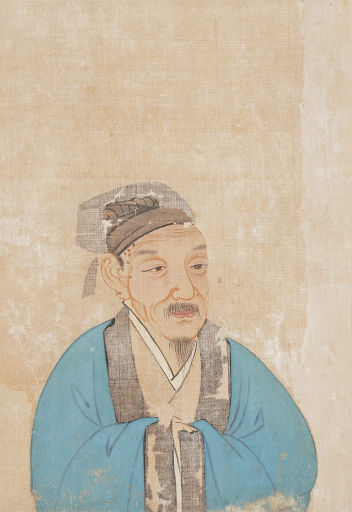
An early Chinese thinker who championed self-preservation, personal autonomy, and skepticism toward sacrificing oneself for grand causes.
Conversation Starters
Life Journey
Yang Zhu was likely born as rival states competed for power and patronized traveling scholars. This era’s debates over ritual, war, and governance shaped the sharp ethical disputes later linked to his name.
Growing up amid Wei’s shifting alliances, he would have seen officials praised for loyalty and condemned for dissent. Such pressure to “serve the state” became a central target of the individual-centered outlook attributed to him.
He is traditionally placed among scholars who read classics while questioning whether ritual and reputation justify risking one’s life. The contrast between public virtue and private survival began to define his emerging stance.
Like other Warring States thinkers, he likely moved between courts offering counsel on ethics and policy. This circuit exposed him to Mohist activism and Confucian moral suasion, sharpening his dissent from both.
Later sources connect him with an ethic that refuses to trade one’s life for abstract ideals or political glory. In an age of conscription and intrigue, the position functioned as a critique of moralized demands for sacrifice.
Writers after him frame his views against Mozi’s program of universal concern and disciplined social utility. Whether or not he met Mohists directly, the polemic shows his name becoming a foil in major ethical arguments.
Accounts portray him as challenging the prestige economy of “righteous death” and reputational honor. His stance resonated with people wary of being used by rulers, yet provoked critics who feared social fragmentation.
Later traditions group him with a school emphasizing the integrity of the person and the protection of life. The label likely simplified diverse ideas, but it ensured that his name anchored debates on individual versus collective claims.
No securely authenticated book by Yang Zhu survives, suggesting his thought traveled through sayings and anecdotes. This oral afterlife made his ideas vulnerable to reframing by opponents writing in Confucian or Mohist contexts.
Texts such as the 'Mencius' later report a claim that he would not sacrifice “one hair” to benefit the world. The story functioned as moral satire in partisan debate, regardless of how closely it matched his real teaching.
As war and statecraft intensified, his attributed message stressed boundaries: what society may demand from a person. The theme challenged heroic martyrdom and redirected attention to safeguarding bodily life and personal agency.
Later compilers sometimes place him near currents that valued spontaneity and minimal coercion. Even if not strictly “Daoist,” his suspicion of imposed virtue helped prepare ground for debates on living according to nature.
Mencius later pairs “Yang Zhu and Mozi” as prominent rival tendencies needing rebuttal. This pairing shows that his name became a benchmark for individualism, used to clarify Confucian ideals of benevolence and social duty.
Ideas attributed to him appear in later writings, including passages associated with the 'Liezi' tradition. These compilations blended entertainment, moral reflection, and philosophy, further obscuring what was originally his.
Yang Zhu is believed to have died in the late Warring States period, leaving no definitive authored text. His legacy persisted mainly through critics and compilers, making him both influential and perpetually contested.