Quick Facts
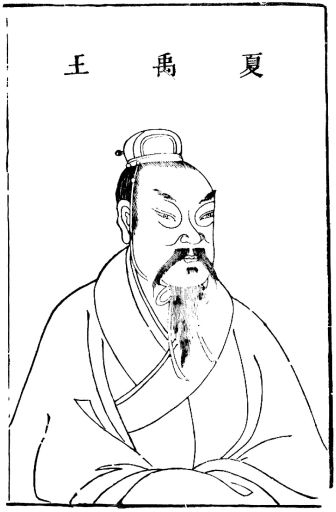
Legendary flood-tamer who channeled rivers, founded a dynasty, and became China’s enduring model of selfless rule.
Conversation Starters
Life Journey
Tradition places Yu’s birth during an era of catastrophic flooding affecting communities across the Yellow River plain. Stories link his lineage to the Xiahou clan and to Gun, whose earlier flood works failed under imperial scrutiny.
As a youth, Yu is said to have learned to read river behavior, soil, and mountain watersheds across the Central Plains. Local elders and officials taught him practical methods for dredging channels and organizing corvée labor without breaking communities.
Court legend remembers Gun’s dike-building strategy as ineffective, worsening disasters when embankments collapsed. Yu’s later reforms are framed as a response to that failure, emphasizing drainage and channeling rather than simply blocking water.
Under the sage-king Shun, Yu is appointed to take charge of flood relief after repeated calamities. The commission made him accountable to the court and to regional leaders, forcing him to coordinate labor, food stores, and engineering decisions.
Yu’s hallmark method redirected waters through dredged riverbeds and new channels rather than relying on high dams alone. The narrative emphasizes careful mapping of tributaries and opening outlets so floods could disperse without destroying farmland.
Flood work demanded massive coordination, so Yu is portrayed assigning tasks to local chiefs while standardizing tools and schedules. Accounts stress his austerity and willingness to eat and sleep with workers, strengthening compliance and morale.
Later classics associate Yu with surveying routes, soils, and waterways that linked distant regions to the Central Plains. The work becomes a blueprint for early governance, tying geography to taxation, transport, and political integration of frontier areas.
A famous moral episode says Yu walked past his own door three times and refused to stop, prioritizing public survival over private life. The story became a Confucian exemplar of duty, cited to praise officials who resisted comfort and favoritism.
After channels reduced flood peaks, Yu is credited with rebuilding agriculture through irrigation ditches and managed wetlands. The narrative links these projects to renewed harvests, stabilized grain stores, and the recovery of villages displaced by water.
Court traditions describe Yu presenting results to Shun and regional lords, demonstrating safer waterways and reopened travel routes. His reputation grows not only as an engineer but as a reliable administrator who could unify competing local interests.
Having proven himself, Yu is depicted taking wider responsibilities beyond waterworks, including adjudication and regional inspections. These duties positioned him as Shun’s foremost successor candidate in narratives about merit-based abdication among sage-kings.
After Shun’s death, Yu is portrayed as receiving the mandate through virtue and public service rather than heredity. Ritual gatherings and alliances among regional leaders are said to confirm his authority, marking a turning point toward dynastic rule.
Yu’s reign is associated with convening lords to coordinate tribute, roads, and shared standards for administration. Later texts frame this as the early scaffolding of state capacity, linking geography, taxation, and legitimacy to practical governance.
In many accounts, Yu’s choice of his son Qi replaces earlier ideals of abdication and establishes hereditary monarchy. The transition is remembered as contentious yet foundational, with Xia later treated as the first dynasty in traditional Chinese history.
Legend says Yu continued touring rivers and regions to ensure flood defenses and governance held together. He dies away from the central court, reinforcing the image of a ruler whose life was spent in motion, labor, and responsibility to the people.
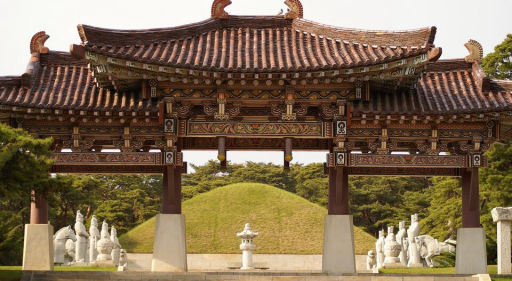
Shrines and commemorations, especially in the Shaoxing area, later venerated Yu as a model of righteous kingship. His story became a touchstone for Confucian political ethics, invoked by officials and historians to argue for diligent governance.