En bref
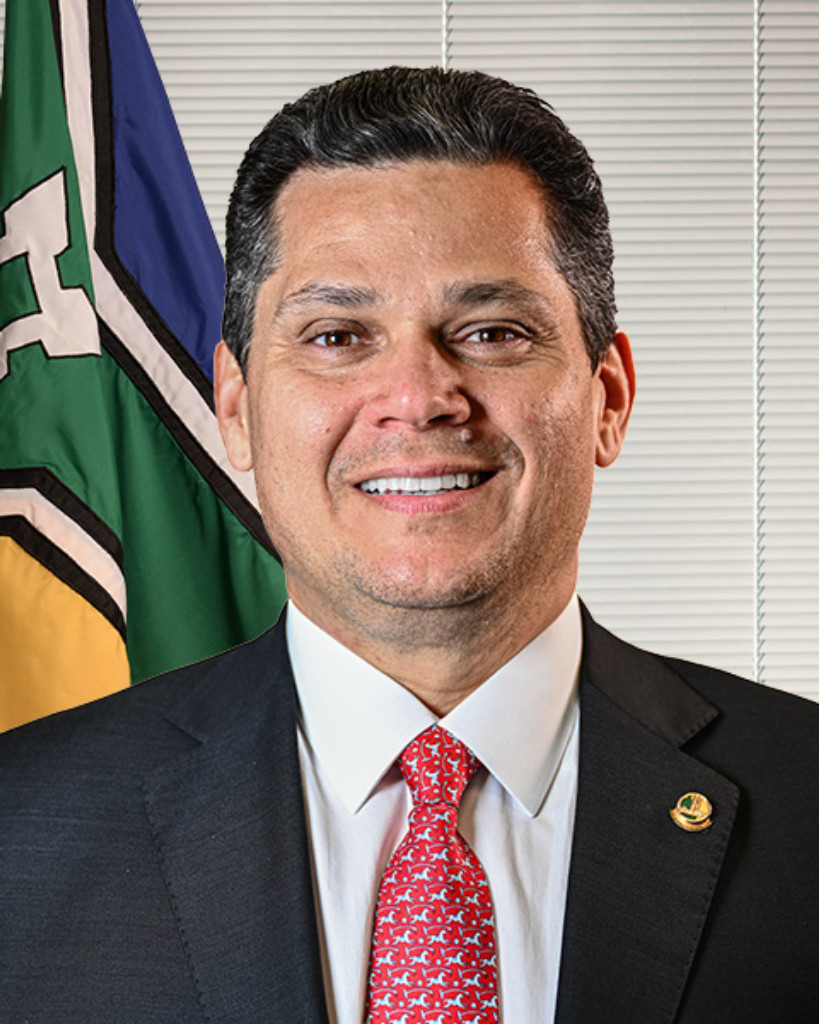
The actor and film producer who became a prominent Brazilian star of the 1970s–1980s pornochanchada sex-comedy film genre.
Sujets de conversation
Parcours de vie
Davi Cardoso was born in 1945 as Brazil shifted from Estado Novo authoritarianism to postwar democracy. His upbringing in Paraná shaped the regional roots behind his later mass-market screen appeal.
As a boy he came of age while Brazilian popular culture expanded through radio and the first TV networks. This entertainment boom created new pathways for aspiring performers from outside Rio and São Paulo.
In his late teens he gravitated toward performance and show-business opportunities in Brazil’s fast-urbanizing centers. The period’s optimism and media growth helped normalize entertainment as a viable career.
The 1964 coup installed a military dictatorship that reshaped film, censorship, and mass culture. Cardoso’s generation learned to navigate tighter controls while popular entertainment still sought broad audiences.
By the late 1960s he was working as an actor within Brazil’s expanding commercial media scene. The same year AI-5 intensified censorship, pushing cinema toward coded comedy and market-friendly genres.
He started to become recognizable in the popular film marketplace that served working-class audiences. This visibility positioned him for the 1970s sex-comedy wave that would define his public image.
Cardoso’s career accelerated as pornochanchada—erotic comedy with farce and satire—grew in theaters. The genre flourished under censorship by emphasizing innuendo and humor over explicit political critique.
By mid-decade he was cast as a dependable lead in commercially successful sex comedies. Producers valued his ability to mix flirtation, slapstick timing, and a populist persona that sold tickets.
He emerged among the best-known faces of the era’s mass-market Brazilian comedies. His popularity reflected a theater-going public seeking escapism during the dictatorship’s controlled liberalization.
Cardoso increasingly took on producer responsibilities, shaping casting, tone, and distribution strategy. This shift mirrored a pragmatic move by stars to secure leverage in a volatile film economy.
In the early 1980s he remained a defining figure of the genre as tastes and censorship boundaries shifted. His films kept the formula commercially viable through star power and consistent output.
His peak years coincided with growing competition from television and changing urban leisure habits. The genre’s popularity began to face pressure even as his name still drew audiences.
Brazil’s return to civilian rule brought new debates about sexuality, censorship, and artistic freedom. Cardoso worked through this transition as the old sex-comedy model started losing its centrality.
Late-1980s Brazilian cinema faced financial instability and shrinking theatrical space. He continued acting and producing, adapting to reduced budgets and the changing market for erotic comedy.
As Brazil entered the Collor years and film policy upheavals, his earlier hits gained retrospective notoriety. Cardoso’s image increasingly represented the 1970s–1980s commercial cinema ecosystem.
In midlife he remained a recognizable celebrity while older films circulated through home video and TV programming. This afterlife helped cement his status as a cult figure of popular Brazilian comedy.
As Brazilian film experienced renewed visibility, viewers revisited earlier commercial genres with fresh curiosity. Cardoso’s work became a reference point for debates on taste, censorship, and mass entertainment.
By the late 2000s he was widely seen as a veteran tied to a specific historical moment in Brazilian popular culture. Public memory emphasized his screen persona and the industry he helped drive.
In his seventies he was frequently cited as a leading representative of pornochanchada’s heyday. His career illustrated how erotic comedy operated as mainstream entertainment under late-dictatorship constraints.
Davi Cardoso died in 2019, closing the life of a performer strongly linked to 1970s–1980s commercial film. He left a legacy as an actor-producer who embodied an influential, contested genre in Brazil’s screen history.