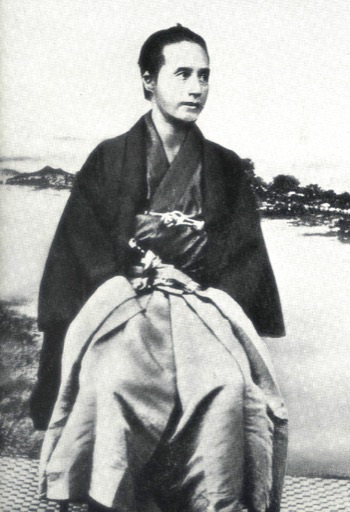
胜海舟(1823-1899)是日本海军之父,幕末明治时期的政治家和海军指挥官。出身下级武士家庭,却凭借自学掌握了兰学和西方海军技术,率领咸临丸完成了日本首次横渡太平洋的壮举。他创建神户海军操练所,培养了�的本龙马等众多人才。戊辰战争期间,他与西乡隆盛谈判实现江户城无血开城,拯救了百万江户市民免遭战火。他的远见卓识和务实精神对日本从封建社会向近代国家的转型至关重要。
对话开场白
人生历程
Born Katsu Rintaro into a low-ranking samurai family in Edo. Despite humble origins, his family valued education and martial arts training.
Started studying Dutch language and Western sciences, recognizing the importance of understanding foreign knowledge for Japan's future.
Submitted a detailed proposal to the shogunate advocating for naval modernization and coastal defense, gaining recognition from officials.
Appointed to the newly established Nagasaki Naval Training Institute, where he studied under Dutch instructors and mastered Western naval techniques.
Commanded the Kanrin Maru on Japan's first transpacific voyage to San Francisco, demonstrating Japanese naval capability to the world.
Established the Kobe Naval Training Center, training future leaders including Sakamoto Ryoma and laying the foundation for Japan's modern navy.
Appointed as the Tokugawa Navy Commissioner (Gunkan Bugyo), becoming the highest naval authority in the shogunate government.
Continued mentoring Sakamoto Ryoma, supporting his vision of a unified Japan and providing naval resources for his activities.
Negotiated with Saigo Takamori for the peaceful surrender of Edo Castle, saving one million residents from war and preserving the city.
Witnessed the end of the Tokugawa shogunate and the beginning of the Meiji era, transitioning from shogunate official to Meiji statesman.
Appointed to various positions in the new Meiji government, contributing his expertise in naval affairs and foreign relations.
Appointed as a Privy Councilor, advising the Emperor on matters of state and continuing to advocate for naval modernization.
Began publishing his memoirs and historical accounts, providing invaluable firsthand documentation of the Bakumatsu period.
Elevated to the rank of Count (Hakushaku) in the new peerage system, recognizing his contributions to Japan's modernization.
Died peacefully in Tokyo at age 75, remembered as the father of the Japanese Navy and the man who saved Edo from destruction.