Kurzinfo
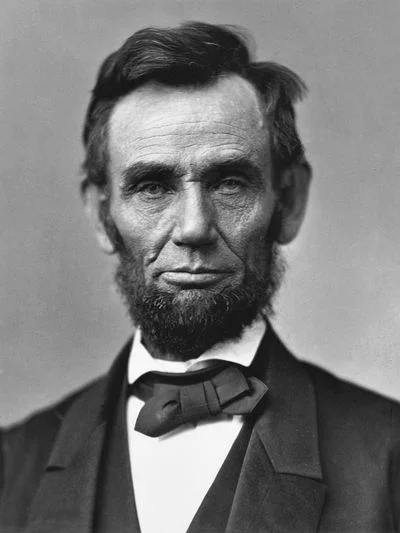
16. Präsident der Vereinigten Staaten. Der große Führer der Sklavenbefreiung, der die Union im Bürgerkrieg bewahrte.
Gesprächseinstiege
Lebensweg
Abraham Lincoln wurde als Sohn von Thomas und Nancy Lincoln in einer Ein-Raum-Blockhütte auf der Sinking Spring Farm bei Hodgenville, Kentucky, geboren. Seine Geburt markierte den Beginn einer der bemerkenswertesten Aufstiegsgeschichten in der amerikanischen Geschichte.
Die Familie Lincoln zog auf eine Grenzfarm in Perry County, Indiana, auf der Suche nach besserem Ackerland und um der Sklavenwirtschaft Kentuckys zu entkommen. Der junge Abraham half seinem Vater, Land zu roden und eine neue Hütte in der Wildnis zu bauen.
Nancy Hanks Lincoln starb an Milchkrankheit, als Abraham erst neun Jahre alt war. Ihr Tod traf ihn tief, und er würde später seiner Stiefmutter Sarah Bush Johnston zuschreiben, dass sie seine Bildung und Liebe zum Lesen förderte.
Lincoln zog nach New Salem, Illinois, wo er als Ladengehilfe, Postmeister und Landvermesser arbeitete. In dieser Zeit begann er sein Selbststudium des Rechts, indem er Blackstones Kommentare und andere juristische Texte las.
Lincoln trat während des Black-Hawk-Krieges in die Miliz von Illinois ein und wurde von seinen Mitsoldaten zum Hauptmann gewählt. Obwohl er keine Kampfhandlungen erlebte, markierte sein Militärdienst seine erste Erfahrung in Führung und öffentlichem Vertrauen.
Lincoln wurde als Mitglied der Whig-Partei in die Generalversammlung von Illinois gewählt und begann damit seine politische Karriere. Er würde vier aufeinanderfolgende Amtszeiten dienen und seine Fähigkeiten als Gesetzgeber und Redner entwickeln.
Lincoln wurde als Anwalt in Illinois zugelassen und zog nach Springfield, um seine Anwaltspraxis zu beginnen. Er erlangte schnell einen Ruf für Ehrlichkeit und juristische Fähigkeiten und wurde einer der erfolgreichsten Anwälte des Staates.
Abraham Lincoln heiratete Mary Todd in Springfield, Illinois. Mary stammte aus einer prominenten Familie in Kentucky und teilte Lincolns Interesse an Politik. Zusammen hatten sie vier Söhne, von denen nur einer das Erwachsenenalter erreichte.
Lincoln wurde in das US-Repräsentantenhaus gewählt und diente eine Amtszeit. Er lehnte den Mexikanisch-Amerikanischen Krieg ab und brachte die 'Spot-Resolutionen' ein, die verlangten, den genauen Ort zu erfahren, an dem zuerst amerikanisches Blut vergossen wurde.
Lincoln hielt seine berühmte Rede vom 'gespaltenen Haus' bei der Annahme der republikanischen Nominierung für den Senat und erklärte, dass 'ein gegen sich selbst gespaltenes Haus nicht bestehen kann'. Diese Rede etablierte ihn als führende Stimme gegen die Ausbreitung der Sklaverei.
Lincoln führte eine Reihe von sieben Debatten mit Stephen A. Douglas während des Senatswahlkampfes in Illinois. Obwohl er die Wahl verlor, brachten ihm die Debatten nationale Aufmerksamkeit und etablierten seine Argumente gegen die Ausbreitung der Sklaverei.
Abraham Lincoln wurde zum 16. Präsidenten der Vereinigten Staaten gewählt und besiegte drei Gegner in einem Vier-Wege-Rennen. Seine Wahl auf einer gegen die Sklavereiausbreitung gerichteten Plattform löste die Sezession der Südstaaten aus.
Der Bürgerkrieg begann, als konföderierte Truppen Fort Sumter angriffen. Lincoln rief 75.000 Freiwillige auf, um die Rebellion zu unterdrücken, und begann damit den blutigsten Konflikt in der amerikanischen Geschichte, der über 600.000 Menschenleben fordern sollte.
Lincoln unterzeichnete das Homestead-Gesetz, das Siedlern 160 Morgen öffentliches Land zur Verfügung stellte, die es fünf Jahre lang bewirtschaften würden. Diese wegweisende Gesetzgebung öffnete den Westen für Millionen von Amerikanern und veränderte die Landschaft der Nation.
Lincoln erließ die Emanzipationsproklamation, die alle Sklaven in von den Konföderierten gehaltenen Gebieten für immer frei erklärte. Diese Verfügung verwandelte den Bürgerkrieg in einen Krieg für die menschliche Freiheit und ebnete den Weg für den Dreizehnten Verfassungszusatz.
Lincoln hielt die Gettysburg-Rede bei der Einweihung des Soldiers' National Cemetery. In nur 272 Worten definierte er den Bürgerkrieg als Kampf für Gleichheit und Demokratie neu und schuf eine der berühmtesten Reden der Geschichte.
Lincoln gewann die Wiederwahl gegen den Demokraten George McClellan und sicherte sich 55% der Stimmen. Sein Sieg gewährleistete die Fortsetzung des Krieges bis zur Kapitulation der Konföderierten und die Abschaffung der Sklaverei.
Abraham Lincoln wurde von John Wilkes Booth im Ford's Theatre erschossen, während er eine Theateraufführung besuchte. Er starb am nächsten Morgen und wurde der erste US-Präsident, der ermordet wurde. Sein Tod erfolgte nur wenige Tage nach der Kapitulation der Konföderierten in Appomattox.