Datos rápidos
Brillante teólogo y filósofo que transformó el pensamiento islámico al unir el derecho, la espiritualidad y una crítica rigurosa de la filosofía.
Inicios de conversación
Trayectoria vital
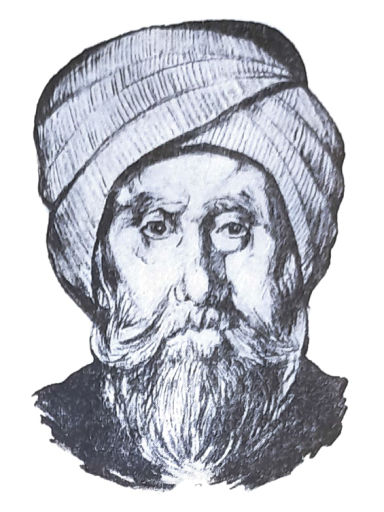
Nació Abu Hamid Muhammad ibn Muhammad al-Ghazali en Tus, cerca de Mashhad, en el actual Irán. Criado en una región marcada por el poder selyúcida y por redes académicas muy activas, más tarde se convirtió en una de las voces más influyentes del islam suní.
Tras la muerte de su padre, él y su hermano Ahmad quedaron al cuidado de un amigo piadoso que sostuvo sus estudios. En madrasas locales memorizó textos fundamentales y aprendió las ciencias religiosas árabes en medio de la intensa vida intelectual de Jorasán.
Viajó a Yurján para profundizar en la jurisprudencia shafií y en la teoría del derecho bajo maestros reconocidos. El viaje lo expuso a métodos disciplinados de madrasa y a la cultura competitiva del debate erudito en el este de Irán.
Ingresó en la Nizamiyya de Nishapur y estudió con el imán al-Haramayn al-Yuwaynî, destacado teólogo asharí. Se formó en teología dialéctica, lógica y fundamentos de la jurisprudencia, ganando pronto reputación por su agudeza en la disputa.
Tras la muerte de al-Yuwaynî, se vinculó al visir selyúcida Nizam al-Mulk, patrono de los eruditos y del sistema Nizamiyya. En reuniones cortesanas debatió con juristas y teólogos, ganando visibilidad política y prestigio.
Nizam al-Mulk lo designó para enseñar en la célebre Nizamiyya de Bagdad, una de las principales instituciones del mundo islámico. Dictó lecciones ante grandes audiencias de eruditos y funcionarios, influyendo en el discurso jurídico y teológico suní.
Nizam al-Mulk fue asesinado y el sultán Malik Shah murió poco después, desestabilizando la política selyúcida. La incertidumbre sobre el patronazgo y la rivalidad entre facciones incrementaron la presión sobre los eruditos en Bagdad, incluida la propia posición de al-Ghazali.
Sufrió una profunda crisis de duda y sinceridad, y describió una incapacidad para hablar y enseñar pese a su fama. Abandonó su cargo y su patrimonio familiar, y emprendió una búsqueda de certeza mediante el ascetismo y la reforma interior.
En Damasco vivió en reclusión, dedicado a la oración, el ayuno y la meditación dentro del recinto de la Mezquita Omeya. El retiro fortaleció su atracción por las disciplinas sufíes y replanteó la erudición como purificación moral.
Viajó a Jerusalén y continuó su retiro cerca de la Cúpula de la Roca, reflexionando sobre la mortalidad y la responsabilidad espiritual. El paisaje sagrado de la ciudad y su cultura de peregrinación reforzaron su convicción de que la ética debe moldear la creencia y la ley.
Realizó el hayy en La Meca y visitó la Mezquita del Profeta en Medina, integrando la peregrinación en un programa de renovación interior. Estos viajes afianzaron su autoridad en la devoción vivida, no solo en la disputa y las credenciales formales.
Durante años de viaje y reclusión redactó amplias secciones de La revitalización de las ciencias religiosas, combinando derecho, teología y ética sufí. La obra ofreció guía práctica sobre el culto y el carácter, y se convirtió en una piedra angular de la piedad suní.
Compuso La incoherencia de los filósofos, donde criticó la metafísica inspirada en Avicena en cuestiones como la eternidad del mundo y el conocimiento divino de los particulares. El libro reorientó los debates entre razón y revelación y más tarde provocó la réplica de Ibn Rushd.
Presionado por funcionarios y preocupado por la orientación pública, reanudó la enseñanza en la Nizamiyya de Nishapur. Enfatizó la sinceridad, la teología ortodoxa y una espiritualidad disciplinada, intentando reformar la cultura académica desde dentro de las instituciones.
Regresó a Tus, donde enseñó a un grupo selecto de alumnos y fomentó un entorno modesto, similar a una zawiya, junto con la instrucción jurídica. Este periodo más tranquilo le permitió afinar su síntesis entre el derecho shafií, la teología asharí y la práctica sufí.
En La liberación del error narró su itinerario intelectual por la filosofía, la teología y el sufismo para explicar cómo buscó la certeza. La claridad autobiográfica ayudó a lectores posteriores a comprender su crítica del formalismo vacío en el aprendizaje.
Murió en Tus y fue recordado por sus alumnos como un sabio que unía el rigor argumentativo con la disciplina espiritual. Sus escritos influyeron en el derecho islámico, la ética, la teología y los debates filosóficos posteriores en Oriente Medio y más allá.