Quick Facts
A luminous Russian ballerina whose ethereal artistry and relentless touring made classical ballet a global phenomenon.
Conversation Starters
Life Journey
Born in Saint Petersburg in the Russian Empire, she grew up in modest circumstances amid the city’s grand theater culture. Early exposure to performance and music helped shape an intense ambition to dance professionally.
After seeing a Mariinsky Theatre ballet, she became determined to join the Imperial Ballet world. The spectacle of Saint Petersburg’s court-supported arts convinced her family to support rigorous training.
She was admitted to the Imperial Ballet School, where discipline, musicality, and technique were drilled daily. Teachers shaped her distinctive style, emphasizing lyricism and refined port de bras over sheer athleticism.
Upon graduation, she joined the Mariinsky (Imperial) Ballet, entering a fiercely competitive ensemble system. She began earning solo opportunities as directors and choreographers noticed her musical sensitivity and stage presence.
Her rise to principal roles marked her as a major star within Russia’s premier ballet institution. Performances in Saint Petersburg drew elite audiences and critics who praised her expressive upper body and delicate line.
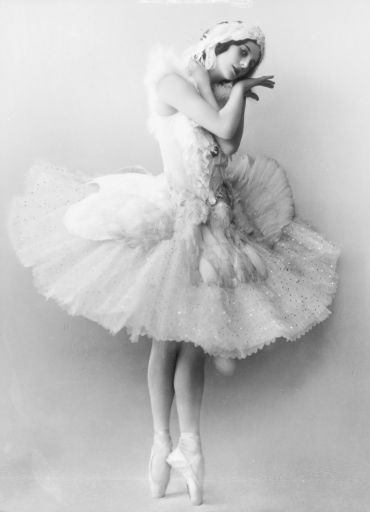
Choreographer Michel Fokine crafted 'The Dying Swan' for her to Camille Saint-Saëns’s music, tailoring every gesture to her dramatic nuance. The short solo became her signature, touring icon, and enduring symbol of classical expressiveness.
She performed in Paris to enthusiastic audiences fascinated by Russian ballet’s refinement and theatricality. The city’s artistic circles helped amplify her fame across Europe, linking her name with modern cultural excitement.
She joined Sergei Diaghilev’s influential Ballets Russes presentations, which reshaped Western ballet tastes. Her presence helped legitimize Russian dancers abroad, even as artistic differences pushed her toward independence.
Choosing autonomy, she assembled a company and began organizing extensive international tours. This move let her curate repertory and partners while bringing classical ballet to cities that had rarely seen a world-class ballerina.
She made her home at Ivy House in Hampstead, building a personal haven amid nonstop travel. The residence became associated with her public image, including her love of animals and carefully managed artistic life.
Her company toured widely in North and South America, performing classical favorites and showpieces. Local theaters marketed her as a rare European star, helping ballet gain mainstream attention beyond elite urban audiences.
When World War I disrupted European travel and patronage, she adapted by re-routing tours and maintaining her ensemble. Her persistence preserved livelihoods for dancers and kept ballet visible during a period of upheaval.
The Russian Revolution transformed the institutions that had trained and employed her, making return uncertain. She continued working abroad, becoming a symbol of the pre-revolutionary Imperial ballet tradition for foreign audiences.
She took classical ballet to audiences across Asia and Oceania, often performing in major colonial-era theaters. Reviews marveled at her musical phrasing and purity of style, inspiring local dance students and presenters.
By the early 1920s, her name carried marketing power comparable to top opera and theater stars. She used that fame to sustain a demanding schedule and reinforce ballet’s status as an international high art.
She repeatedly performed signature works like 'The Dying Swan' alongside classical variations tailored to her strengths. The relentless pace required careful management of dancers, costumes, and venues across multiple continents.
While traveling, she fell seriously ill yet remained focused on performing commitments that defined her identity. Colleagues and presenters in major European cities watched anxiously as her health deteriorated amid scheduled appearances.
She died in The Hague, and tributes spread rapidly through theaters and newspapers worldwide. Her touring model, distinctive lyricism, and iconic solos helped cement ballet as a global art form long after her passing.