Datos rápidos
Un astuto príncipe cruzado que se convirtió en el primer rey de Jerusalén, forjando un reino frágil mediante la guerra, la diplomacia y la audacia.
Inicios de conversación
Trayectoria vital
Nacido como Balduino de Boulogne, hijo menor del conde Eustaquio II e Ida de Lorena, dentro de un poderoso linaje del norte de Francia. Sus perspectivas dependían del avance eclesiástico y de alianzas dinásticas, más que de heredar el condado.
Como hijo menor, Balduino siguió una carrera eclesiástica y ocupó cargos vinculados a la red catedralicia del norte de Francia. Esa educación afinó su alfabetización, su capacidad administrativa y su instinto político, que más tarde aplicó en el gobierno cruzado.
Balduino dejó la vida clerical y se casó con Godehilde, buscando tierras y estatus mediante el gobierno secular. El cambio reflejaba un mundo aristocrático competitivo, donde el liderazgo militar ofrecía un ascenso más rápido que la Iglesia.
Atendiendo al llamamiento del papa Urbano II, Balduino se unió a su hermano Godofredo de Bouillón y a su pariente Eustaquio III entre los contingentes del norte de Francia. La expedición atravesó los Balcanes rumbo a Constantinopla, negociando paso y suministros en medio de tensas políticas locales.
Durante la marcha por Anatolia, Balduino se separó del grueso del ejército cruzado para buscar oportunidades en las tierras fronterizas armenias y sirias. La decisión lo colocó en posición de construir una base de poder independiente, en vez de seguir como comandante subordinado.
Invitado por Toros de Edesa en medio de amenazas regionales, Balduino maniobró para ser adoptado y luego lo desplazó, quedándose con la ciudad. Fundó el Condado de Edesa, el primer estado cruzado latino, apoyándose en alianzas armenias y guarniciones.
Tras la muerte de Godehilde durante la cruzada, Balduino se casó con Arda de Armenia, vinculándose a influyentes familias cristianas orientales. El matrimonio reforzó su legitimidad en Edesa, donde las élites armenias y el clero eran cruciales para la recaudación y la defensa.
Cuando el ejército cruzado capturó Jerusalén, Balduino permaneció en Edesa para consolidar la frontera septentrional frente a contraataques musulmanes. Su base de poder separada lo convirtió en una figura decisiva en la política sucesoria del nuevo reino latino.
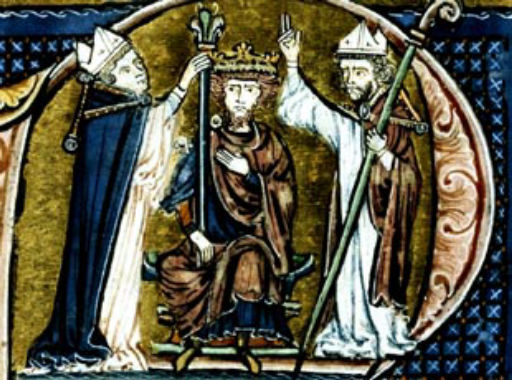
Tras la muerte de Godofredo de Bouillón, los dirigentes de Jerusalén buscaron una autoridad monárquica más firme y llamaron a Balduino desde Edesa. Fue coronado rey, transformando una conquista frágil en un reino de carácter hereditario, con estructuras de mando más claras.
Balduino amplió la autoridad real al colocar a nobles leales en feudos clave y reforzar castillos estratégicos que controlaban caminos y fuentes de agua. Cultivó vínculos con comunidades cristianas orientales para estabilizar impuestos, suministros y redes locales de información.
Ante repetidas invasiones desde el Egipto fatimí, Balduino combatió cerca de Ramla para proteger la llanura costera y el acceso a Jerusalén. Sus campañas combinaron tácticas agresivas de caballería con una rápida movilización de caballeros, sargentos y milicias locales.
Balduino tomó Acre, un puerto crucial, con ayuda decisiva de flotas genovesas que aportaron pericia en asedios y control del mar. La conquista abrió ingresos comerciales, rutas de inmigración y líneas marítimas de abastecimiento que hicieron al reino estratégicamente sostenible.
Los ejércitos fatimíes avanzaron de nuevo desde el sur, buscando hacer retroceder la presencia cruzada en torno a Jerusalén. El contraataque de Balduino preservó las tierras centrales del reino y reforzó su reputación de comandante combativo y dispuesto a asumir riesgos.
Balduino apartó a Arda y se casó con Adelaida del Vasto, una rica regente normanda de Sicilia, buscando fondos y herederos. La unión mostró su diplomacia pragmática, pero crecieron las tensiones porque los líderes eclesiásticos cuestionaron su legalidad y sus implicaciones políticas.
Con presión sostenida y ayuda naval externa, Balduino capturó Beirut, conectando aún más el reino con el tráfico del Mediterráneo. El control costero mejoró los ingresos aduaneros, el transporte de tropas y la capacidad de recibir refuerzos desde Europa.
Balduino extendió la influencia real hacia el este, impulsando fortificaciones que vigilaban rutas de caravanas y amenazaban las comunicaciones de potencias rivales. Estas medidas dieron profundidad estratégica al reino, uniendo castillos del desierto a una red de señores leales y guarniciones.
Balduino enfermó durante una campaña destinada a presionar al Egipto fatimí y regresó al norte con la salud quebrantada. Murió y fue sucedido por su primo Balduino II, dejando un reino más amplio y conectado, aunque aún rodeado de enemigos formidables.