Quick Facts
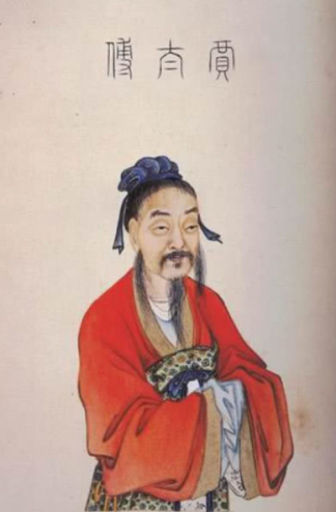
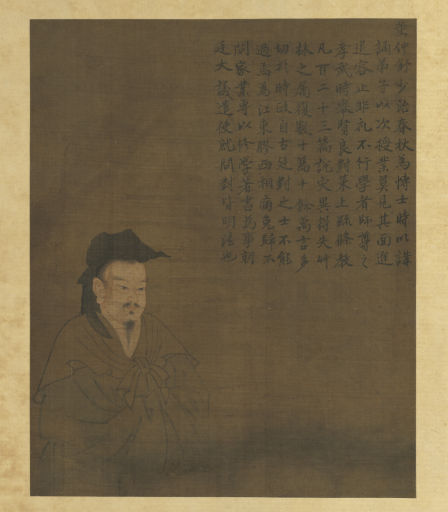
A sharp-tongued Han court jester-scholar who used satire and wit to critique power and advise emperors.
Conversation Starters
Life Journey
Dongfang Shuo was born during the Western Han period, when the Liu imperial house was consolidating power and culture. Later sources link him to the Qi region, famed for learning and bold rhetoric, shaping his early ambitions.
As a teenager, he immersed himself in classical learning and the craft of memorial writing used by officials to address the throne. Stories emphasize his quick memory and love of paradox, skills prized in Han political debate.
When Emperor Wu of Han (Liu Che) took the throne, the court began recruiting talent for an expansive, ambitious reign. Dongfang Shuo saw an opening for unconventional advisers and prepared to seek service in the capital.
He journeyed to Chang'an, the vast imperial capital filled with officials, scribes, and competing schools of thought. There he tried to stand out among petitioners by combining erudition with a comic, disarming style.
Dongfang Shuo reportedly presented a long, flamboyant memorial praising his own abilities in order to force attention from gatekeepers. The performance fit Emperor Wu's taste for talent and spectacle, earning him a place on the court’s radar.
He received a low-ranking appointment, likely among the palace attendants and scribal staff who served the inner court. From this vantage point he learned protocol, observed factions, and honed satire as a survival tool.
In audiences and banter, he offered veiled criticism of policies and personalities without the bluntness that could invite punishment. His wit made Emperor Wu laugh, yet often carried a moral edge aimed at restraint and prudence.
Court anecdotes circulated about his clever replies and fearless teasing, building a reputation beyond his rank. The stories portray him as an insider-outsider who could speak truths others avoided, protected by comedy’s ambiguity.
As Emperor Wu expanded diplomacy and warfare, the court grew more intense, with rewards and punishments arriving swiftly. Dongfang Shuo’s role as entertainer-adviser let him comment on excess while avoiding direct alignment with dangerous factions.
He joined the culture of disputation in Chang'an, where learned men argued classics, omens, and governance in front of patrons. His talent lay in turning scholarly points into vivid, humorous analogies that people remembered.
Later tradition depicts him flirting with immortality themes while remaining grounded in bureaucratic life. This blend mirrored Emperor Wu’s era, when interest in spirits and longevity coexisted with hard-edged administration and law.
By midlife he had become a recognizable figure at court, valued for keeping conversations lively and for offering warnings without open confrontation. His anecdotes spread among officials, reinforcing the ideal of “remonstrance by laughter.”
Emperor Wu’s reign featured elaborate rituals and grand displays meant to project cosmic legitimacy. Dongfang Shuo’s presence in such settings reflects how performance, rhetoric, and governance intertwined in the Western Han political theater.
Accounts emphasize his tendency to puncture extravagance with pointed jokes that highlighted ordinary suffering. In a court driven by conquest and monumental projects, his humor served as a reminder that policy had consequences beyond the palace walls.
Even while alive, his sayings were repeated like set pieces, shaping how later writers remembered Emperor Wu’s court. The mix of fact and embellishment turned him into a literary archetype: the clever man who survives power with wit.
As new favorites rose and court priorities changed, he appears less central in later years. His enduring safety in a volatile environment underscored his skill at reading rooms, timing jokes, and choosing battles carefully.
Dongfang Shuo died in the Western Han after a long career defined by satire, audacity, and shrewd self-preservation. Later historiography and popular literature kept his image alive as the model of the witty counselor to a powerful ruler.