Quick Facts
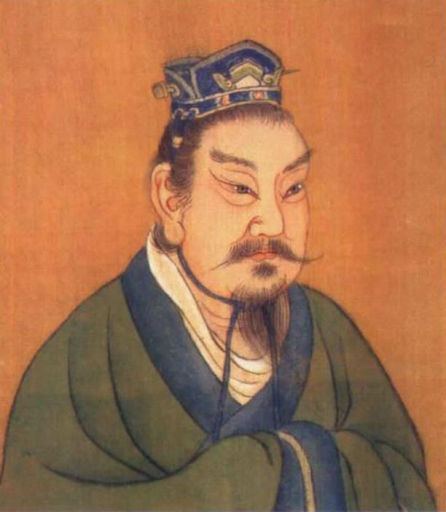
A powerful Han dynasty general whose abrupt fall ignited court violence and helped fracture imperial authority.
Conversation Starters
Life Journey
He Jin was born in Nanyang Commandery during the Eastern Han, likely near modern Nanyang. His family was locally prominent but not among the great metropolitan clans, shaping his later reliance on kinship and military power.
As a young man in Nanyang, He Jin strengthened connections with local gentry and armed retainers. These relationships, common in late Han society, later helped him mobilize support when politics in Luoyang turned violent.
He Jin’s sister, Lady He, entered Emperor Ling’s palace and gained favor amid intense harem rivalries. Her elevation created a direct bridge between the He clan and the highest court circles in Luoyang.
With Lady He’s growing status, the He family gained titles and access to offices reserved for imperial relatives. He Jin benefited from this kinship promotion, a common late Han pattern that angered established aristocrats.
He Jin received high military responsibilities tied to protecting the court and capital region. The appointment placed him in direct competition with palace eunuch factions who controlled appointments, finances, and access to the emperor.
When the Yellow Turban Rebellion erupted, He Jin was entrusted with mobilizing troops in defense of the dynasty. The emergency expanded generals’ authority and normalized private armies, weakening the court’s monopoly on force.
He Jin rose to General-in-Chief, becoming the top military figure in Luoyang and a leading voice at court. His position relied heavily on Empress He’s backing, while eunuchs guarded their own influence over Emperor Ling.
He Jin cultivated alliances with prominent officials and elite families, including figures connected to Yuan Shao’s circle. Their shared goal was to curb the eunuchs, who were blamed for corruption, patronage, and persecution of critics.
Border tensions and internal uprisings forced He Jin to balance military deployments with palace politics. The strain highlighted how the late Han depended on strongmen, while the emperor’s household and eunuchs competed over policy and revenue.
He Jin increasingly discussed eliminating the powerful eunuch group later remembered as the Ten Attendants. Advisors urged speed, but palace access was controlled by the eunuchs, making any coup dependent on timing and imperial consent.
After Emperor Ling’s death, the court split over the heir and regency arrangements. Empress Dowager He wielded formal authority, while He Jin tried to translate military command into political control amid escalating fear of eunuch retaliation.
He Jin backed Liu Bian’s enthronement as Emperor Shao, strengthening the He family’s standing at court. The choice intensified rivalry with factions favoring the younger Liu Xie and increased the stakes of any move against the eunuchs.
To intimidate the eunuchs and force Empress Dowager He’s approval, He Jin invited regional commanders toward Luoyang, including Dong Zhuo from the northwest. The decision militarized politics and made the capital vulnerable to warlord seizure.
Eunuch leaders lured He Jin into the palace, exploiting the dowager’s hesitation and the court’s confusion. He was killed in a sudden attack, collapsing his faction’s command structure at the moment confrontation became unavoidable.
After He Jin’s death, Yuan Shao and allied troops stormed the palace and slaughtered many eunuchs and suspected collaborators. The chaos let Dong Zhuo enter Luoyang with troops, dominate the court, and accelerate the dynasty’s disintegration.