Quick Facts
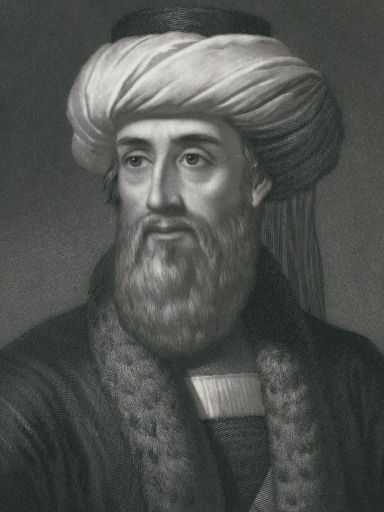
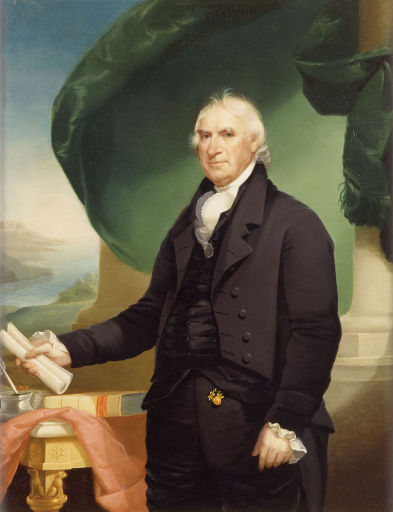
A devoted priest-scribe who revived Jewish law and identity after exile, reshaping Jerusalem’s religious life.
Conversation Starters
Life Journey
Born into a family claiming descent from Aaron through the high priestly line, Ezra grew up under the Achaemenid Persian Empire. His early formation emphasized temple traditions and the authority of written Torah in exilic and post-exilic Judaism.
As a youth, Ezra apprenticed in scribal circles that preserved Hebrew and Aramaic documents among the Judean diaspora. He learned to copy, interpret, and teach legal traditions, skills prized in imperial Persian administration and Jewish communal life.
Ezra’s reputation grew as a priest-scribe who combined ritual knowledge with careful interpretation of the Law of Moses. Community leaders consulted him on purity rules, festivals, and identity boundaries that distinguished Judeans among surrounding peoples.
Living within Persian governance, Ezra navigated the realities of imperial permits, taxes, and local courts that affected diaspora Jews. His experience with official correspondence and legal norms prepared him to negotiate future authority for Jerusalem reforms.
Reports from Judah described a rebuilt but fragile community where temple worship and social boundaries were contested. Ezra emerged as an advocate for renewed Torah-centered practice, emphasizing covenant faithfulness amid cultural pressure in the province of Yehud.
Tradition records that King Artaxerxes granted Ezra a royal commission, resources, and authority to appoint judges and teach the law. The decree framed Torah observance as compatible with imperial stability, giving Ezra political cover for strong reforms in Yehud.
Ezra assembled families, priests, and Levites, carefully listing groups to ensure legitimate community representation. He sought additional Levites for temple service, underscoring that worship, teaching, and administration required trained personnel, not only enthusiasm.
Before departure, Ezra called the caravan to fasting and prayer, publicly expressing reliance on Israel’s God rather than a Persian military escort. The act blended devotion with leadership, reinforcing that their mission was spiritual restoration as well as migration.
The group transported silver, gold, and vessels dedicated for the Jerusalem temple, entrusted to priestly guardians for accountability. The long journey across Mesopotamia and the Levant tested cohesion, but arrival marked a new chapter for post-exilic leadership.
Ezra presented documents to officials “Beyond the River,” integrating Jerusalem’s needs into Persian provincial administration. The correspondence helped secure supplies and legitimacy, showing how religious renewal in Yehud operated within Achaemenid bureaucratic networks.
Soon after arrival, Ezra learned that some priests and prominent Judeans had married women from neighboring peoples, raising fears of religious assimilation. He reacted with mourning rites, dramatizing the crisis and signaling that covenant identity required difficult choices.
In the temple area, Ezra prayed aloud, recounting Israel’s history of exile and mercy to frame the community’s guilt and hope. His prayer gathered crowds, turning private scandal into communal reckoning and establishing moral authority for collective reform.
Ezra and local leaders summoned people to Jerusalem, using assembly procedures to formalize decisions rather than rely on rumor. The process linked law to governance, treating the Torah as the constitution of the restored community under Persian-era conditions.
A commission reviewed cases over months, documenting names and decisions with scribal precision that emphasized transparency. The records functioned as a boundary marker for the emerging Jewish community, shaping later debates about lineage, purity, and belonging.
Ezra’s identity as “scribe of the Law” made instruction as important as ritual, encouraging regular hearing and learning of scripture. His role helped shift post-exilic Judaism toward text-centered practice, where communal life was organized around written tradition.
Later tradition links Ezra with Nehemiah’s governance, where public reading of the Law and covenant commitments reinforced social and religious reconstruction. Together these reforms strengthened Jerusalem’s institutions, integrating worship, law, and civic order in Yehud.
Jewish and Christian traditions often credit Ezra with preserving, editing, or promoting authoritative scriptures after the exile. Whether or not every attribution is historical, his legacy embodies the rise of the scribe as guardian of communal memory and law.