Quick Facts
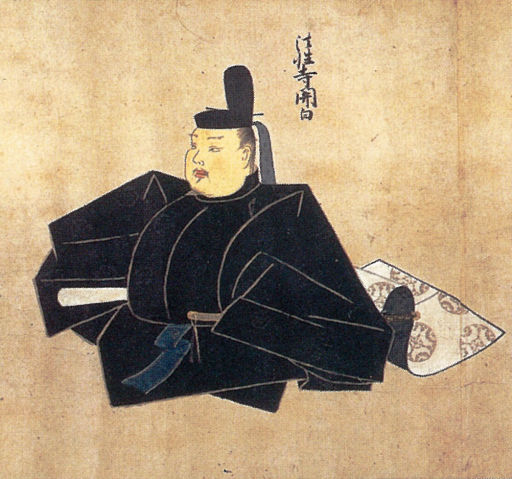
A powerful Heian court regent who steered imperial politics, patronized Buddhism, and navigated fierce aristocratic rivalries.
Conversation Starters
Life Journey
Born in the capital to Fujiwara no Tadazane, a leading regent, and raised amid the rituals of Heian court rule. From infancy he was positioned to inherit the northern Fujiwara family’s political machinery and networks.
He entered elite training in court precedent, classical learning, and ceremonial protocol under Fujiwara tutors close to his father. The curriculum prepared him to manage appointments, petitions, and imperial audiences at Kyoto’s palace.
He obtained initial ranks typical for a regent heir, learning to navigate factional etiquette among aristocratic houses. Exposure to daily governance taught him how promotions and land revenues underwrote influence in the capital.
As his standing grew, he cultivated alliances around the reigning emperor and influential retired sovereigns in the cloistered court system. These ties helped him compete with rival lineages for offices, estates, and ceremonial prestige.
He advanced into senior ministerial work, participating in decisions that balanced Fujiwara interests with imperial demands. The post required close coordination with palace officials, shrine networks, and provincial estate managers.
He rose to Kampaku, acting as chief mediator between the emperor and the bureaucracy as the Fujiwara regency tradition persisted. He managed court appointments and policy consultations while navigating pressure from cloistered rulers.
He reinforced legitimacy by sponsoring major Buddhist rites and supporting prominent temples that shaped public religiosity. Such patronage bound monks, courtiers, and estate stewards to his household through favors and obligations.
He operated within a political landscape where retired emperors exerted power from separate residences, complicating regent control. Negotiation and ceremony became tools for avoiding open rupture while preserving Fujiwara primacy.
He held the Sessho regency role associated with guiding an underage ruler, reinforcing his family’s traditional claim to guardianship. The office demanded careful management of succession politics and the competing demands of senior courtiers.
With provincial warriors gaining leverage over estates, he faced rising tension between court ideals and military realities. He relied on estate administration and alliances to keep revenue flowing to Kyoto’s aristocratic institutions.
Rivalry with his father Fujiwara no Tadazane and disputes over heirs sharpened internal Fujiwara fractures. These domestic conflicts weakened the regent house’s united front at court and encouraged outside factions to maneuver.
The Hogen conflict pitted court factions around Emperor Go-Shirakawa and Emperor Sutoku, drawing in warrior leaders like Taira no Kiyomori and Minamoto no Yoshitomo. Tadamichi’s position reflected the peril of aristocratic politics as violence entered Kyoto power struggles.
After Hogen, he worked to stabilize appointments and restore ceremonial order while acknowledging the heightened role of military houses. His actions aimed to keep the Fujiwara regent tradition relevant in a rapidly shifting regime.
As the balance moved toward cloistered government and warrior-backed coalitions, he increasingly ceded day-to-day leverage. He maintained prestige through rank, religious observances, and influence over courtly succession practices.
The Heiji upheaval intensified competition between the Taira and Minamoto, further marginalizing purely aristocratic power-brokers. In Kyoto, he observed how military force and strategic marriages now shaped outcomes once decided by precedent.
In later years he emphasized Buddhist rites, memorial services, and the careful disposition of household resources. These acts sought spiritual merit and continuity for his lineage during an era when the regent system no longer guaranteed dominance.
He died in the capital after decades shaping regency governance in the late Heian court. His career illustrated the transition from Fujiwara-led administration to a political world increasingly driven by cloistered emperors and warrior houses.