Kurzinfo
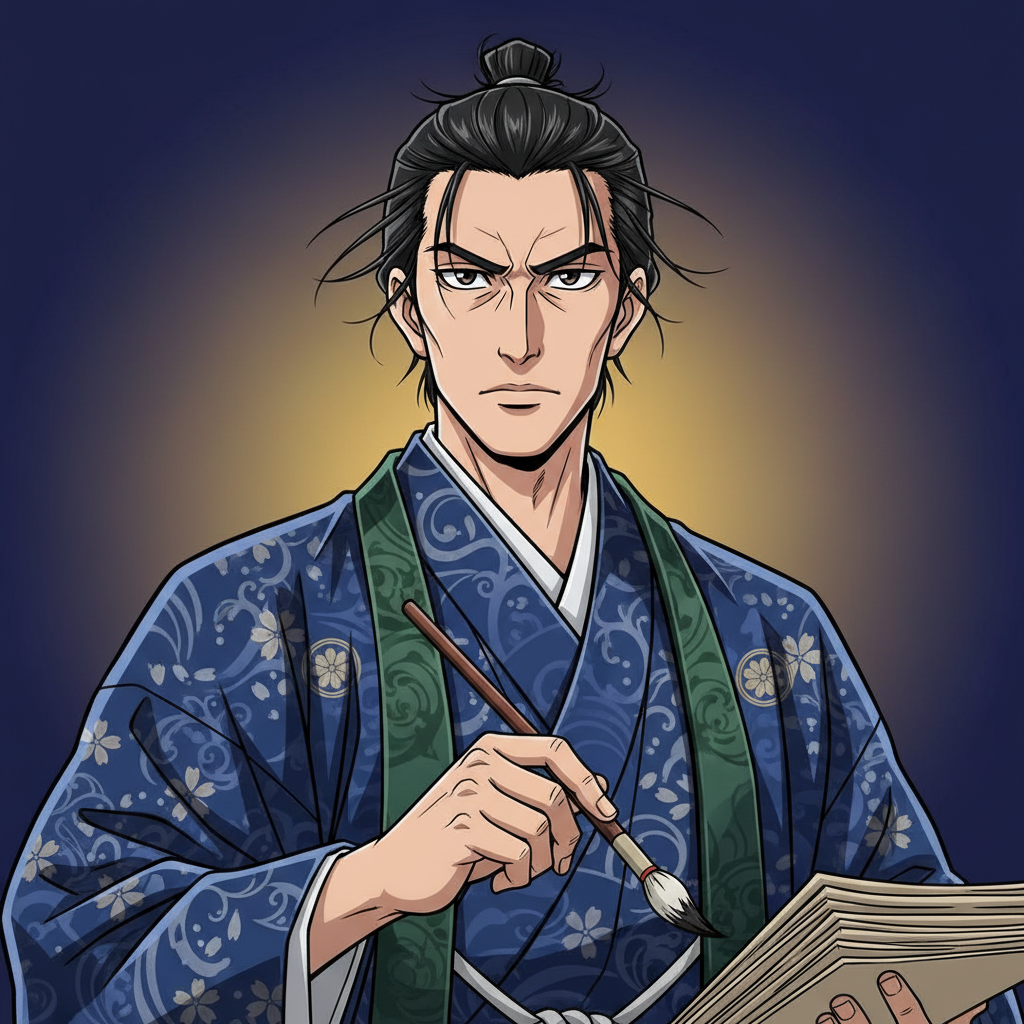
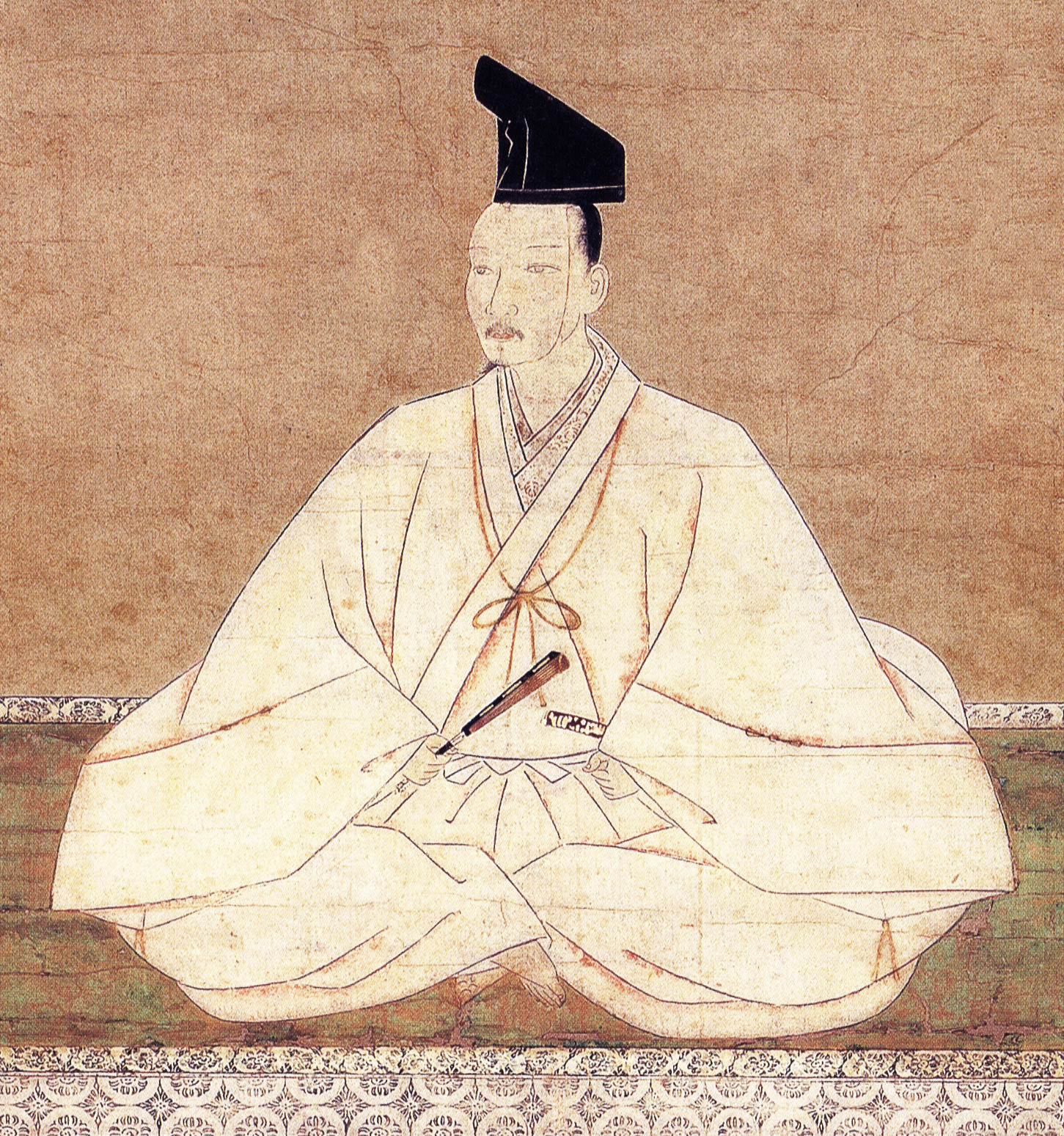
Eine Schamanenkönigin, die zerstrittene Stammesfürstentümer durch rituelle Autorität, Diplomatie und strategische Bindungen an das Reich Wei einte.
Gesprächseinstiege
Lebensweg
Himiko wurde wahrscheinlich in der späten Yayoi-Zeit geboren, als viele Stammesfürstentümer in Wa um Macht konkurrierten. Chinesische Berichte schildern später jahrzehntelange Konflikte, die den Boden für eine einigende religiöse Herrscherin bereiteten. Über ihr frühes Leben gibt es in japanischen Quellen keine gesicherten Nachrichten.
Als junge Frau galt sie als begabt in der Kommunikation mit Geistern und in der Weissagung, Praktiken, die für Führung in der Yayoi-Zeit zentral waren. Gemeinschaften verbanden Ernte, Krieg und Legitimität häufig mit ritueller Expertise. Dieser Ruf erleichterte später ihre Anerkennung als höchste Herrscherin.
Chinesische Chronisten berichteten später, das Volk von Wa habe jahrelang gekämpft und keinen König bestimmen können. Rivalisierende Anführer und befestigte Siedlungen stritten um Handelswege und Tribute. Die Krise schuf den Wunsch nach einer unparteiischen Gestalt, deren Autorität als heilig galt.
Nach dem Bericht im Wei zhi wählte Wa Himiko zur Königin, weil ihre schamanische Autorität die Gewalt zwischen Fraktionen beruhigen konnte. Ihre Inthronisierung war ein politischer Kompromiss zwischen konkurrierenden Eliten. Yamatai entwickelte sich zu einem föderationsähnlichen Zentrum, das weitergehende Gefolgschaft beanspruchte.
Berichte beschreiben, dass Himiko abgeschieden lebte, von zahlreichen Dienenden versorgt und durch bewachte Zugänge geschützt. Diese Trennung steigerte ihre Aura und untermauerte die Vorstellung, dass Macht durch rituelle Vermittlung fließe. Zugleich professionalisierte sie die Kontrolle des Hofes über Audienzen und Informationen.
Das Wei zhi vermerkt, dass ein jüngerer Bruder half, indem er die tägliche Regierung und die Kommunikation organisierte. Diese Ordnung verband geschlechtsspezifische rituelle Autorität mit pragmatischer Verwaltung in einer militarisierten Umgebung. So stabilisierte sie die Herrschaft und bewahrte zugleich ihre heilige Distanz.
Himiko soll zahlreiche Gemeinschaften unter den Einfluss Yamatais gebracht haben, durch Diplomatie, Geschenke und gemeinsame Rituale. Die Kontrolle über Austauschgüter und Prestigeobjekte stärkte die Loyalität lokaler Anführer. Diese Netzwerke machten Yamatai zu einem führenden Gemeinwesen in Wa.
Der Hof von Yamatai profitierte wahrscheinlich von Routen, die Japan mit der Koreanischen Halbinsel und chinesischen Verwaltungsgebieten verbanden. Prestigeobjekte und Metalltechnologien zirkulierten über diese Kanäle und prägten die Macht der Eliten. Solche Verbindungen bildeten den Hintergrund für die spätere formelle Diplomatie mit Wei.
Ihre Autorität beruhte auf dem öffentlichen Glauben, sie könne den Willen von Geistern und Ahnen deuten. Rituelle Handlungen koordinierten vermutlich landwirtschaftliche Zyklen, Entscheidungen über Konflikte und Bündniszeremonien. In einer zersplitterten Gesellschaft bot sakrale Führung einen einigenden Rahmen.
Im Jahr 238 entsandte Himiko Abgesandte über das Meer in die Wei-Hauptstadt Luoyang, um Anerkennung und Unterstützung zu erlangen. Die Mission entsprach dem Interesse Weis, während der Zeit der Drei Reiche die maritimen Grenzräume zu stabilisieren. Zugleich erhob sie Yamatai über rivalisierende Gemeinwesen in Wa.
Der Wei-Hof verlieh Himiko einen offiziellen Titel und stellte ein goldenes Siegel aus, womit sie in die Tributordnung eingebunden wurde. Diese Anerkennung stärkte ihre innere Legitimität und ihr diplomatisches Ansehen. Sie zeigte, dass Wei sie als wichtigste Vertreterin von Wa betrachtete.
Wei-Gesandte brachten Berichten zufolge Gegenstände wie Textilien und Zeremonialobjekte sowie schriftliche Erlasse. Diese Güter dienten als greifbarer Beleg ausländischer Anerkennung am Hof von Yamatai. Ihre Zurschaustellung stärkte vermutlich die Bündnispolitik gegenüber untergeordneten Anführern.
Weitere Austauschakte mit Wei hielten Yamatai in kontinentalen Aufzeichnungen präsent und sicherten Prestige-Ressourcen. Hofschreiber und Dolmetscher hätten Protokolle und Nachrichtenverkehr organisiert. Diese Abläufe institutionalisieren Diplomatie über persönliche Ausstrahlung hinaus.
Chinesische Quellen erwähnen Konflikte mit einem anderen Gemeinwesen in Wa, häufig mit Kuna identifiziert, was anhaltende regionale Rivalität nahelegt. Solche Spannungen prüften die Tragfähigkeit von Yamatais Koalition und die Autorität der Königin. Die diplomatische Legitimation durch Wei diente dabei wohl als politisches Druckmittel.
Nach Himikos Tod berichten Chroniken von Unordnung in Wa, was darauf hindeutet, dass ihre sakrale Führung schwer zu ersetzen war. Ein männlicher Nachfolger soll keine Akzeptanz gefunden haben, woraufhin Gewalt ausbrach. Die Krise zeigte, wie zentral ihre Person für die Herrschaft war.
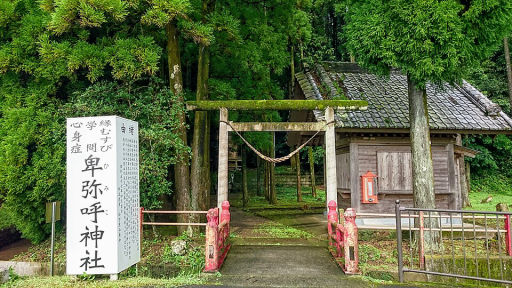
Das Wei zhi berichtet, dass ein großes Hügelgrab errichtet wurde und viele Gefolgsleute geopfert oder mit ihr bestattet worden seien. Solche Bestattungspraktiken spiegeln elitäre Selbstdarstellung und den Glauben, dass Autorität nach dem Tod fortwirke. Der genaue Ort des Grabes ist unter Forschenden bis heute umstritten.
Chinesische Berichte sagen, dass ein Mädchen, oft Iyo oder Toyo genannt, nach den Wirren folgte und das Gemeinwesen stabilisierte. Die Rückkehr zu einer Herrscherin deutet auf Kontinuität des sakralen Führungsmodells hin. Yamatais Netzwerk bestand fort, auch wenn seine spätere Entwicklung umstritten bleibt.