Kurzinfo
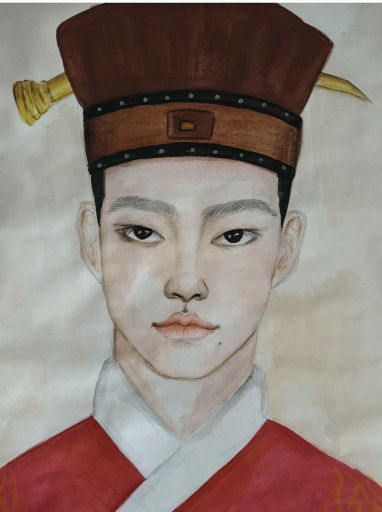
Ein reformorientierter Monarch von Joseon, der die konfuzianische Staatsführung stärkte, Institutionen ausbaute und durch gelehrte Staatskunst das Recht kodifizierte.
Gesprächseinstiege
Lebensweg
Als Yi Hyeol in der Joseon-Dynastie geboren, trat er in einen Hof ein, der von früheren Umstürzen und intensiven Debatten über konfuzianische Legitimität geprägt war. Seine Kindheit verlief innerhalb der palastlichen Unterrichtssysteme, die Prinzen in Ritualen, Klassikern und Regierungsführung ausbildeten.
Als junger Prinz studierte er die Gespräche, Mencius und Ritualhandbücher unter Hofgelehrten, die moralische Selbstkultivierung und administrative Disziplin betonten. Diese Lehren verbanden persönliche Tugend mit Staatskunst, eine Grundlage, die er später auf Politik und Recht anwandte.
Der Tod von König Yejong löste Manöver um die Nachfolge unter hohen Ministern und königlichen Verwandten aus, wobei die Königinwitwe Jeonghee eine entscheidende stabilisierende Rolle spielte. Die Episode lehrte den jungen Prinzen, wie Hofparteien und Regenten nationale Ergebnisse lenken konnten.
Er wurde noch minderjährig König und erbte einen zentralisierten Staat, der von früheren Herrschern aufgebaut worden war, jedoch anfällig für fraktionelle Rivalitäten blieb. Die Königinwitwe Jeonghee und hohe Beamte lenkten die frühe Regierung und hielten Zeremoniell und Verwaltung reibungslos am Laufen.
Während seiner Minderjährigkeit hielten Regenten und Spitzenminister den Betrieb der Sechs Ministerien, die Steuererhebung und die Berichterstattung aus den Provinzen aufrecht. Der junge König beobachtete den Umgang mit Eingaben und Audienzabläufe und lernte, wie Politik von lokalen Beamten bis zum Thron gelangte.
Die königlichen Lehrvorträge wurden intensiviert, wobei führende Gelehrtenbeamte vor dem König über Geschichte, Ethik und praktische Regierungsführung diskutierten. Diese Sitzungen verbanden Präzedenzfälle aus China und früheren Joseon-Regierungszeiten mit aktuellen Problemen in Besteuerung, Justiz und Ernennungen.
Mit zunehmender Reife prüfte er Eingaben immer häufiger persönlich und befragte Minister zu administrativen Details, was den Übergang von der Vorherrschaft der Regenten signalisierte. Sein Hof betonte leistungsbasierte Ernennungen und eine strengere Aufsicht über Provinzmagistrate.
Er unterstützte das Gwageo-Prüfungssystem, um Gelehrte zu rekrutieren, die in neokonfuzianischer Bildung verwurzelt waren, und festigte so den Gelehrtenbeamtenstaat. Durch strengere Anforderungen an Qualifikationen und Versetzungen wollte er Vetternwirtschaft eindämmen und die Leistung der lokalen Verwaltung verbessern.
Er stützte sich auf Aufsichtsorgane wie den Generalinspektor und die Zensurbehörde, um Missstände zu untersuchen und Politik offen zu kritisieren. Dieses System institutionalisierte moralische Kontrolle und erlaubte es Gelehrtenbeamten, selbst hohe Minister in formellen Berichten zu ermahnen.
Der Hof strebte klarere Rechtsverfahren und einheitliche Strafmaße an, damit Provinzgerichte keine Urteile je nach Region improvisierten. Durch Betonung von Präzedenzfällen und kodifizierten Regeln wollte er willkürliche Entscheidungen verringern und die Legitimität der Monarchie stärken.
Er förderte wissenschaftliche Arbeit, die Regierungsführung mit verlässlicher Überlieferung verband, und ermutigte Kompilationen und Lektüren zur Bildung der Beamten. Hofhistoriker und Akademiker nutzten diese Projekte, um Reformen zu begründen und künftige Verwalter in der Staatsideologie zu schulen.
Die Arbeiten mündeten in ein umfassendes Gesetzbuch, das Ämter, Riten, Steuern und Gerichtsverfahren standardisierte. Indem die Regierungsführung in schriftlichem Recht verankert wurde, stärkte die Monarchie die administrative Kontinuität über einzelne Minister hinaus.
Nach der Kodifikation verteilten die Zentralministerien Richtlinien und verlangten von Provinzbeamten, Register, Gerichtspraxis und Berichtsformate anzugleichen. Das verringerte regionale Unterschiede und machte Prüfungen wirksamer, wodurch die Verbindung zwischen der Hauptstadt und der Lokalverwaltung enger wurde.
Er unterstützte Hyanggyo und andere Bildungseinrichtungen, um lokale Eliten heranzubilden, die als Magistrate und Schreiber dienen konnten. Die Bildungspolitik festigte die neokonfuzianische Sozialordnung und erweiterte die ideologische Reichweite des Hofes bis in Dörfer und Kreissitze.
Berichte aus den Provinzen veranlassten den Hof, Haushaltsregister und landwirtschaftliche Bewertungen zu präzisieren, um Belastungen durch ungenaue Einträge zu begrenzen. Durch regelmäßige Prüfungen und verantwortliche Magistrate suchte er Stabilität für Bauern und Staatseinnahmen zugleich.
Statt sich nur auf Gewalt zu stützen, betonte der Hof Versorgungssysteme, Meldeketten und disziplinierte Ernennungen für Grenzkommandos. Die administrative Straffung unterstützte die Verteidigungsbereitschaft und verringerte Möglichkeiten für lokale Befehlshaber, ihre Autorität zu missbrauchen.
Als politische Debatten schärfer wurden, balancierte er konkurrierende Stimmen der Literaten aus, indem er formale Beratung und Aufsichtsbehörden nutzte, um Konflikte innerhalb geregelter Verfahren zu halten. Das schützte die institutionelle Staatsführung, zeigte jedoch auch, wie leicht Hofpolitik polarisieren konnte.
In seinen letzten Monaten hing die Hofarbeit zunehmend von hohen Ministern ab, da sich die Gesundheit des Königs verschlechterte. Der Fokus lag darauf, die Kontinuität des kodifizierten Systems zu bewahren und einen stabilen Übergang zum nächsten Herrscher in einem fraktionellen Umfeld zu sichern.
Er starb in Han-seong, nachdem er die Institutionen von Joseon um neokonfuzianisches Recht, Prüfungen und Aufsichtsbehörden gefestigt hatte. Sein Nachfolger Yeonsangun erbte starke administrative Werkzeuge, doch spätere Konflikte zeigten, wie fragil ein hofpolitischer Konsens werden konnte.