Quick Facts
A famed Han frontier general whose unmatched archery and relentless courage became legend, despite repeated bad fortune.
Conversation Starters
Life Journey
Li Guang was born in Longxi Commandery, a borderland region shaped by raids and constant mobilization. Growing up among cavalry and garrisons, he absorbed frontier tactics and the austere discipline expected of Han soldiers.
As a youth, he practiced mounted archery and the fast maneuvers needed against steppe raiders. Local commanders valued his calm aim and endurance, traits essential for patrols across the Hexi and Longxi corridors.
During Emperor Wen’s reign, northern incursions triggered repeated emergency musters along the border. Li Guang joined garrison forces and learned how supply lines, watchtowers, and rapid pursuit determined survival in open country.
When several kingdoms rose against the Han court, Li Guang served with imperial troops moving through contested commanderies. The campaign honed his experience with disciplined infantry-cavalry coordination and the politics of rewarding merit.
After proving reliable in hard campaigns, he received advancement and postings closer to the Xiongnu frontier. The assignment placed him amid fortified passes and mobile patrols where a commander’s judgment mattered more than ceremony.
Repeated clashes with raiding parties made his name known among soldiers and local officials. He was praised for sharing hardships with the ranks, riding with scouts, and relying on swift strikes rather than slow, defensive waiting.
With Emperor Wu ascending the throne, Han policy shifted toward more aggressive frontier operations. Li Guang’s experience became newly valuable as the court expanded cavalry forces and sought commanders who understood steppe warfare.
The collapse of plans to trap Xiongnu leaders near Mayi intensified open conflict across the north. Border commanders faced heavier raids and retaliation, and Li Guang operated in an atmosphere where success and blame came quickly.
Han forces launched coordinated expeditions aimed at pushing the Xiongnu back from frontier commanderies. Li Guang joined the operations, dealing with brutal weather, long distances, and the constant risk of separation from allied columns.
During the campaigns, Li Guang’s detachment was cut off and he was taken by Xiongnu forces. Accounts emphasize his composure in captivity and determination to return, reflecting both personal resolve and the peril of frontier command.
Han military law could be unforgiving, and setbacks often brought formal penalties even for respected commanders. Li Guang’s case became emblematic of merit colliding with strict accountability, shaping later views of his “ill fortune.”
Despite punishment, he was sent back to active postings because experienced leaders were scarce. He rebuilt units, coordinated scouts, and defended key routes as the Han court pursued a sustained strategy to weaken Xiongnu mobility.
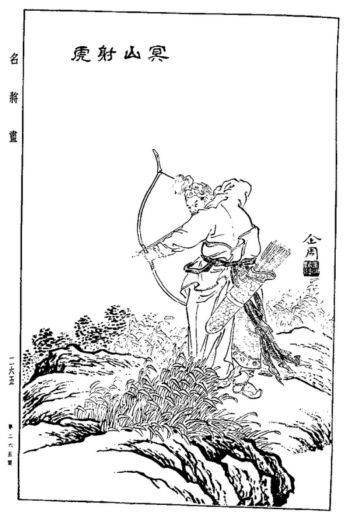
Stories circulated of astonishing shots, including feats like striking deep into targets and intimidating foes at range. While later embellished, these tales show how frontier armies cultivated morale through heroic exemplars and oral tradition.
As Wei Qing and the prodigy Huo Qubing won celebrated victories, court attention shifted toward new favorites. Li Guang remained respected in the ranks, yet his career illustrates how political winds and headline triumphs shaped promotion.
In the massive expedition into the northern deserts, he was given a challenging route and responsibilities that left little margin for error. Harsh terrain, navigation problems, and the pace of coordinated columns created severe pressure.
After the campaign’s confusion, Li Guang expected investigation under Han military regulations and felt his honor irreparably threatened. He took his own life, and later historians like Sima Qian framed the tragedy as a clash of valor and fate.