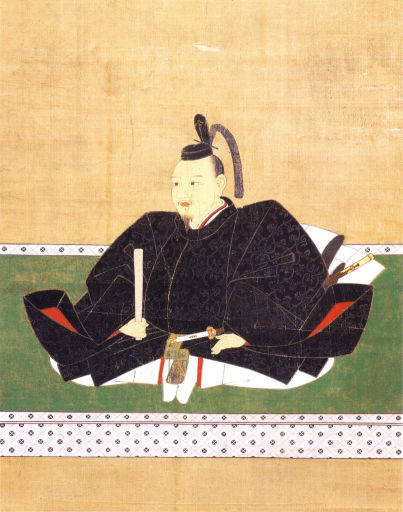
Kurzinfo
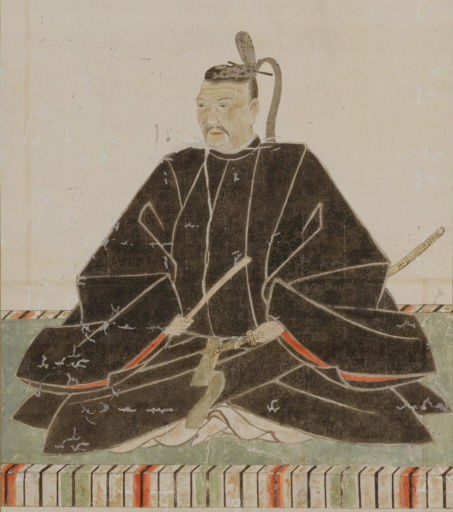
Ein reformorientierter Staatsmann der Tokugawa-Zeit, der Korruption bekämpfte, die Finanzen stabilisierte und die Verwaltung von Edo durch eine strenge Moralpolitik neu ausrichtete.
Gesprächseinstiege
Lebensweg
In Edo während des Tokugawa-Shogunats geboren, trat er in eine Welt ein, in der Abstammung Politik und Pflicht bestimmte. Als Sohn des Tayasu-Zweigs stand er dem Shogunhaus nahe und wurde auf höchste Verantwortung vorbereitet.
Er wurde in die Familie Matsudaira adoptiert, um die Nachfolge in Shirakawa zu sichern, einem strategisch wichtigen nördlichen Lehen. Dieser Schritt band ihn früh an die Domänenverwaltung und machte ihn mit den Lasten der Daimyō-Herrschaft vertraut.
Unter erfahrenen Gefolgsleuten studierte er neokonfuzianische Ethik, Recht und Finanzpraxis, die die Herrschaft des Kriegeradels prägten. Die Lehren betonten Genügsamkeit, Hierarchie und moralisches Vorbild als Mittel zur Stabilisierung der Gesellschaft.
Die Tenmei-Hungersnot verwüstete weite Teile Japans und verschärfte Debatten über Hilfe, Reismärkte und staatliche Verantwortung. Die Krise überzeugte ihn, dass moralische Disziplin und praktische Versorgung in der Politik zusammengehören.
Er verschärfte die Aufsicht über Steuereinzug und Ausgaben und verlangte von seinen Verwaltern detaillierte Rechtfertigungen. Durch den Abbau von Luxus und die Umleitung von Ressourcen wollte er nach Jahren von Knappheit und Verschuldung die Widerstandskraft des Lehens stärken.
Als die Kritik an der patronagegetriebenen Verwaltung Tanuma Okitsugus zunahm, galt er als moralische Alternative. Sein Ruf für Strenge und Ordnung machte ihn für Beamte attraktiv, die einen Neubeginn in der Regierung von Edo suchten.
Unter Shogun Tokugawa Ienari wurde er als führender Rōjū zum Motor eines umfassenden Programms zur Wiederherstellung shogunaler Autorität. Die Kansei-Reformen richteten sich gegen Korruption, Verschuldung und moralische Nachlässigkeit und setzten auf Sparsamkeit und soziale Ordnung.
Er beschränkte die Verschwendungssucht von Amtsträgern und regelte Ausgaben, um den finanziellen Aderlass der Regierung zu verlangsamen. Durch strengere Rechenschaftspflichten in den Behörden sollte die Regierung kompetent und moralisch standhaft erscheinen.
Er förderte Getreidereserven und strebte eine verlässlichere Verteilung an, um das Risiko städtischer Unruhen zu senken. Diese Maßnahmen folgten der Lehre aus der Tenmei-Hungersnot: Legitimität hing von Reis, Preisen und rechtzeitiger Hilfe ab.
Das Kansei-Edikt verschärfte die Kontrolle über die Gelehrsamkeit und erhob orthodoxe neokonfuzianische Lehren in offiziellen Einrichtungen zum Maßstab. Es sollte Lernen und Regierung ausrichten, schränkte jedoch durch Zensurdruck auch die geistige Vielfalt ein.
Er unterstützte härtere Maßnahmen gegen als Unordnung empfundene Praktiken, von Luxus bis zu illegaler Unterhaltung, um soziale Disziplin zu demonstrieren. Diese Politik sollte die vom Samurai-Stand geführte Hierarchie in einer Zeit wachsenden Kaufmannsreichtums schützen.
Kaufleute, Vergnügungsviertel-Interessen und etablierte Amtsträger lehnten Sparpolitik und Moralaufsicht ab. Hofparteien um Tokugawa Ienari betrachteten ihn zunehmend als hinderlich, was seine Fähigkeit schwächte, die Reformen konsequent durchzusetzen.
Er verließ die Führung der Rōjū und beendete damit seine direkte Kontrolle über die Politik des Bakufu während Ienaris Herrschaft. Zurück in Shirakawa setzte er weiterhin auf Sparsamkeit und Verwaltung und bewahrte sein Profil als Reformer außerhalb der Machtzentrale Edo.
In einer Art Halbruhestand verfasste er nachdenkliche Schriften über Regierungsführung, Ethik und historische Vorbilder, gestützt auf seine Erfahrungen in Edo. Seine Texte verbanden konfuzianische Moralideale mit konkreter Verwaltungspraxis und prägten spätere Reformdebatten.
Auch ohne Spitzenamt blieb er aufgrund seiner Abstammung und seines Reformrufs eine gefragte Stimme. Seine Ratschläge zirkulierten unter Daimyō und Bakufu-Beamten, die mit Schulden, sozialem Wandel und bürokratischer Trägheit rangen.
Während wirtschaftlicher Druck und ländliche Not anhielten, betonte er, dass moralisches Vorbild und sorgfältige Buchführung untrennbar seien. Seine Haltung stand im Gegensatz zu nachgiebigeren Regierungsstilen, die Luxus und kommerziellen Einfluss eher duldeten.
Er starb als Architekt der Kansei-Reformen und als Symbol einer strengen, prinzipientreuen Verwaltung in Erinnerung. Spätere Beobachter bewerteten sein Erbe als zugleich stabilisierend und einschränkend, was die Spannungen innerhalb der Tokugawa-Herrschaft widerspiegelt.