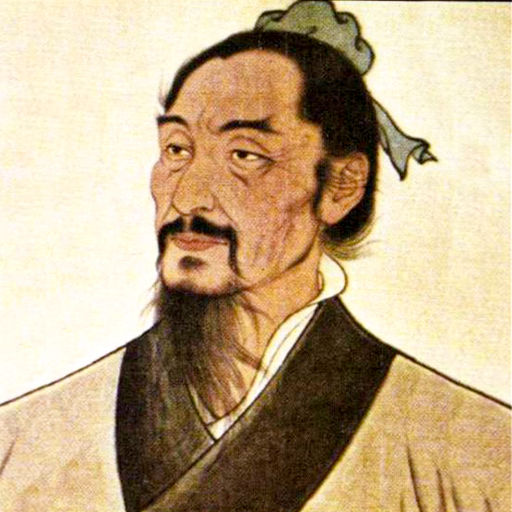
Quick Facts
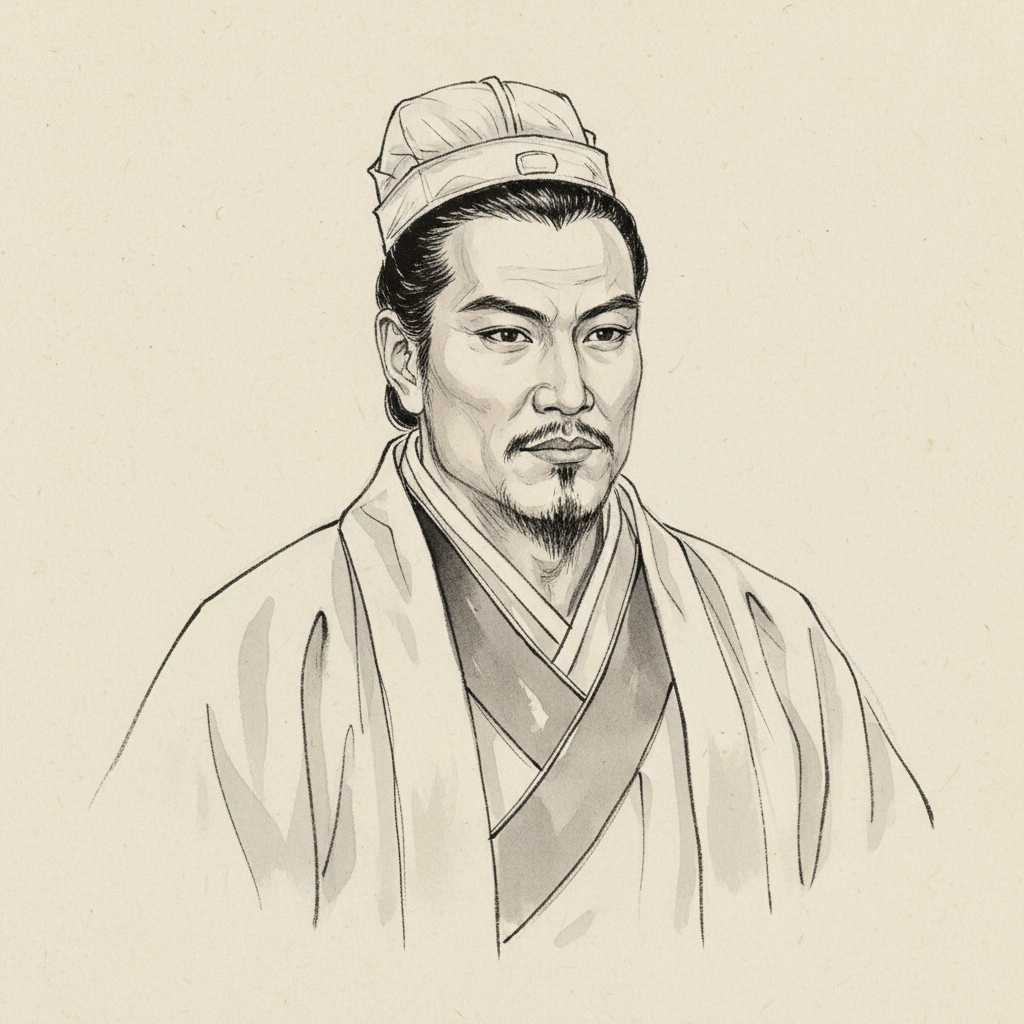
A rigorous advocate of universal love, anti-war ethics, and practical engineering who challenged aristocratic rituals in ancient China.
Conversation Starters
Life Journey
Mozi was born as Zhou authority weakened and rival states competed for land and prestige. The era’s constant warfare and court extravagance shaped his lifelong focus on peace, frugality, and practical benefit to common people.
As a youth, he gained a reputation for hands-on skills associated with artisans and builders. This technical background later informed Mohist defensive engineering, emphasizing measurable results over noble lineage and empty display.
Mozi is traditionally said to have studied Ru teachings centered on ritual propriety and music at elite courts. He grew critical of costly ceremonies that consumed labor and grain while ordinary families faced insecurity and war taxes.
He began articulating an ethic aimed at relieving suffering rather than refining aristocratic taste. Early Mohist ideas stressed impartial concern, rewarding merit, and policies that increased wealth, population, and social order in the states.
Mozi gathered followers who lived austerely and trained in debate, measurement, and practical service. The group functioned like a disciplined brotherhood, traveling between courts to argue policy and to aid weaker states under threat.
He taught that partiality—favoring only one’s family or state—fuels conflict and resentment. By extending care outward and judging actions by public benefit, Mozi claimed rulers could reduce violence and stabilize alliances.
Mozi publicly condemned offensive campaigns as theft on a massive scale, costing farmers their lives and harvests. He urged rulers to defend borders and invest in livelihood, challenging the prestige politics of conquest-driven nobles.
Within his school, he promoted a method of “three tests” for proposals: historical precedent, observable evidence, and practical results for the people. This approach linked moral reasoning to verification and became a hallmark of Mohist argumentation.
Mozi’s followers became known for building counter-siege devices, fortifications, and disciplined defensive tactics. Their expertise offered small states a way to resist powerful neighbors, turning ethical opposition to war into concrete protection.
Later tradition describes Mozi traveling urgently to confront plans by the state of Chu to assault Song. He argued before Chu’s court and demonstrated defensive techniques, persuading leaders that aggression would be costly and unjust.
He advised rulers to promote capable officials regardless of birth, tightening administration through rewards and punishments. By elevating competence over clan privilege, Mozi sought to reduce corruption and make governance serve common welfare.
Mozi attacked expensive burials and long mourning periods as harmful to families and state finances. He urged simpler rites that respected the dead without draining food stores or halting work needed for survival in wartime economies.
He argued that elaborate musical performances and palace splendor diverted labor from farming and defense. His critique targeted aristocratic display culture, insisting that rulers should prioritize granaries, tools, and relief for the poor.
Teachings attributed to Mozi and his disciples were gathered into chapters that later formed the text known as the Mozi. The compilation preserved ethical essays, political advice, and technical material alongside rigorous argumentation styles.
In his final decades, Mozi continued moving among courts, offering counsel rooted in benefit and restraint. His disciples maintained strict discipline and service-oriented practice, sustaining Mohism as an influential rival to Confucian ideals.
After Mozi’s mature period, later Mohists elaborated analytic discussions on definitions, inference, and standards of knowledge. These materials, later called the Mohist Canon, reflected the school’s blend of ethical aims with careful reasoning.
Mozi died in an age when philosophical schools competed to advise rulers across China. His followers carried forward doctrines of impartial care, frugality, and defensive skill, leaving a durable counterpoint to aristocratic ritualism.