Kurzinfo
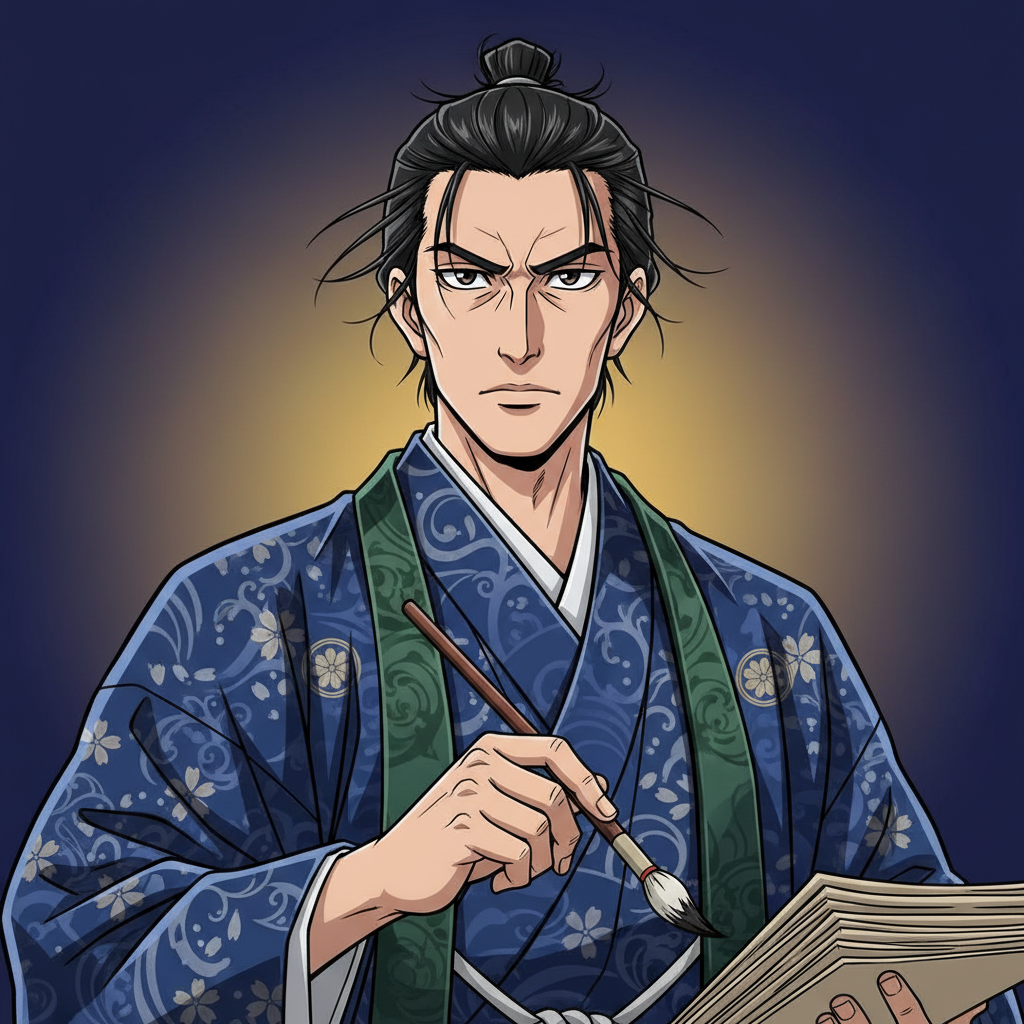
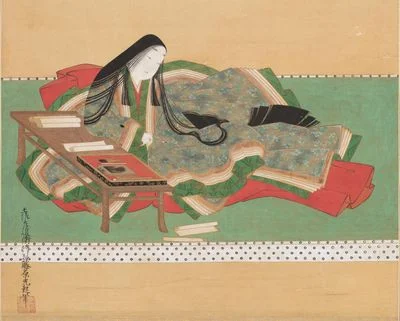
Die Autorin des ersten Romans der Weltliteratur 'Die Geschichte vom Prinzen Genji', der als Meisterwerk der japanischen Literatur gilt.
Gesprächseinstiege
Lebensweg
Geboren in eine Nebenlinie der maechtigen Fujiwara-Familie. Ihr Vater war ein Gelehrter und Provinzgouverneur, der ihr eine fuer Frauen ungewoehnliche klassische Bildung ermoeglichte.
Lernte Chinesisch und klassische Literatur, indem sie den Unterricht ihres Bruders beobachtete. Ihr Vater bemerkte ihr aussergewoehnliches Talent und erlaubte ihr, weiterzustudieren.
Entwickelte ihre Faehigkeiten in waka-Poesie und klassischer chinesischer Literatur. Begann, bei Hofe fuer ihr literarisches Talent bekannt zu werden.
Heiratete Fujiwara no Nobutaka, einen aelteren Cousin und Provinzbeamten. Trotz des Altersunterschieds entwickelten sie eine liebevolle Beziehung.
Brachte ihre Tochter Kenshi zur Welt, die spaeter selbst eine anerkannte Dichterin wurde. Die Mutterschaft vertiefte ihr Verstaendnis fuer menschliche Emotionen.
Ihr Mann starb nach nur drei Jahren Ehe, vermutlich an einer Epidemie. Diese Tragoedie stuerzte sie in tiefe Trauer und Kontemplation.
Begann mit dem Schreiben der Geschichte vom Prinzen Genji waehrend ihrer Trauerzeit. Die Arbeit verwandelte ihren Kummer in literarische Kreativitaet.
Trat als Hofdame in den Dienst der Kaiserin Shoshi, Gemahlin von Kaiser Ichijo. Diese Position gab ihr beispiellosen Zugang zum Hofleben.
Die fruehen Kapitel des Genji Monogatari wurden am Hof verbreitet und fanden begeisterte Aufnahme. Der Roman wurde unter Aristokraten zur Sensation.
Begann ihr Tagebuch (Murasaki Shikibu Nikki), das scharfe Beobachtungen des Hoflebens und ihrer literarischen Zeitgenossen enthaelt.
Stellte ihre persoenliche Gedichtsammlung zusammen. Ihre Waka wurden fuer ihre emotionale Tiefe und technische Raffinesse gefeiert.
Kaiser Ichijo selbst las und lobte die Geschichte vom Prinzen Genji. Er bemerkte, dass die Autorin historische Aufzeichnungen gruendlich studiert haben muesse.
Vollendete das Genji Monogatari mit 54 Kapiteln. Das Werk umspannt drei Generationen und praesentiert ein unvergleichliches Portraet des Heian-Hoflebens.
Zog sich nach dem Tod von Kaiser Ichijo allmaehlich vom aktiven Hofleben zurueck. Fuhr fort, zu schreiben und juengere Hofdamen zu unterrichten.
Starb unter unklaren Umstaenden, moeglicherweise waehrend einer Epidemie. Ihr literarisches Erbe lebt als einer der groessten Beitraege zur Weltliteratur weiter.